

About us
READ MORE ↓
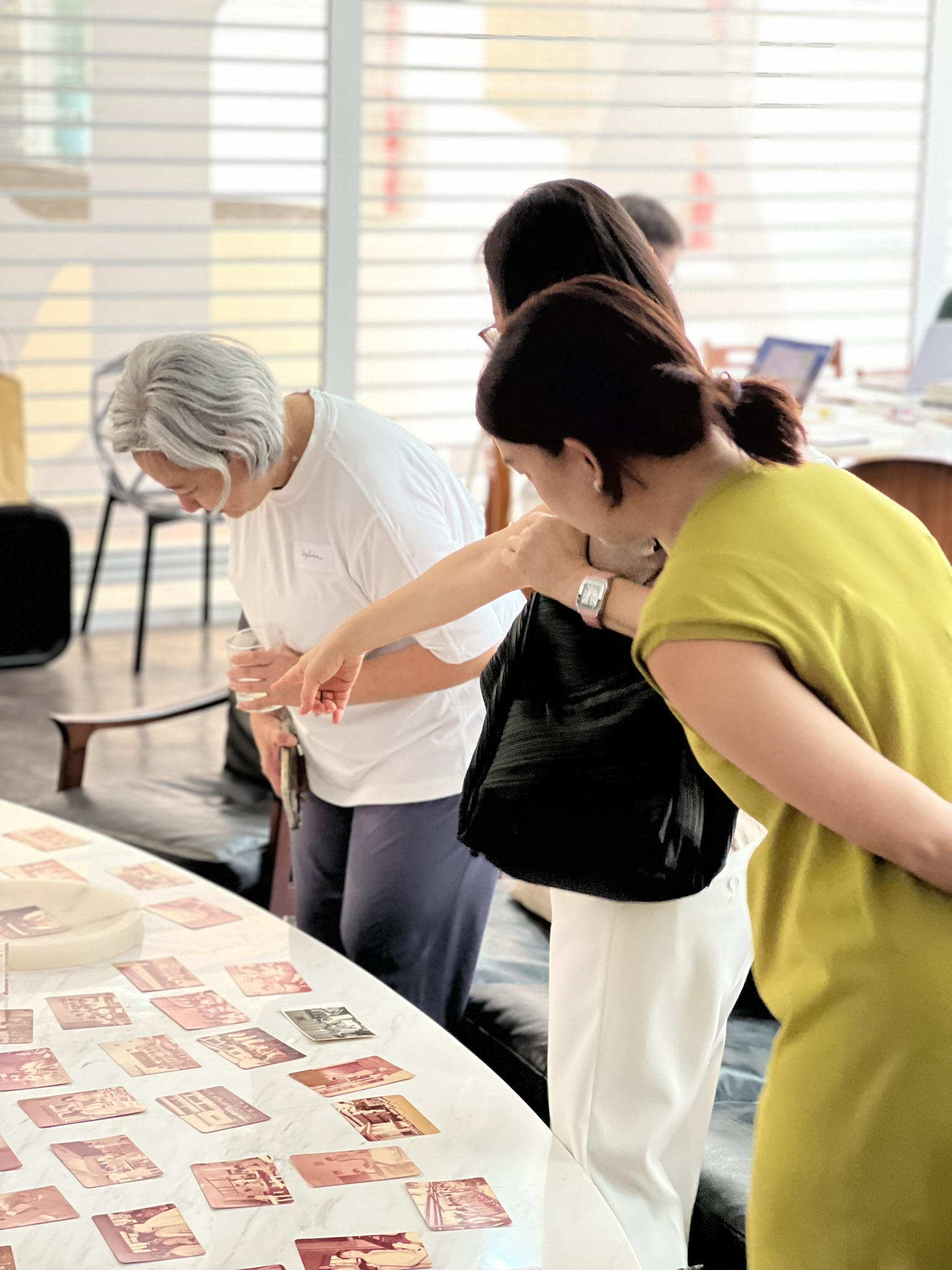
Centrally, the Social Design Lab seeks to investigate how social design can turn the raw material of social life into accessible, actionable design frameworks without erasing complexity. The Lab will spearhead projects focusing on prototyping solutions across different scales that are ethical, inclusive, sustainable and empowering.
Works from SoDL will touch upon four domains:
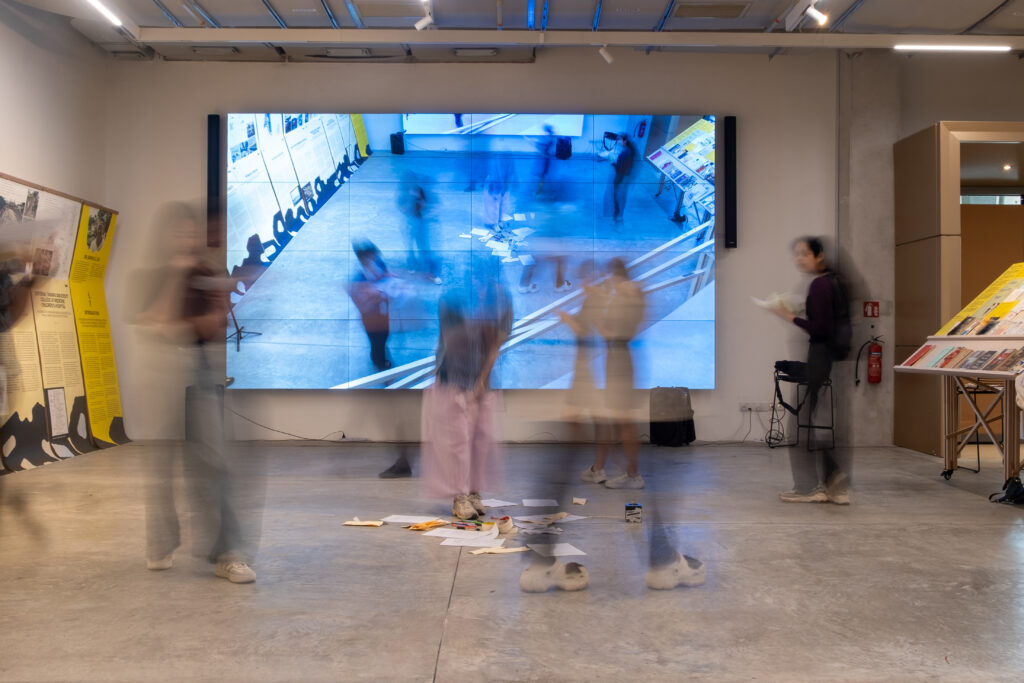
Students engaging in “Unscripted mask(ing) tape”, a collective spatial performance by BarofSpace that explores embodiment, voice, and improvisation as tools for relational inquiry and inclusive co-creation.
The Social Design Lab seeks to advance design as a critical and participatory mode of inquiry that investigates how social systems, relationships, and spatial practices shape collective life. To generate knowledge, methods, and interventions that foster more equitable futures.
It aims to:
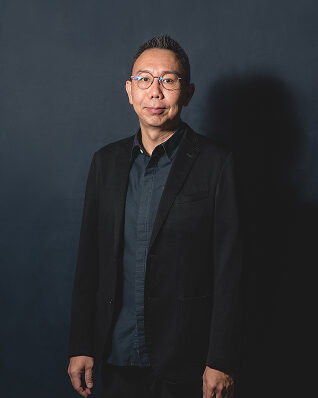
Thomas Kong is Associate Professor of Architecture at the National University of Singapore. He received his architecture degree with honours from the National University of Singapore, and a Master of Architecture, with distinction from Cranbrook Academy of Art, USA. He is a licensed architect in Singapore and an associate member of the American Institute of Architects.
He is a licensed architect in Singapore and an associate member of the American Institute of Architects. He has over 20 years of experience teaching architecture and interior architecture in Singapore, Canada, and Chicago and was recently the chair of the professional Master of Architecture (With an Emphasis on Interior Architecture) programme at the School of the Art Institute of Chicago (SAIC). From 2020 to 2022, he was the principal investigator for a research project that introduced the concept and practice of social curating and archiving in transforming the personal possessions of Whampoa elders into a public legacy. Singapore’s National Heritage Board funded both projects.
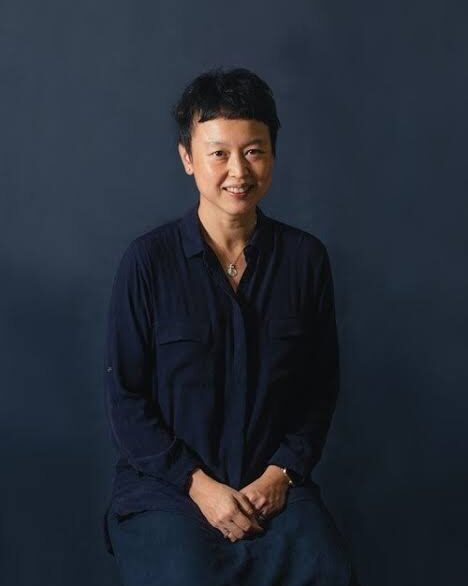
Lilian Chee (PhD, UCL) is Dean’s Chair Associate Professor of Architectural Design and Visual Cultures at the National University of Singapore. A writer, curator, and award-winning educator, creative practitioner, and researcher, she is recognised internationally for advancing architectural knowledge through feminist, creative, and socially engaged frameworks.
Her career integrates research excellence, acclaimed creative practice, impactful design mentorship, and academic leadership. She serves as Assistant Dean (Outreach) at the College of Design and Engineering, Founding Co-Director of the Social Design Lab, and Leader of the Research by Design Cluster. Her research addresses domesticity, affect, gender, and visual culture, with emphasis on social and housing equity, politics of everyday life, and care in the built environment. Notable works include the award-winning film 03-FLATS (2014), Objects for Thriving (2022), and At Home With Work (2025), as well as the monograph Architecture and Affect (Routledge, 2023). She led the Social Science Research Council funded project Foundations for Home-based Work (2021-24). A visiting academic to Berlin International University of Applied Sciences under the German DAAD programme (Spring 2026), she has also held fellowships at FCL-ETH Centre, Heyman Centre, Columbia University, and the Bartlett, UCL.
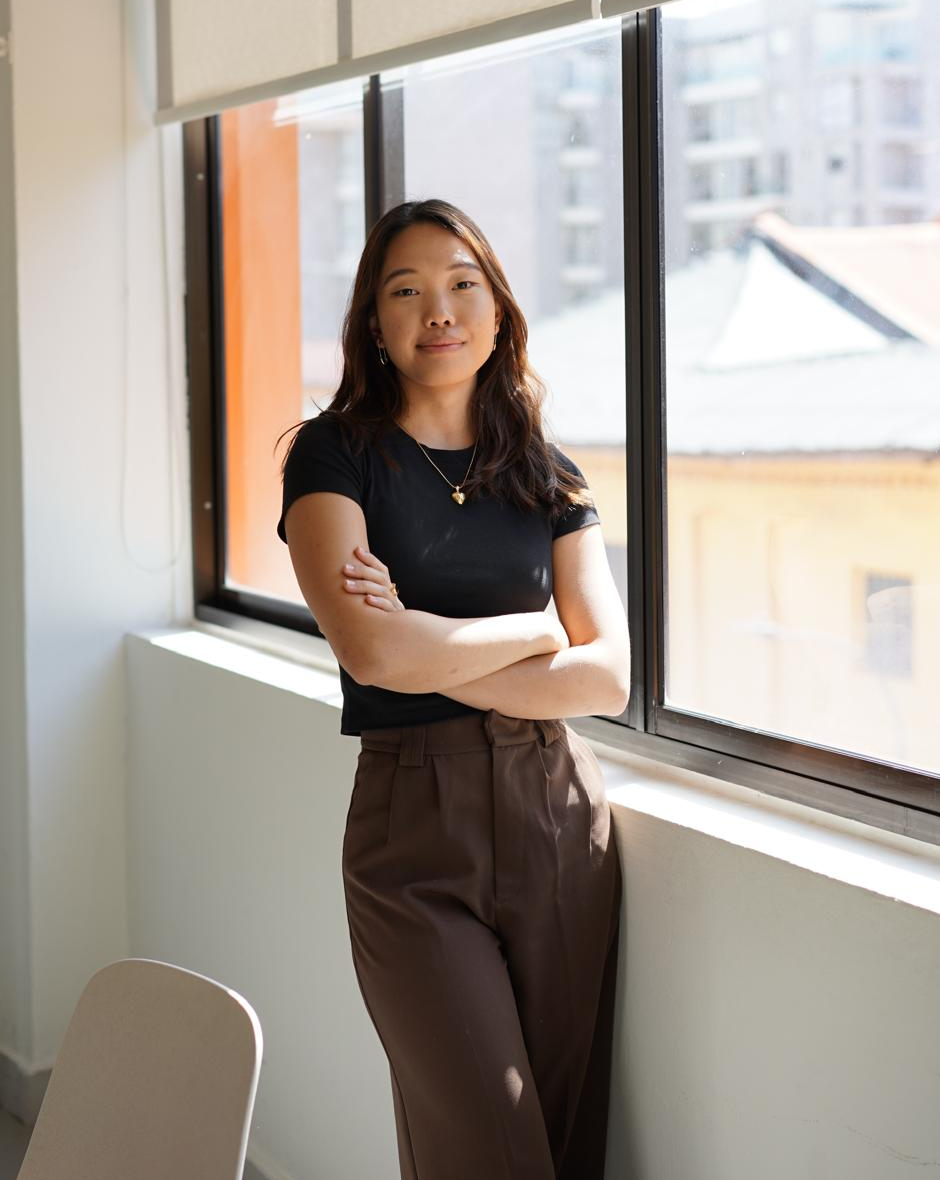
Rachel Fong is a Research Assistant for the Social Design Lab at the National University of Singapore (Aug 2025 to Mar 2026). She received her Bachelor of Arts with Honours (Highest Distinction) from Yale-NUS College, where she majored in Urban Studies and minored in English Literature.
Her bachelor’s thesis critically examined how notions of historical, social, and economic value impact conservation practices surrounding modernist architecture in Singapore, reflecting her strong interest in sustainable design, heritage, and urban development strategies. She excels in translating complex ideas into engaging content, and has led marketing, communications, and event initiatives for organizations including Urban Kakis and Archifest 2023 Singapore, where she served as Curatorial Assistant. Passionate about community, conservation, and design, Rachel blends creativity with rigorous research to shape more inclusive and sustainable cities.
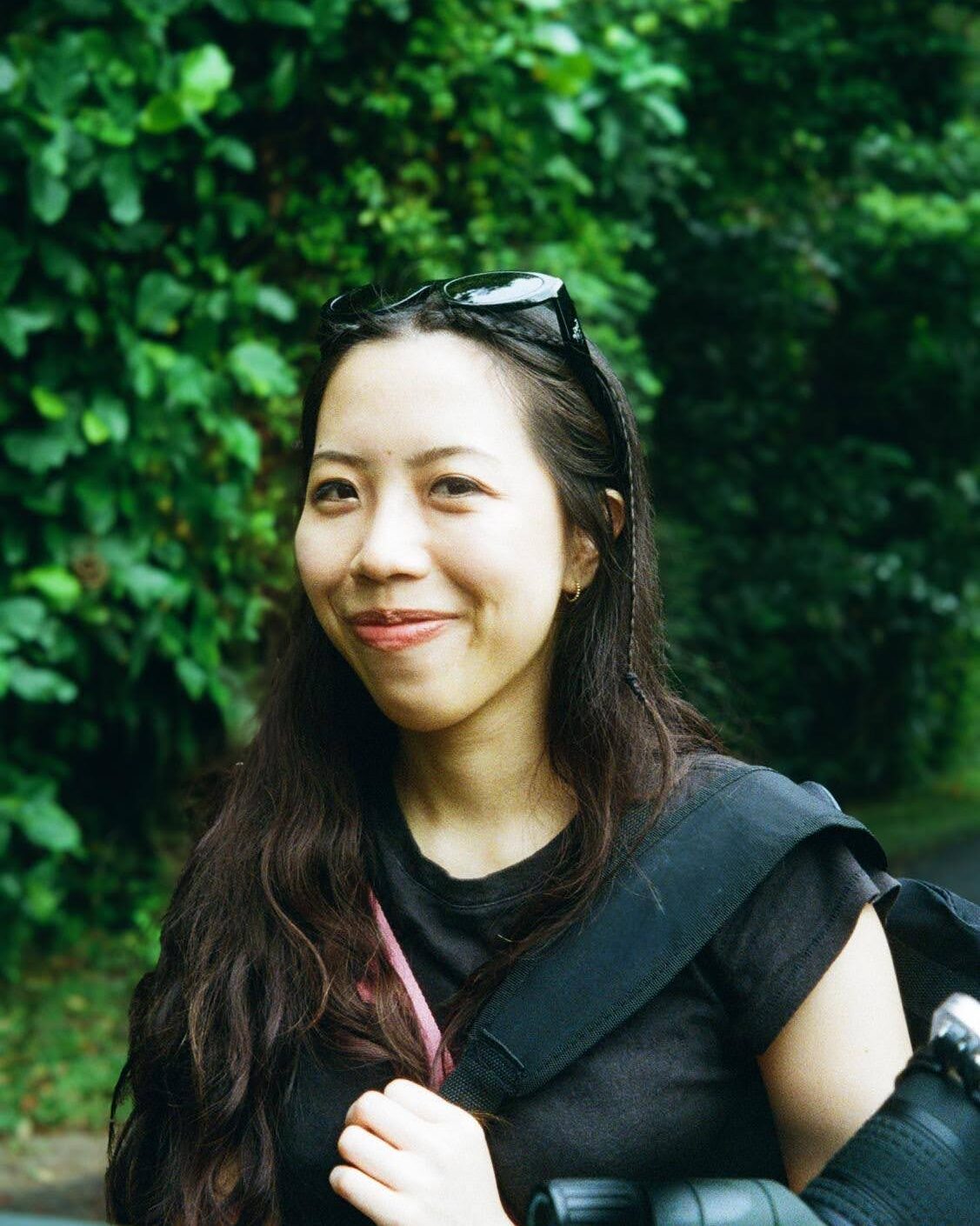
Joelle Hung was a Research Assistant at the Social Design Lab at the National University of Singapore (Jul 2025 to Mar 2026). She holds an MSc in Urban Studies from University College London and a BA in Geography from King’s College London.
She is an urban and cultural geographer with an interest in spatial justice, feminist and queer geographies, material culture, and architectural history. She has worked across theatre, film, and visual arts, assisting with the development of participatory programmes. She is interested in building spaces to think relationally, collectively, and expansively, to imagine the city otherwise.