ASSEMBLY :
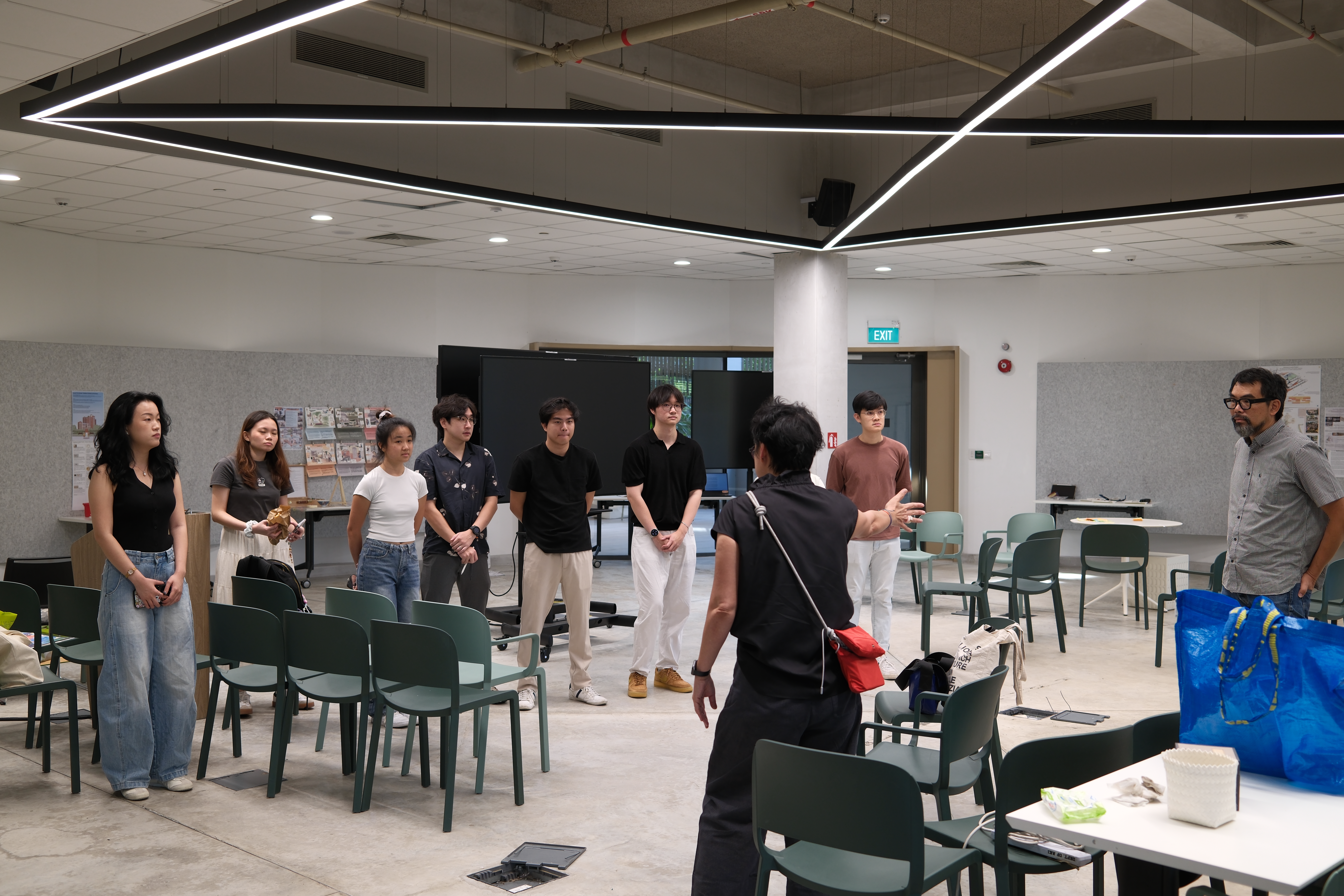
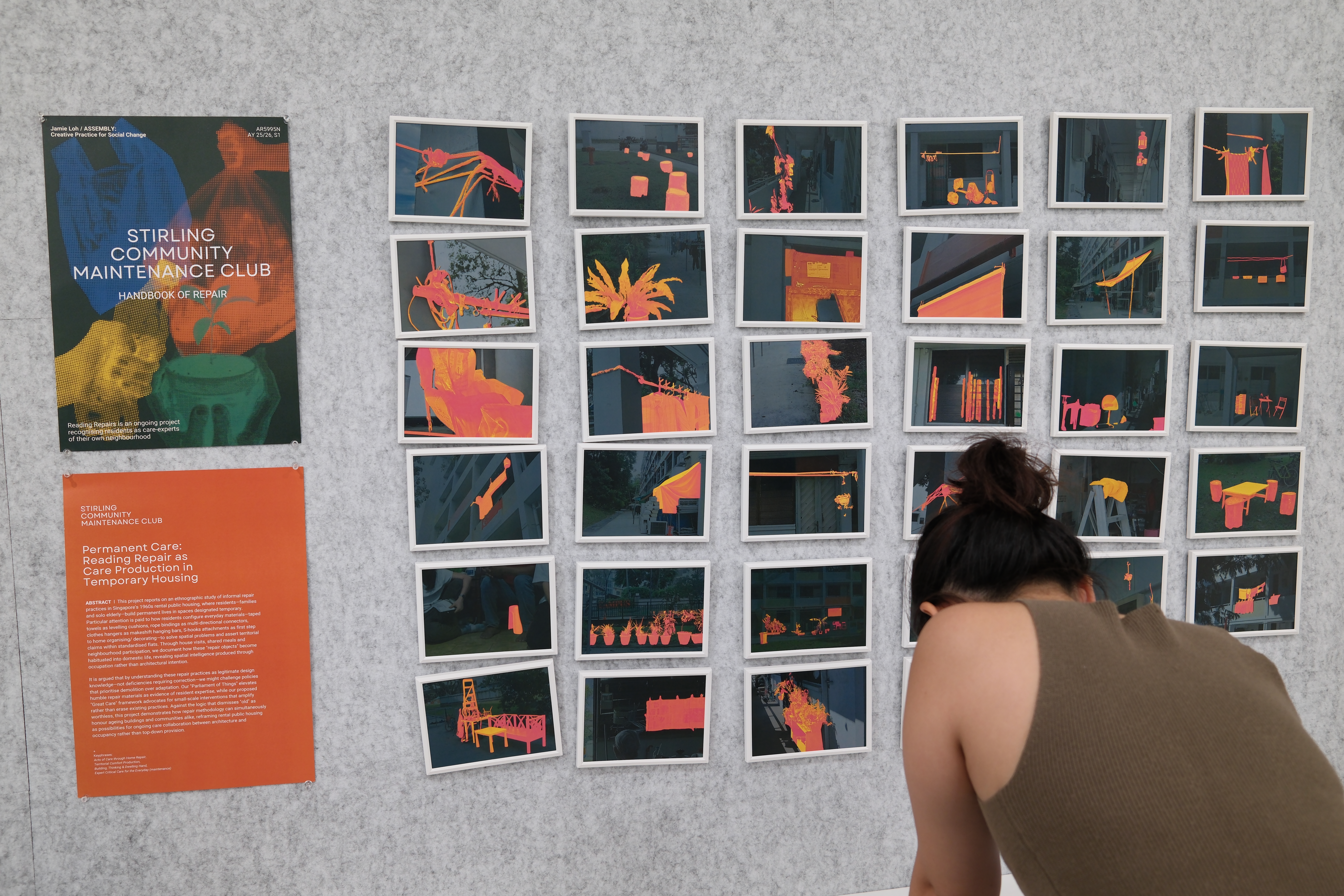
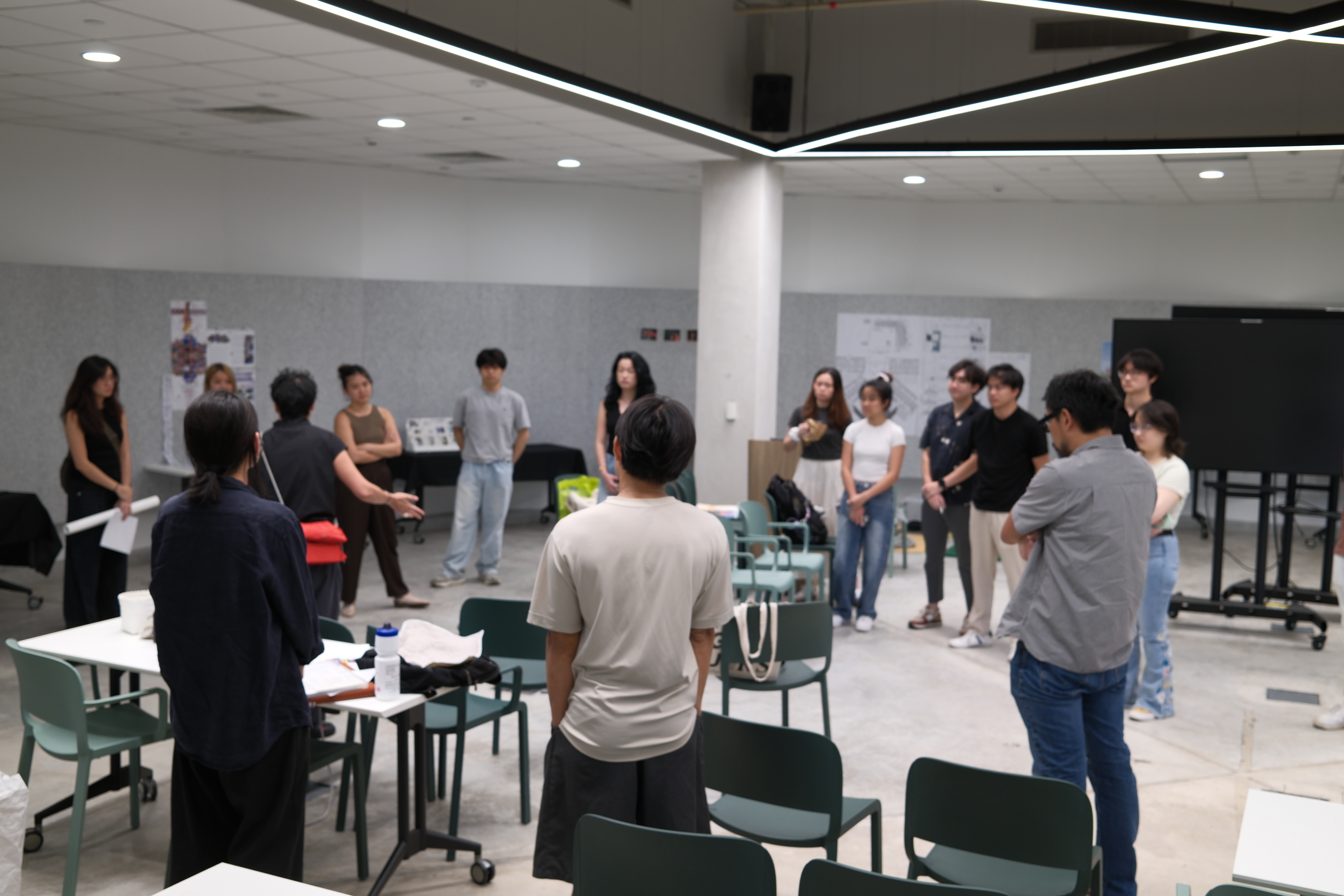
This course looks at creative practice ethics for social change in architecture. The “social” is a dynamic field encompassing society, collectives, and individual agents within their milieux and environments. Students will examine how architecture can respond through actions of care, repair, activism, occupation, and relationality. Using readings, discussions, and creative practice case studies, we discuss how designers navigate ethics, community, and power. The course culminates in the making of a personal Design Toolkit—an experimental guide, zine, or prototype—that engages creative practice research, analysing and testing how ideas and values involving socio-ecological engagements might be expressed visually.

While the course shares a focus on social design and community engagement, its distinct emphasis is on design as inquiry—a mode of methodological and disciplinary reflection grounded in architectural thinking. Rather than positioning design as a tool to solve social problems, students are invited to critically rethink what it means to design socially and how such ethics manifest in spatial and visual terms. Through this process, the course supports students in developing situated, practice-based approaches that connect their design investigations to broader socio-political conditions. This course constitutes part of the Department of Architecture’s Social Design Lab educational mandate.
Learning Outcomes
- Understand key ethical concepts and debates in social design and creative practice research.
- Critically analyse spatial and architectural responses to social concerns such as care, repair, activism, occupation, and relationality.
- Develop a personal politics on creative practice ethics through engagement with literature, case studies, and peer discussion.
- Translate social and ethical concepts into visual and spatial strategies using tools such as drawing, film, writing, and zine-making.
- Construct a speculative design toolkit that reflects specific design values and connects to the students’ architectural design work.
Excerpts from Reading List
- Dorland, AnneMarie. ‘“It’s Just Watching. But It’s Billable”: The Challenges and Possibilities of Design Ethnography in Practice’. EPIC (blog), 29 November 2016. https://www.epicpeople.org/design-ethnography-practice/.
- Latour, Bruno. “Introduction: How to Resume the Task of Tracing Associations*.” In Reassembling the Social: An Introduction to Actor-Network-Theory, 1–17. Oxford: Oxford University Press, 2005. Online edition, Oxford Academic, 31 October 2023. https://doi.org/10.1093/oso/9780199256044.003.0001.
- Chee, Lilian. “03-FLATS: Architecture Filmmaking, Disciplinary Questions.” In Architecture and Affect: Precarious Spaces. Routledge Research in Architecture, 171–203. London: Routledge, 2023.
- Pink, Sarah, and Jennifer Morgan. 2013. “Short-Term Ethnography: Intense Routes to Knowing.” Symbolic Interaction 36 (3): 351–361. https://doi.org/10.1002/symb.66.
- Joan C. Tronto. ‘An Ethic of Care’. Ethics and Aging: Bringing the Issues Home 22, no. 3 (1998): 15–20.
- Fitz, Angelika, and Elke Krasny. ‘Critical Care. Architecture and Urbanism for a Broken Planet’. In Critical Care: Architecture and Urbanism for a Broken Planet. 10-22: The MIT Press, 2019. https://doi.org/10.7551/mitpress/12273.001.0001.
- Karssenberg, Hans, and Jeroen Laven. ‘The City at Eye Level’. In The City at Eye Level: Lessons for Street Plinths, 14–25. Delft, the Netherlands: Eburon, 2016.
- Fisher, Thomas. ‘Public Interest Architecture: A Needed and Inevitable Change’. In Expanding Architecture: Design as Activism, 9–33. New York: Metropolis Books, 2008.