Social by Design
Kester Wong
The Social by Design Residency is a 12 week artist residency programme seeking to foster community-engaged design projects that address social, cultural, or environmental concerns. The Residency is intended as a space to support interdisciplinary experimentation and critical inquiry into ethical, inclusive, participatory, and sustainable design methodologies, and works produced from this programme should generate frameworks, toolkits, or prototypes that can be shared, adapted, and scaled beyond the residency.
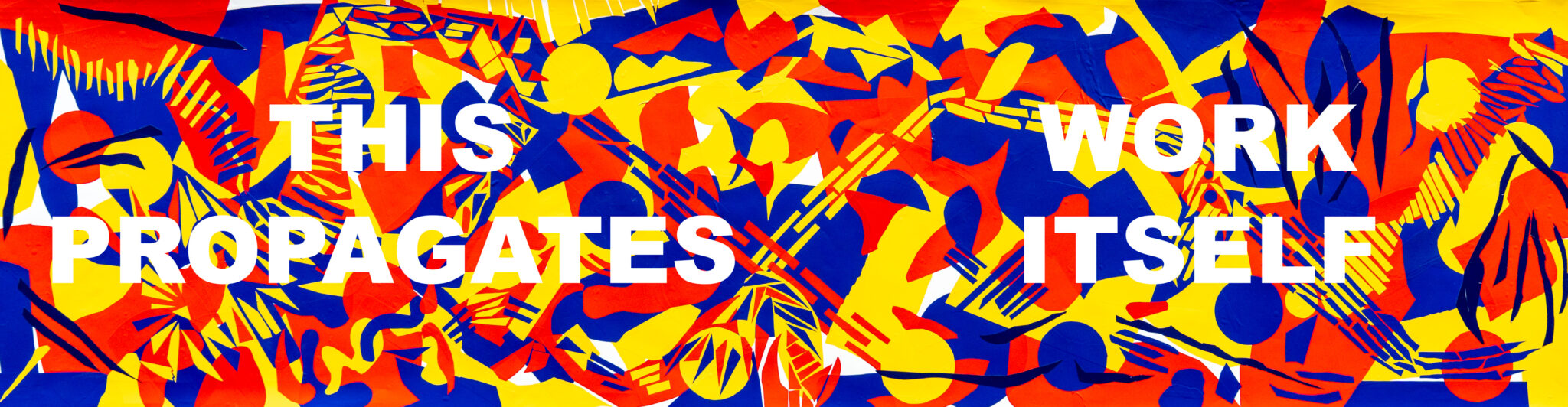
The Everyday Vinyl: This Work Propagates Itself by DASSAD, Dave Lim
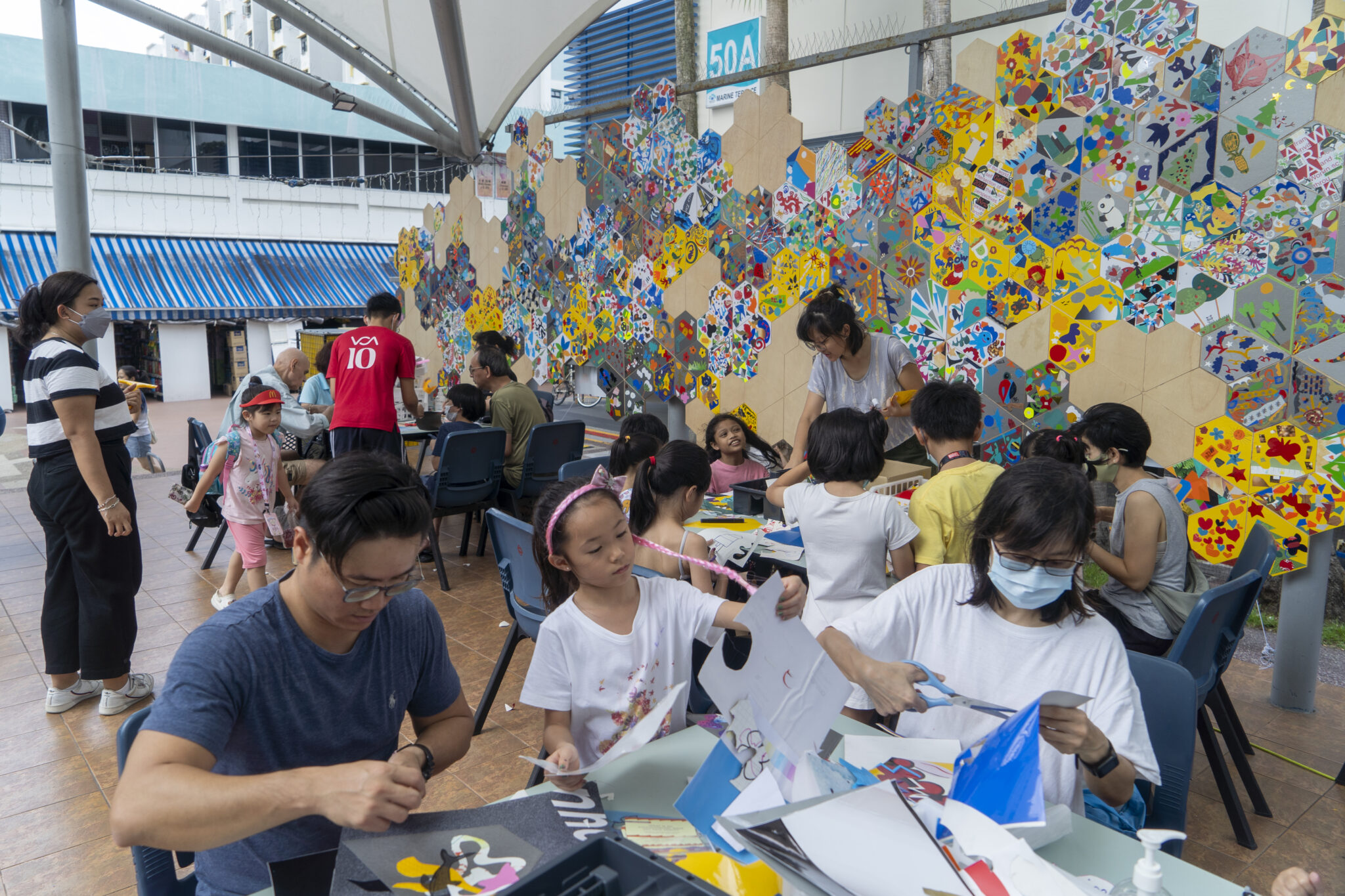
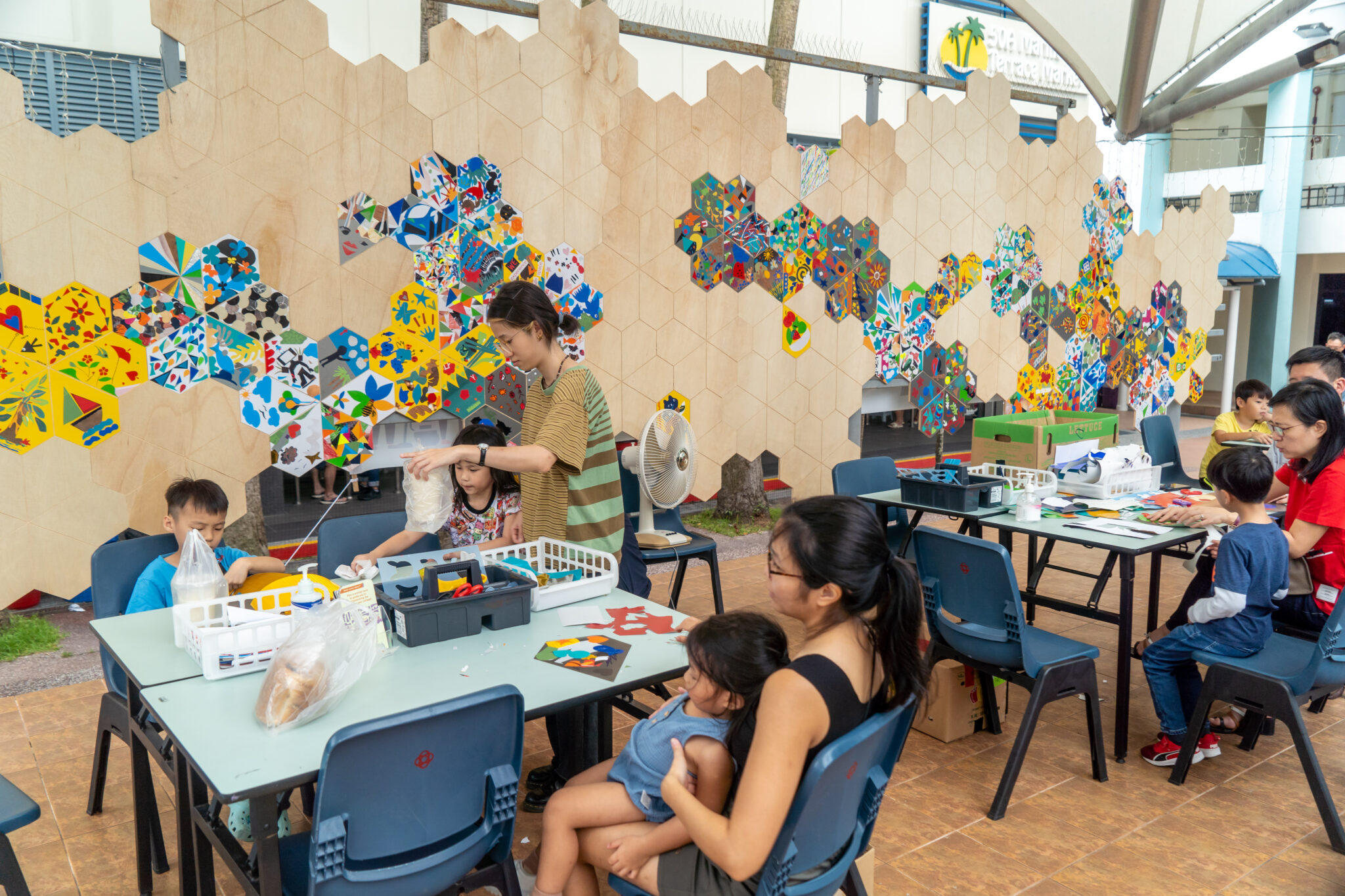
The Everyday Vinyl investigates how co-creative artistic production fosters community building, belonging, and resilience through the act of participation. Lim explores community co-creation firstly in the form of a collective mural, and secondly in the production of a short film. The Everyday Vinyl enables participants to get hands-on experience in community collaging via a series of workshops, to produce a co-created mural made of repurposed vinyl sticker discards. This work draws from previous iterations carried out during Singapore Art Week (2023 & 2024), and at NTU Gallery (2023).
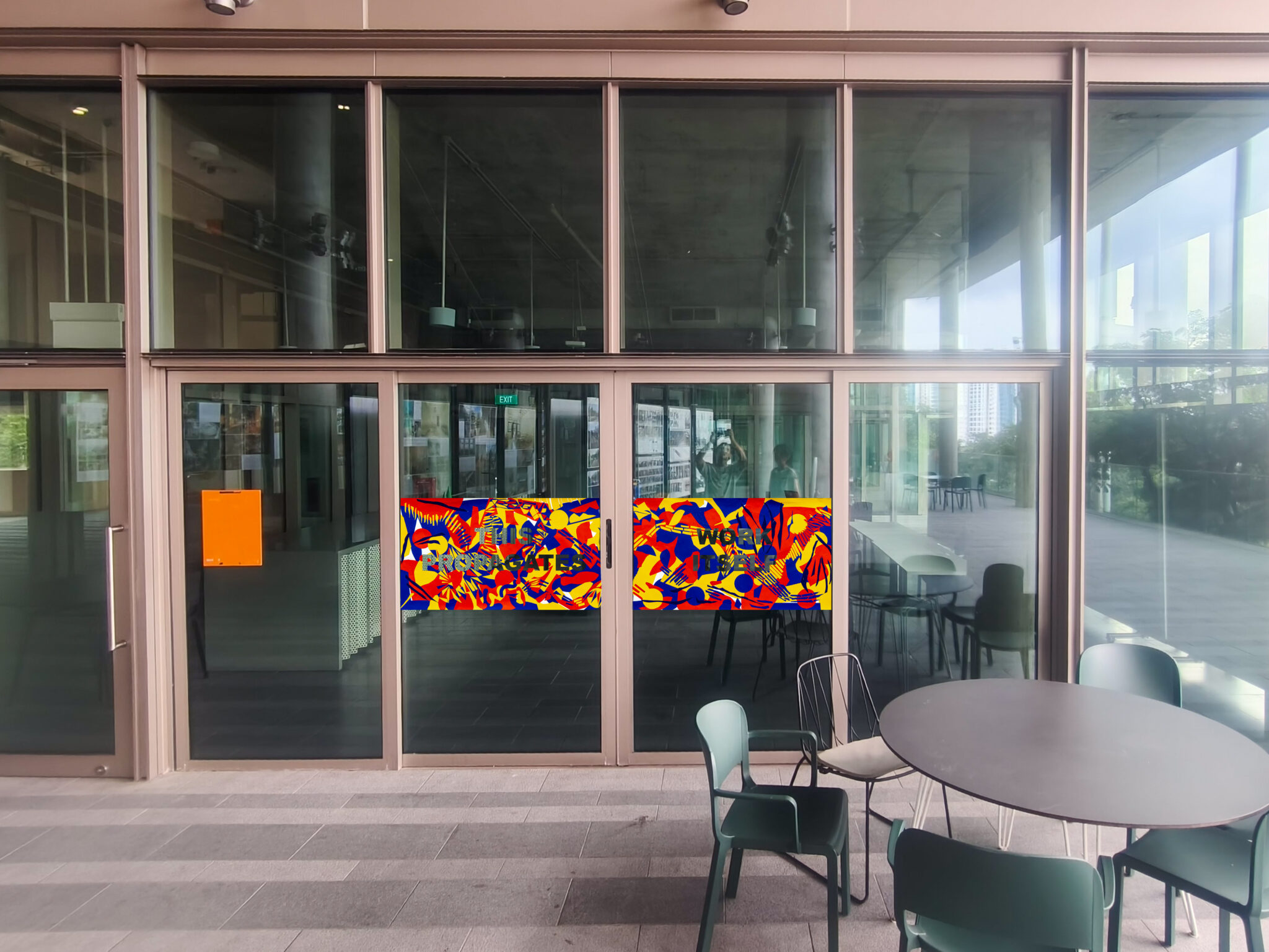
In this extension of the work at NUS School of Design and Environment (SDE), we wish to explore an iterative mural––one where the mark making, rules, and instructions are collectively contributed by members of the SDE community. The work is titled This Work Propagates Itself, a challenge to the community to freely interact with a designated glass wall at the SDE4 Open Plaza, using vinyl. The artist (along with other members of DASSAD––Adar Ng & Woong Soak Teng) would also be present to co-create a mural alongside participants.
They will actively be on site
14, 19, 20, 26 November 2025
4, 9, 10 December 2025
Participants are also free to contribute to the mural when they are not around.
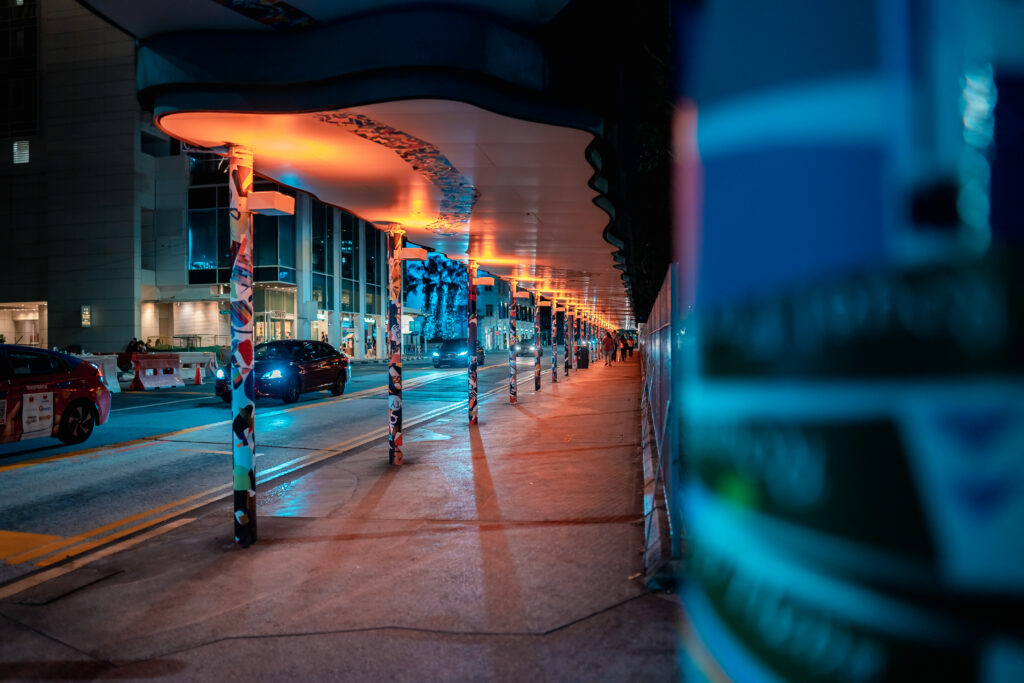
The Everyday Vinyl, Jan 2022, Collaged Vinyl Stickers, National Gallery Singapore
Concurrently, Lim also explores the process of participatory and democratic filmmaking that challenges traditional, hierarchical ways of working by allowing participants to have greater community mobilisation to contribute towards a common goal (Kindon, 2003). This second component will take place on 16 & 17 December 2025. Participants should bring their laptops capable of editing videos and images, and with some sort of non-linear video editing software (Premiere Pro, Capcut, etc.).
By equipping participants with the necessary skills to engage with the two mediums, Lim produces two sets of artworks that strengthen community ties through the process of co-creation. His work also seeks to produce a replicable framework for participatory design that addresses issues of isolation, inequity, and collective resilience. By engaging in making and reflecting, participants experience sustainable ways of creative making and learn about the role of the individual in shaping such sustainable practices.
Designing the Unseen: The Little Joys in Life by Kester Wong
Designing the Unseen looks at how the simplest objects in our lives quietly shape the way we relate to one another. We rarely think about the things we touch every day, yet they choreograph our movements, routines, and the small social moments that hold a community together. This project starts with a simple question that becomes more complex the longer you sit with it: what if we redesign the familiar so that it creates opportunities for us to interact with one another again?
The residency builds on an earlier project, The Mundane Redesigned (2023), where a set of brooms required two people to sweep together. The broom stopped being just a cleaning tool and became a social prompt. It turned an everyday task into an encounter. That work suggested something important: small inconveniences can draw people closer. Community might grow not from ease, but from friction, from the effort of doing something together.
In this residency, Designing the Unseen begins by exploring a simple tool kit. What if we add verbs to objects, what happens if we combine a newspaper + gather, a bottle + toss, a walking stick + invite. These added actions are not upgrades or features. They are questions. They lead people to imagine new possibilities for the things they already use, and to notice how design can nudge them toward or away from others.
From November to December, a small group of co-creators from different backgrounds come together for four creative labs. Each person starts with a personal object, such as an educator’s red pen, a newspaper, a hair clip, a bottle, or an elderly walking stick. Through play, sketching, conversation, and low-fidelity prototyping, they rethink these objects from the inside out. The labs are designed to make visible the small gestures and micro-habits that shape how people pass, wait, sit, or stand beside one another in shared spaces. It is a hands-on attempt to bring back a sense of mutual awareness into routines that usually run on autopilot.
At the end of the residency, the co-creators will assemble a collective exhibition at the NUS Department of Architecture. The exhibition will present prototypes, sketches, and experiments that suggest another way of thinking about design, not as a tool only for efficiency or autonomy, but as something that can cultivate interaction and social capital. Designing the Unseen is a quiet proposal: that community can begin with the little joys built into the objects we share, handle, and pass between one another.
Alongside the labs, this thinking also appears in a small coffee activation on site, where a simple drip setup and cups becomes a reason to pause, wait, and talk. It is a live test of the same question that runs through the project: can small, tangible interruptions in our everyday habits create space for care and connection?
This is an open invitation to the NUS community: come for a coffee, stay for a conversation.
November: 19th / 21st / 24th / 26th / 28th
December: 1st / 3rd / 5th
Timing: 10am – 5pm
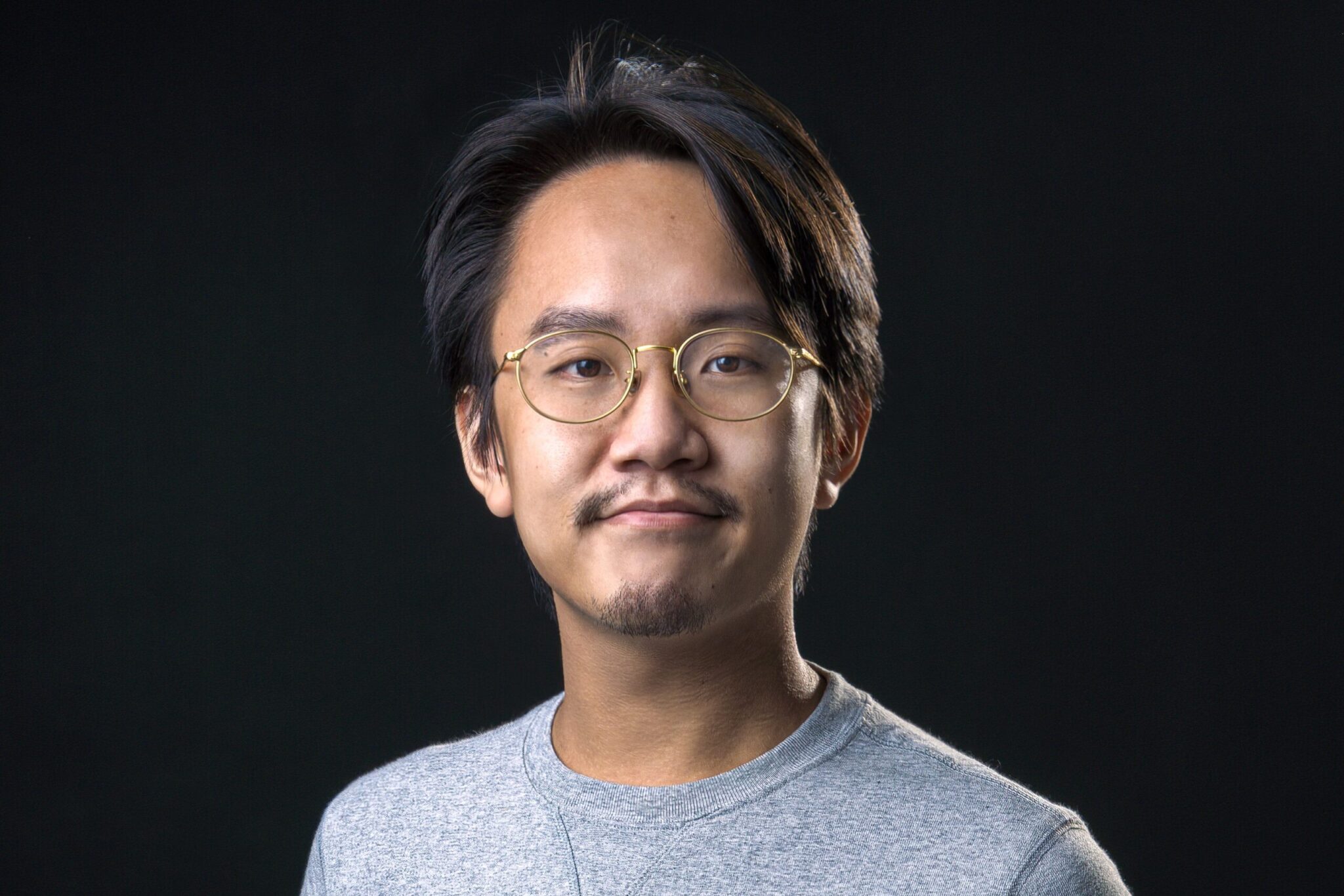
His recent work include The Believers, Eroding the City, and Tucked Under. His work has won multiple awards such as the National Youth Film Awards (2020), NTU Global Digital Art Prize (2019), and the Objectifs Documentary Award (2019). He graduated from Yale-NUS College with a BA (Hons) in Urban Studies. His works have been exhibited in Singapore and Greece.
DASSAD is a multidisciplinary arts trio comprising of Adar Ng, Dave Lim, and Woong Soak Teng. Primarily made up of image-makers, the collective has been focused on human histories, environments and their associated anxieties, and ways of creating conversations around the imagination of new futures. Their works range from moving images to site-specific installations that engage mediums as messages and generate meanings out of time-based processes. Since its formation in 2021, DASSAD has presented a public installation ‘The Everyday Vinyl’ at the Light to Night Festival 2022, and was commissioned by National Museum Singapore and Maybank Foundation to create a video artwork titled ‘Indefinite Waters’ for the museum’s LED Wall. Other exhibitions include ‘About Routes, Not Roots’ at Art Agenda S.E.A., Singapore and ‘An Uncanny Assortment of Objects’ at VT Art Salon, Taiwan and starch, Singapore.
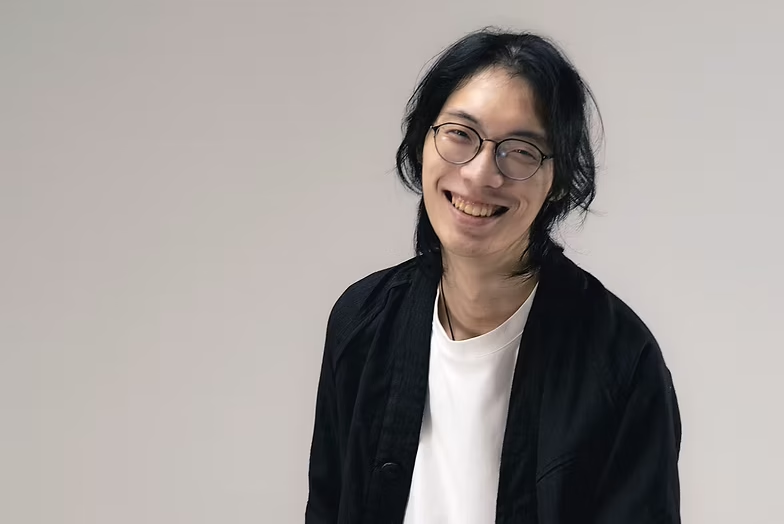
He often begins with ordinary actions, such as sweeping, sitting, or passing an object across a table, and treats them as starting points for redesign. Through installations, workshops, and object-based experiments, he invites people to rethink familiar routines and to notice how the things around them quietly shape the way they live with others.