Co-Design Workshop
Have you ever wondered what possibilities could emerge from the rich diversity of cultures, knowledge, and ways of thinking within your community? What if we could design shared spaces that allow us to understand, learn from, and celebrate these differences?
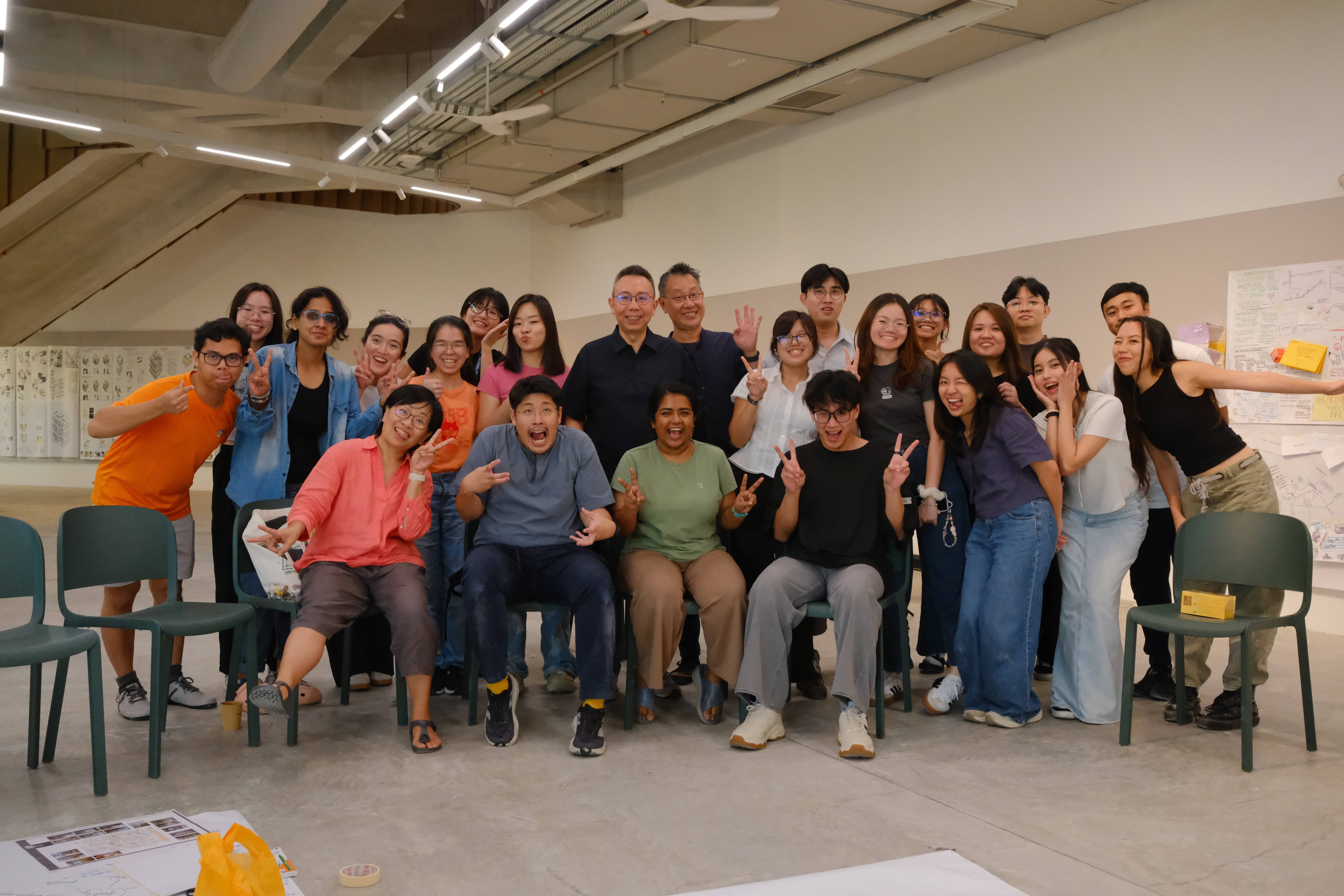
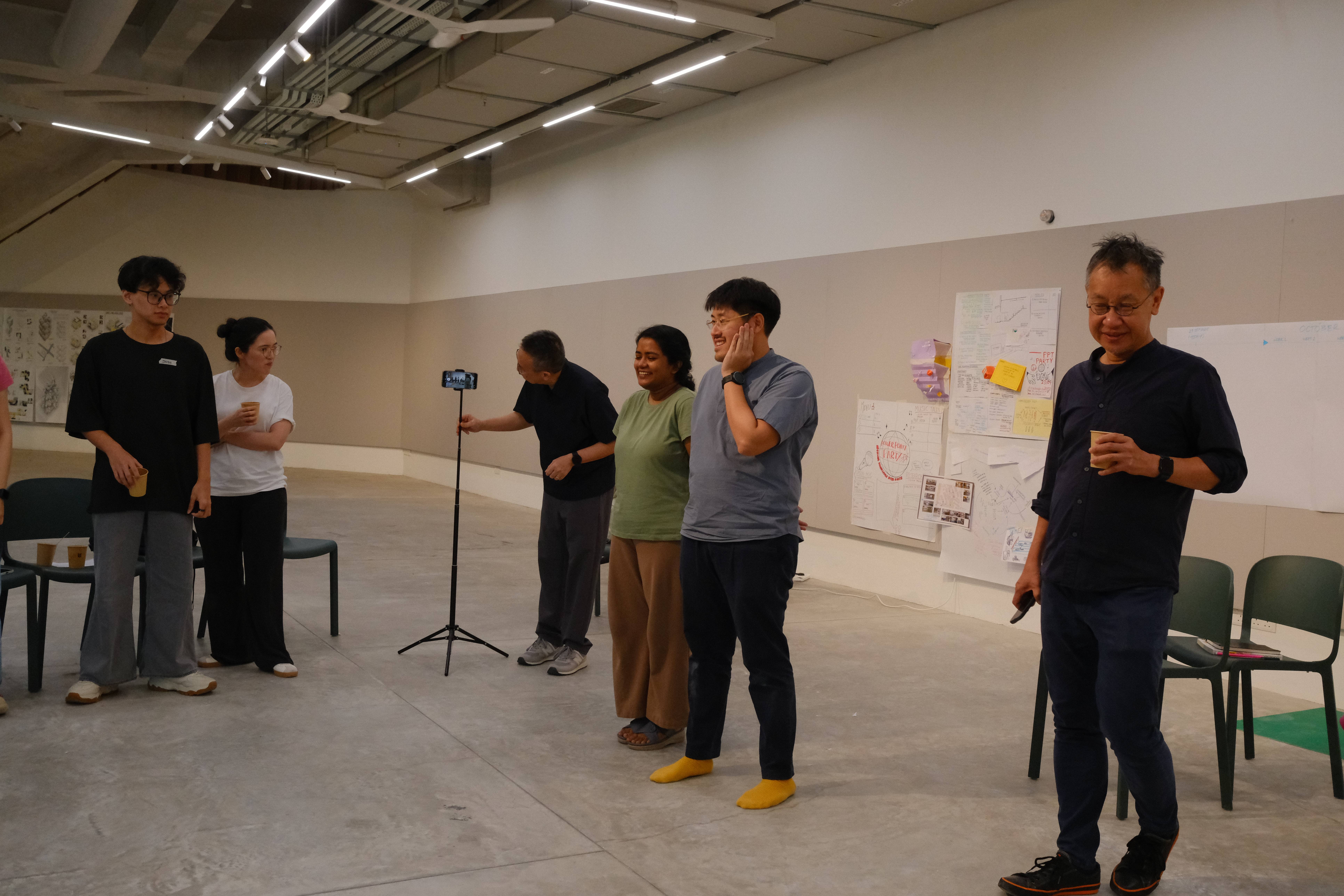
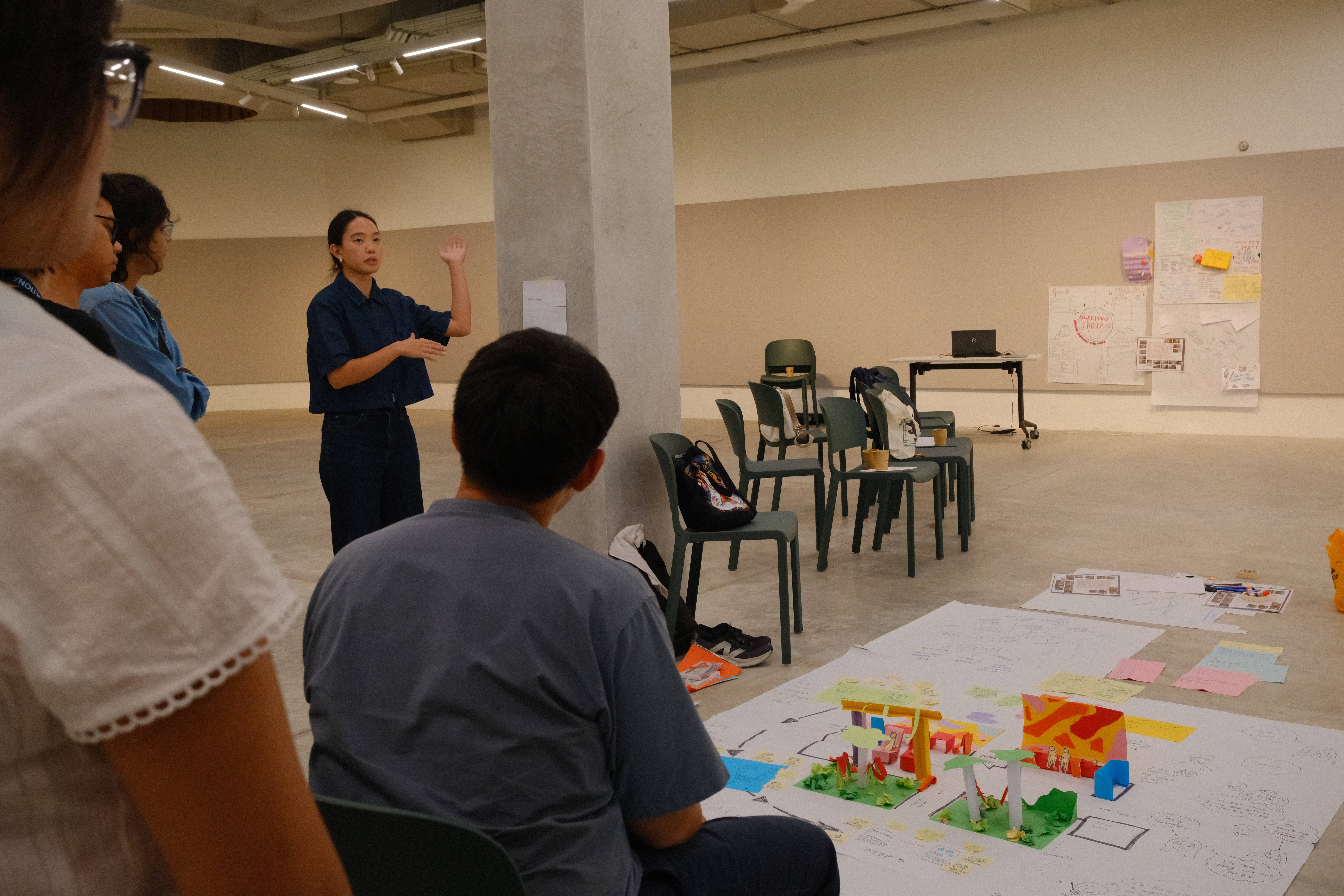
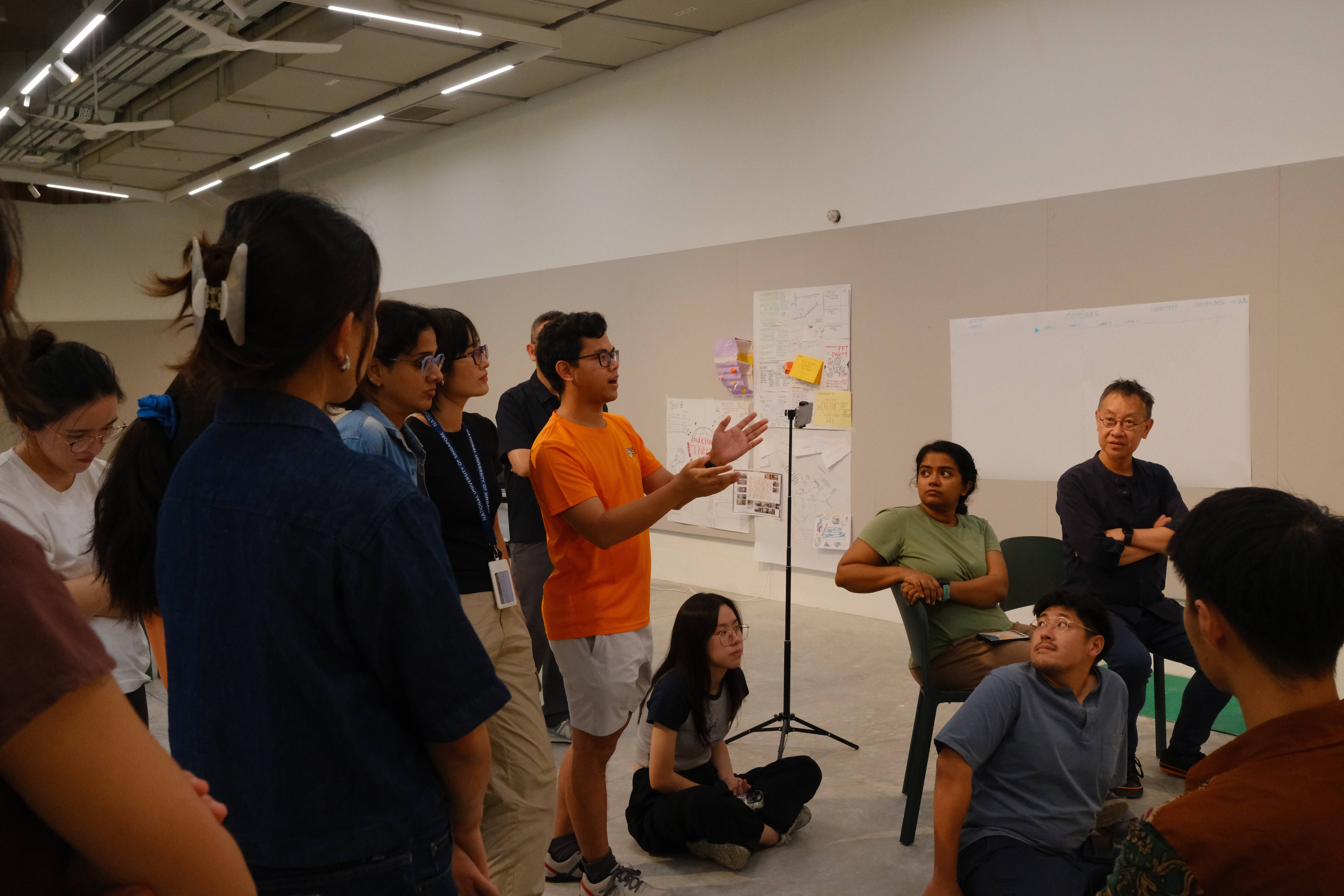
‘Weaving the Space Unknown’ was a transformative two-day co-design workshop facilitated by Ar. Witee Wisuthumporn and Ar. Mahmuda Alam from the Community Architects Network (CAN). Hosted by the Social Design Lab, this initiative invited students from across the College of Design and Engineering (CDE)—spanning Architecture, Landscape Architecture, and Industrial Design—to converge and interrogate the traditional boundaries of co-creation. By working together across distinct disciplinary lenses, participants were challenged to imagine a campus that functions not merely as a site of academic instruction, but as a dynamic landscape for social life. Through this experimental lens, the campus was treated as a sandbox for testing ideas, where the “unknown” became a space of immense creative potential rather than uncertainty.
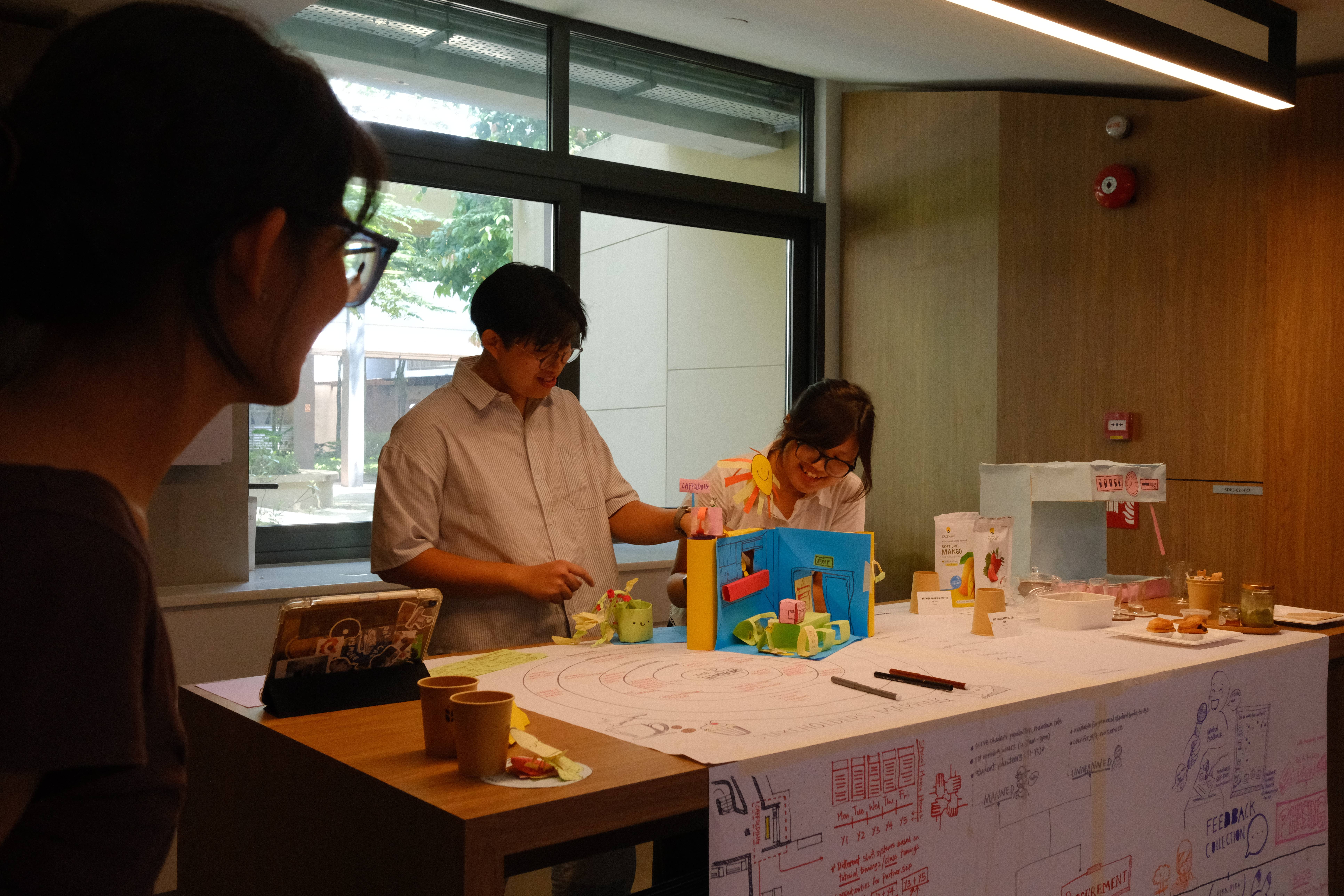
Students were tasked with identifying underutilized or “dead” zones—transitional hallways, vacant foyers, and quiet courtyards—and envisioning how tactical interventions could breathe new life into them. After a thoughtful analysis of these spaces, students then sought to prototype and propose new social and spatial frameworks–including pop-up cafes, informal seating areas, and flexible event stages–to activate existing spaces within the school. By centering play as a primary design methodology, the workshop sought to dismantle the silos between disciplines and encouraged students to engage in fun, creative ways to reimagine the school as a site not just for education, but for cultivating networks of mutual care and support.
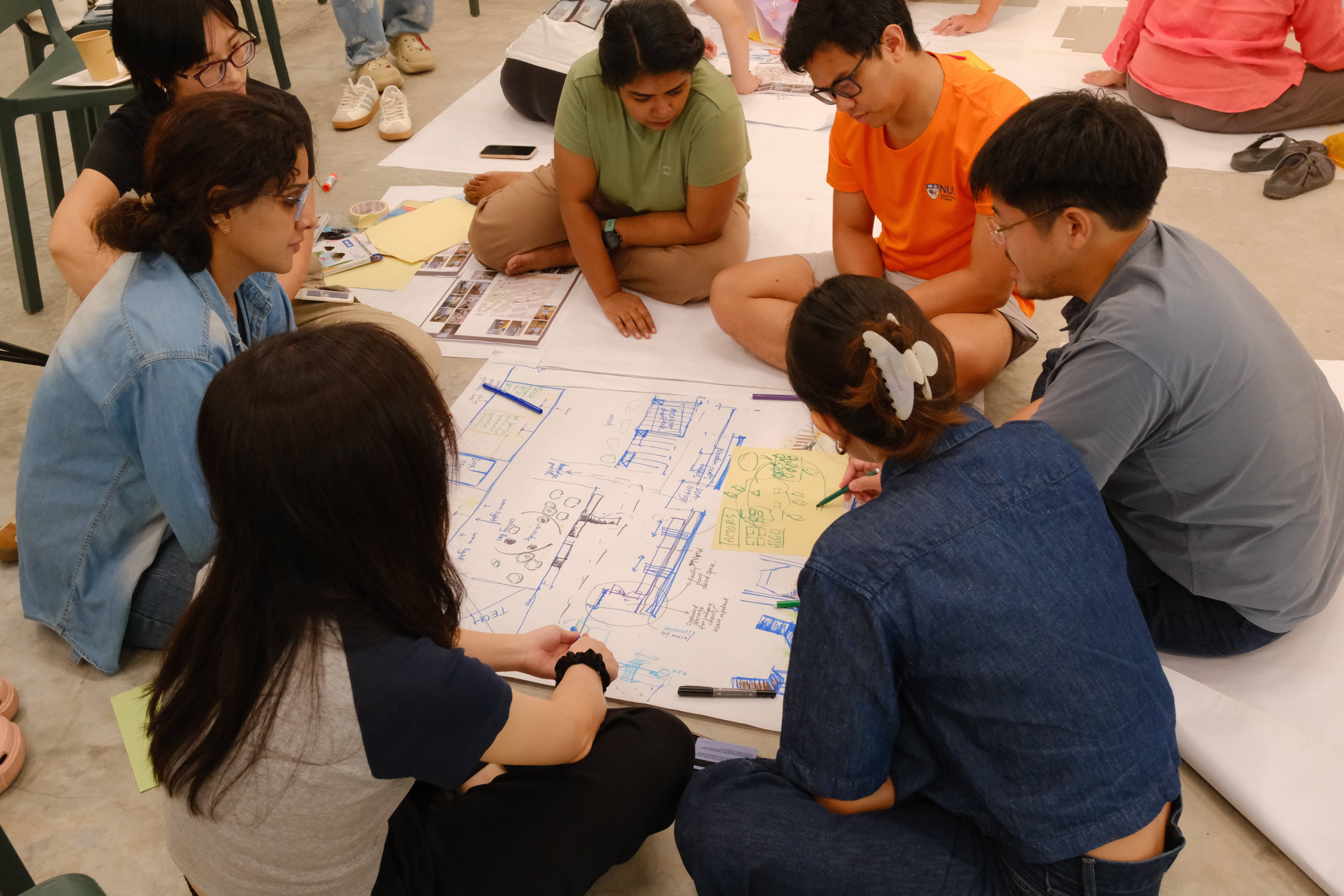
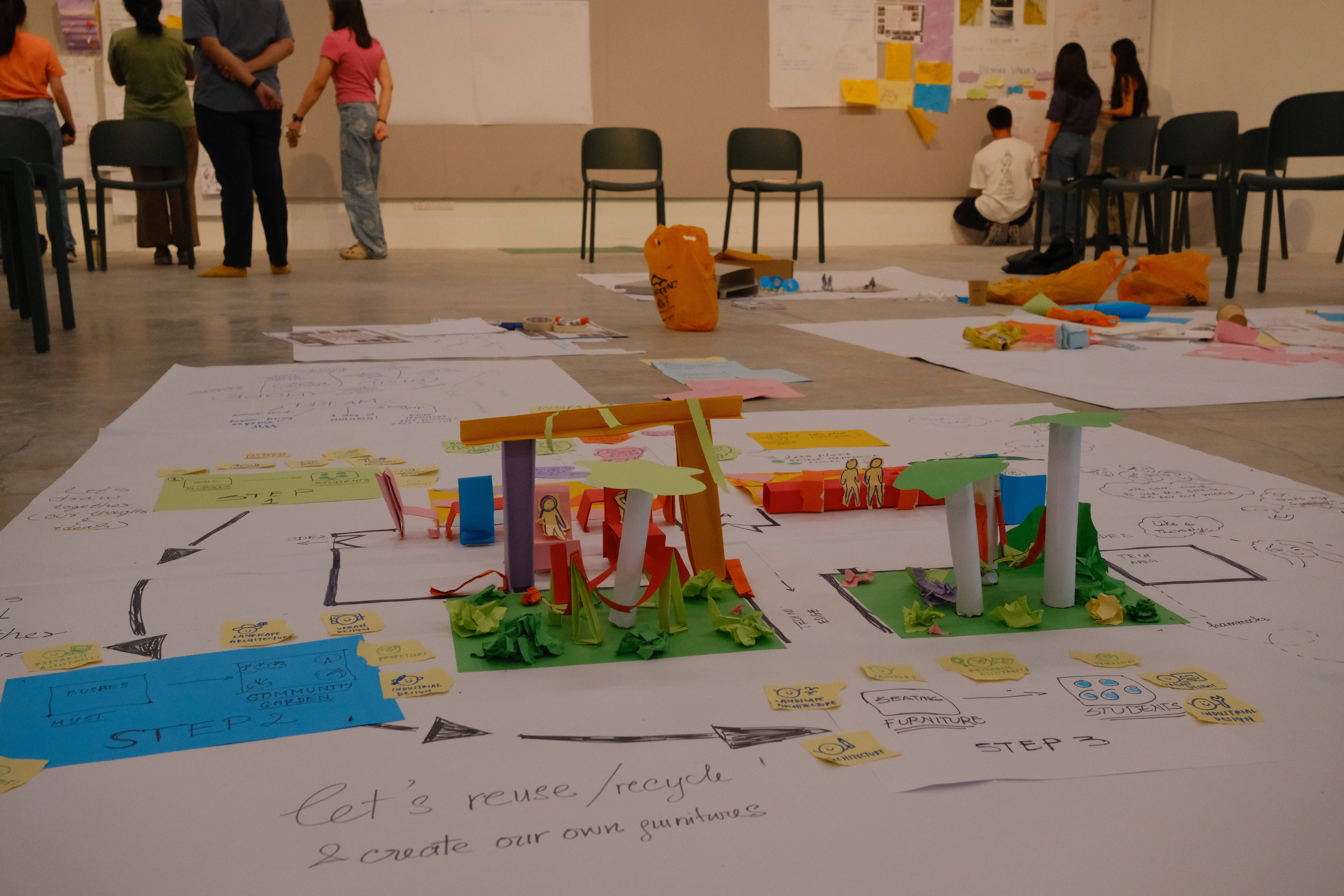
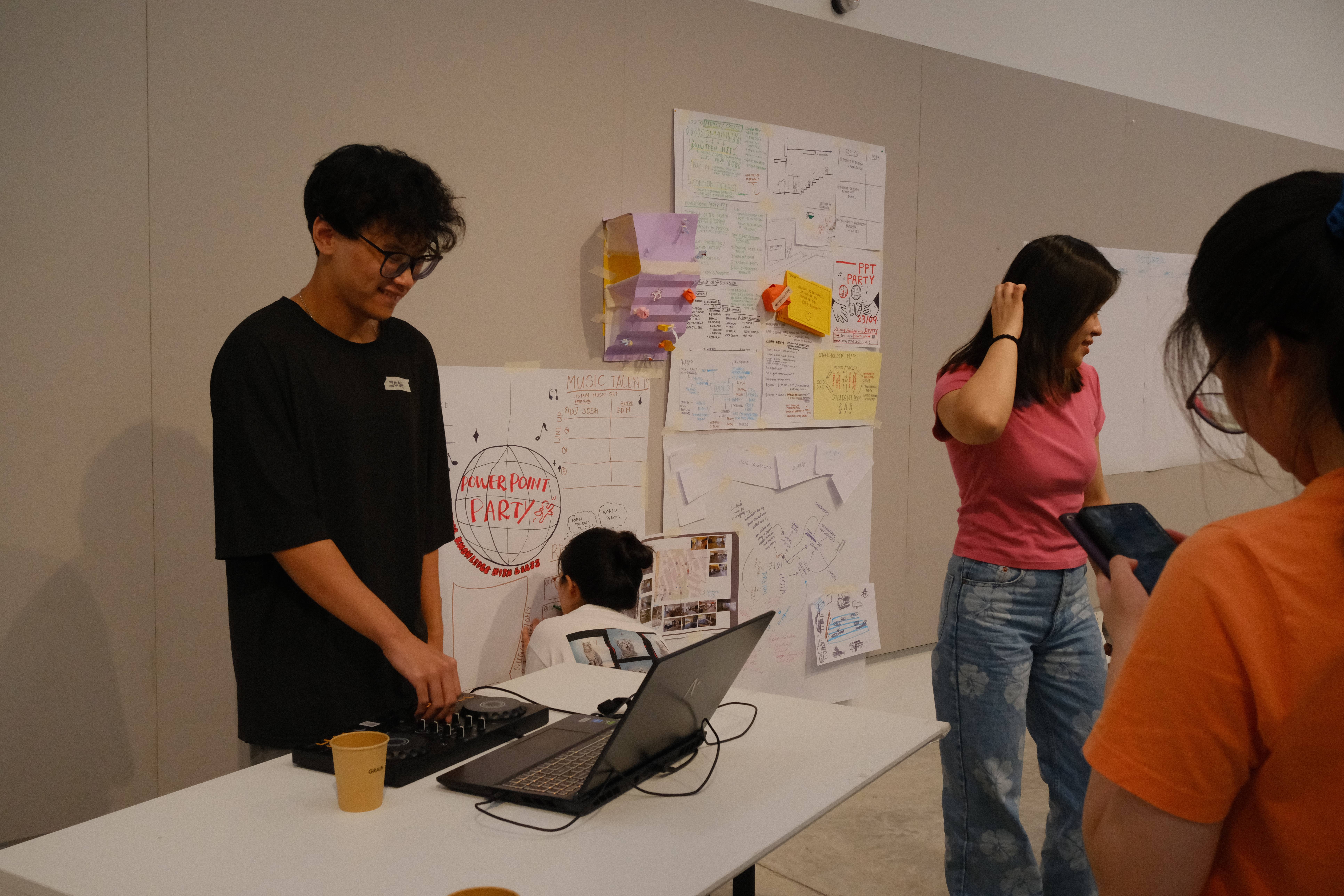
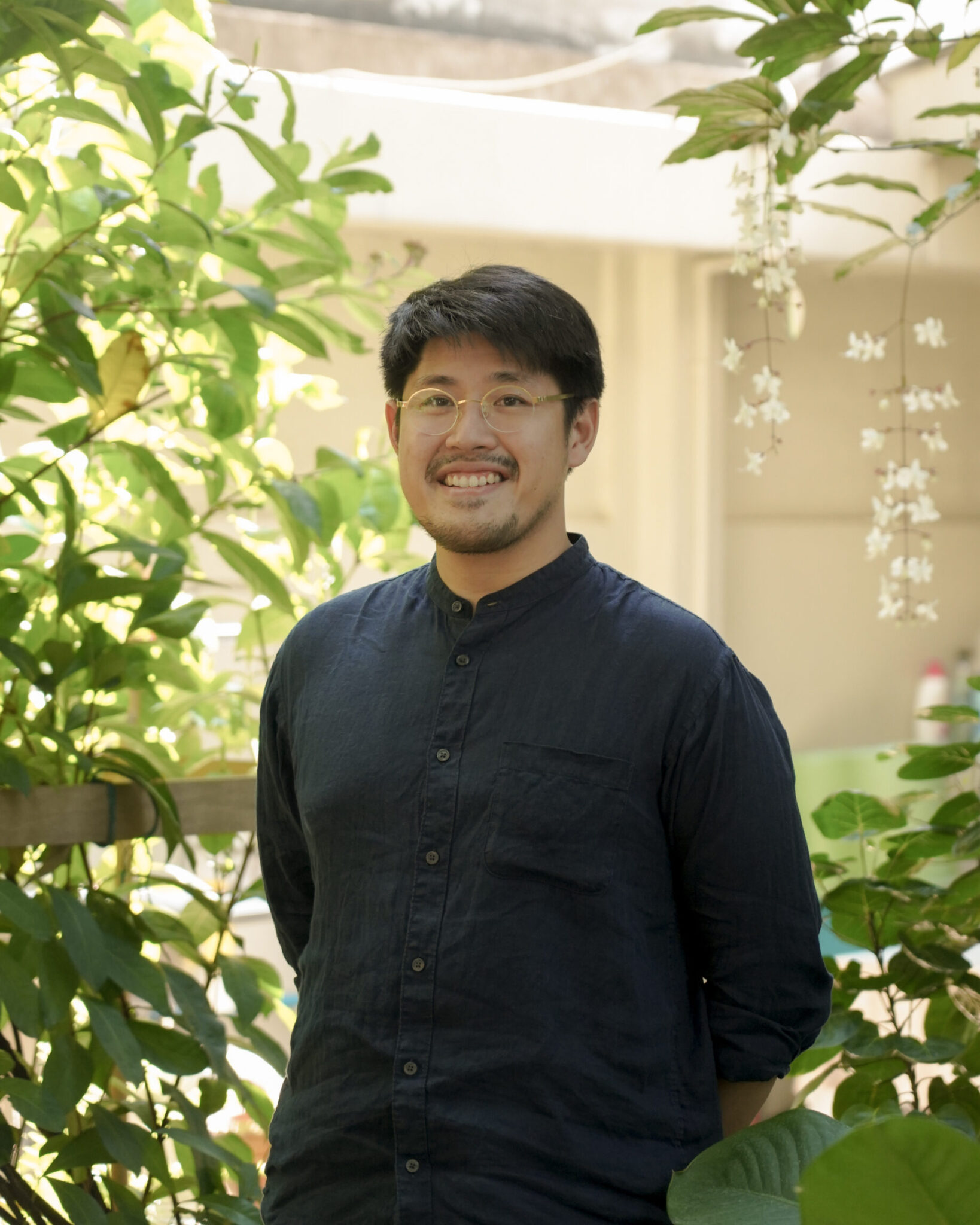
Witee works closely with communities and stakeholders through co-creation and participatory processes that are inclusive, meaningful, and grounded with collective aspirations for people to create the changes they want to see. With a focus on participatory design practice, Witee believes that architecture is not just about physical structures, but also about the manifestation of relationships, ownership, and hopes.
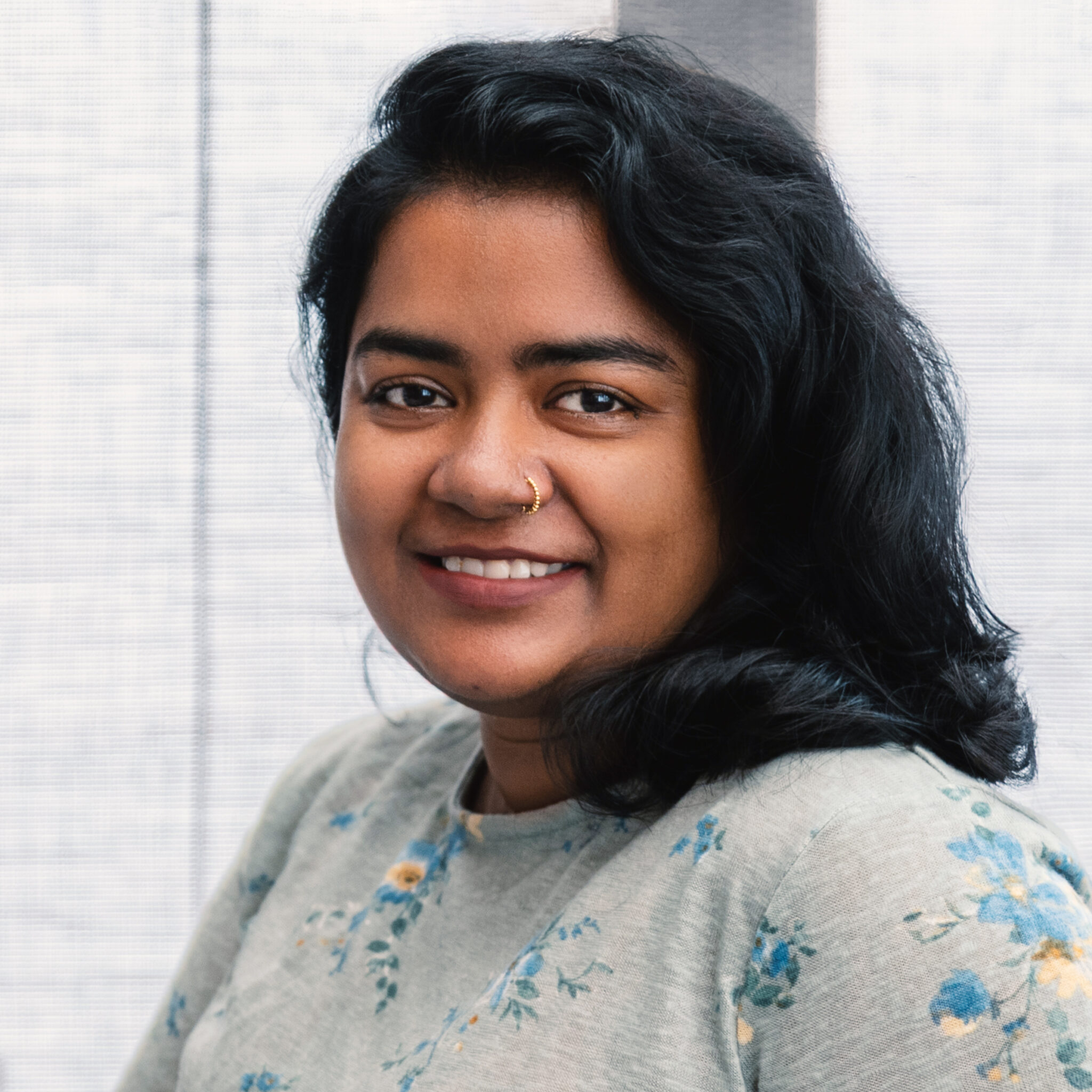
Currently, she is leading a team of young architects, who are developing low-income housing and neighbourhood developments in different communities of Dhaka. She has worked as a National Consultant for several exciting research and community engagement projects in collaboration with INGOS. Her core interest is in enhancing urban resilience, physical and mental health of communities through place-making and design. Since 2020, Mahmuda has been one of the coordinators of CAN (Community Architect’s Network), which connects architects from 19 Asian countries with similar interests.