Rediscovering Emerald Hill :
Dr. Lilian CHEE,
Dr. Chaewon AHN,
Dr. Dorothy TANG
RESEARCH ASSISTANTS
Joelle HUNG,
Pari BISWAS,
Rachel FONG,
Shobhit GOEL,
Xinyi HE
STUDENT ASSOCIATES
Bl Hongying,
Jamie LOH,
Laura DIETZOLD,
REN Yukun
WORKSHOP LEAD
Dr. Lilian CHEE,
Bl Hongying,
Jamie LOH,
Laura DIETZOLD
Rediscovering Emerald Hill: Co-Drawing Co-Making is a pilot design methodology workshop that explores how lived memory can be translated into spatial knowledge through collective practice. Situated within an ongoing research project at the Social Design Lab (SoDL) and the Civic Resilience Lab (CiRe), the workshop examines how care-oriented and relational design methods can expand conventional architectural documentation and inform future spatial planning.
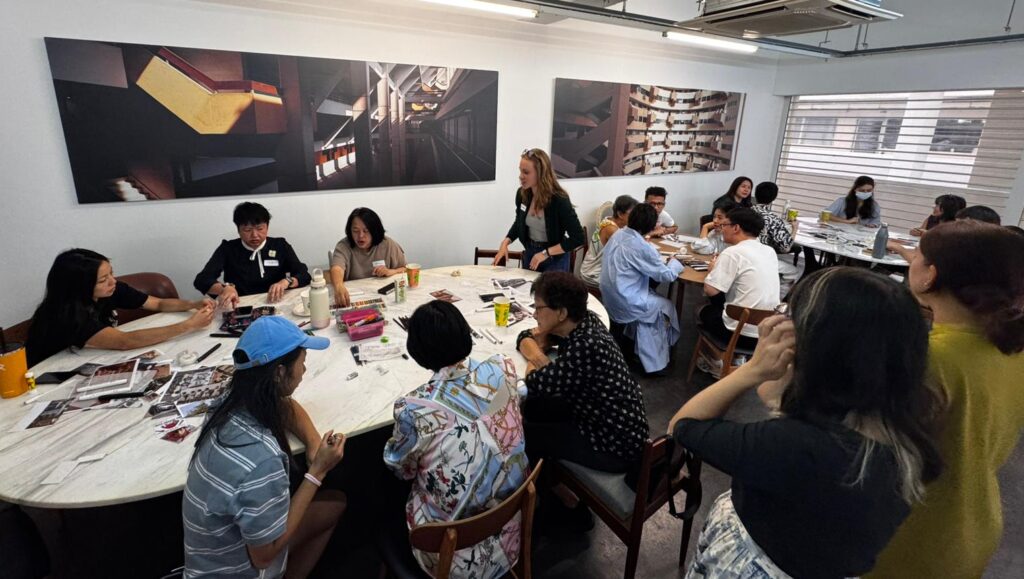
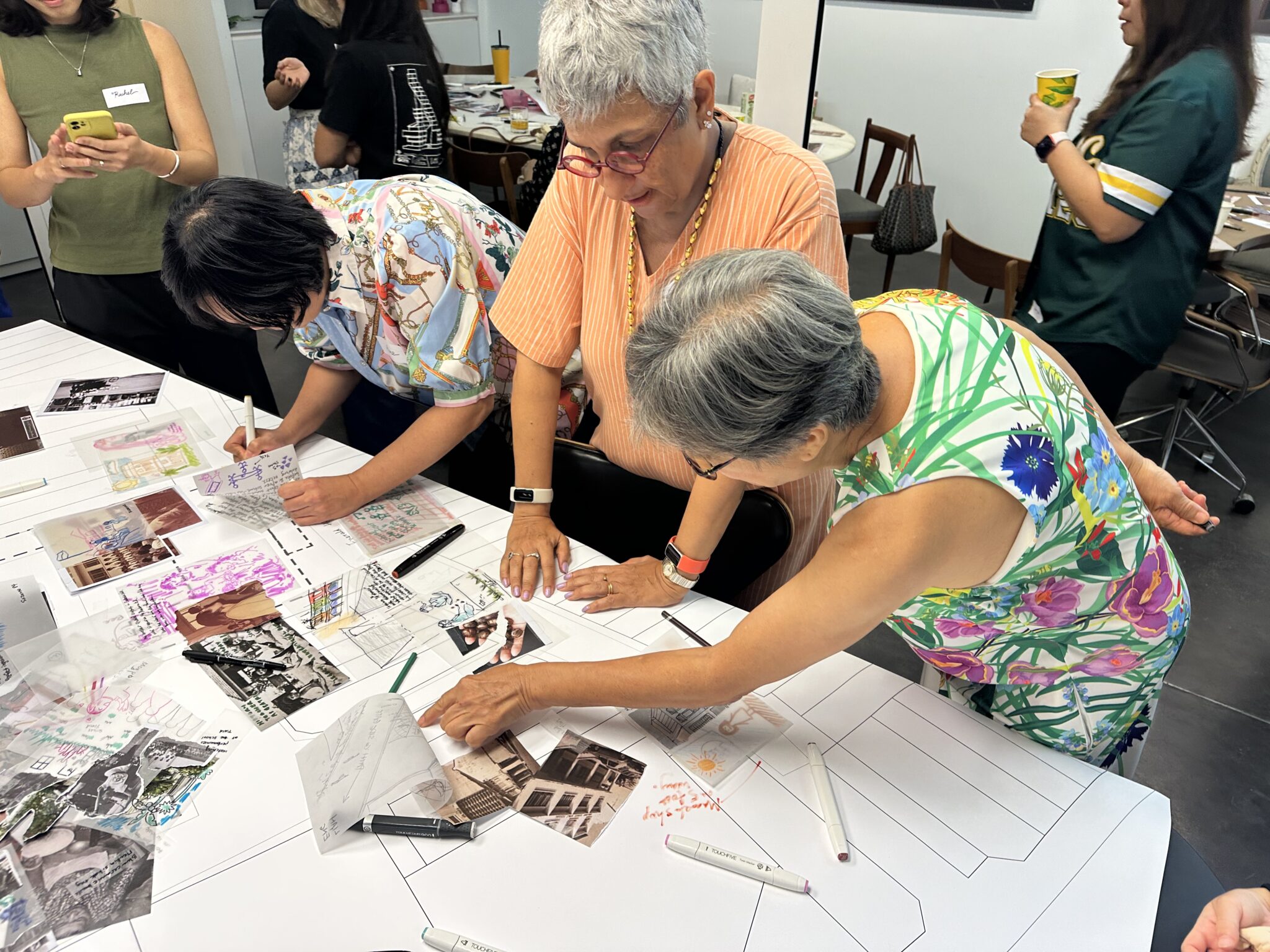
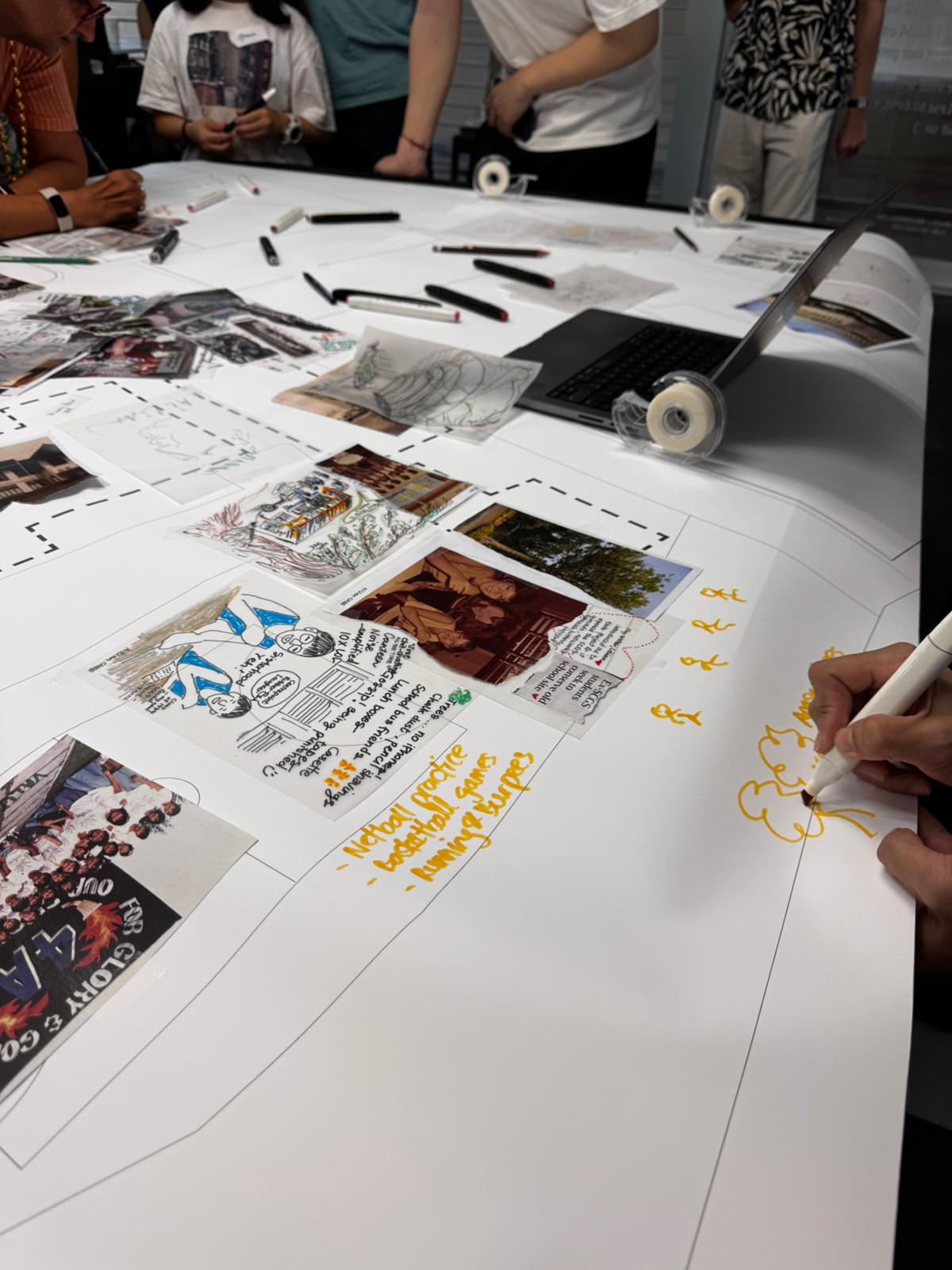
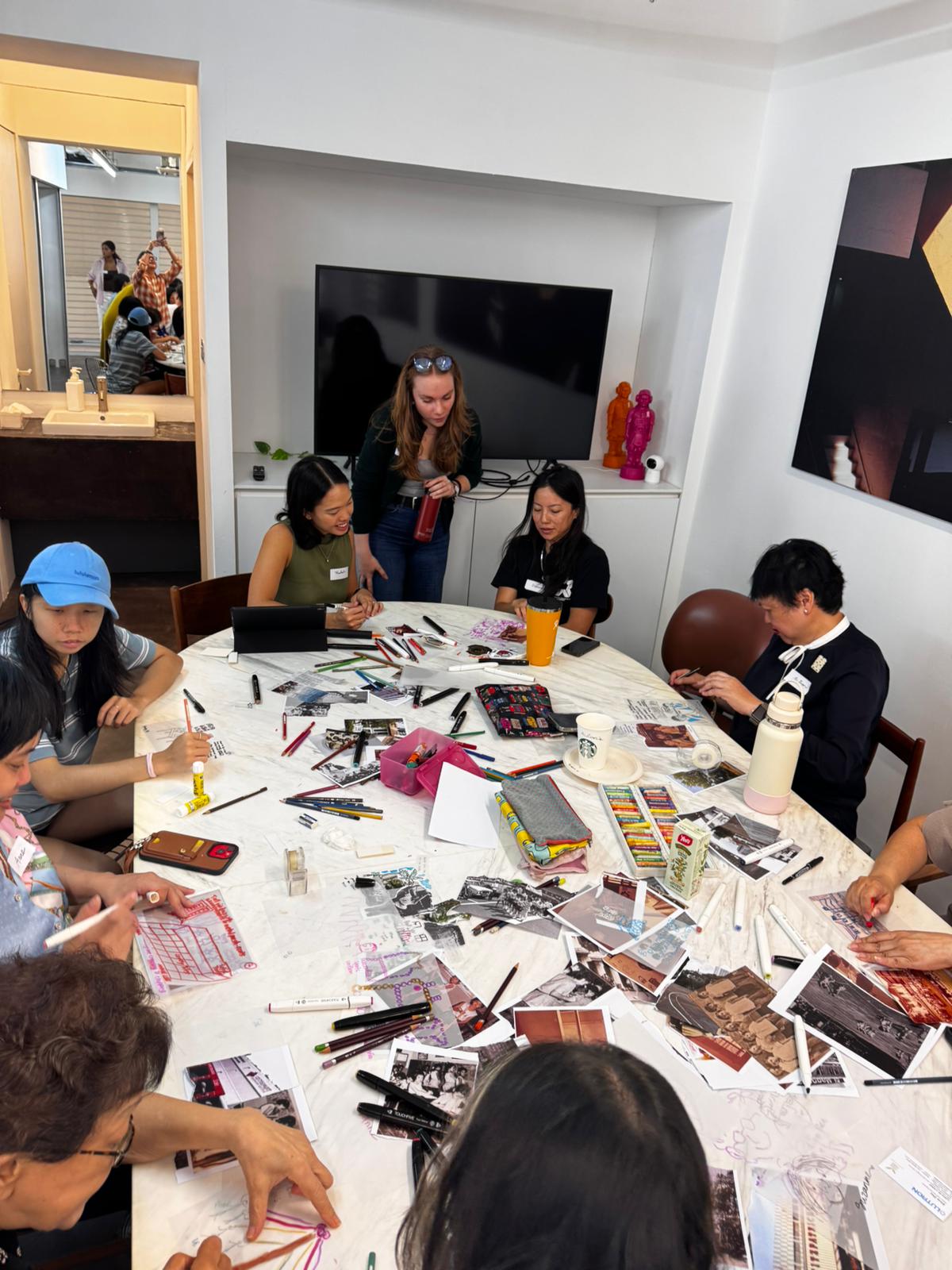
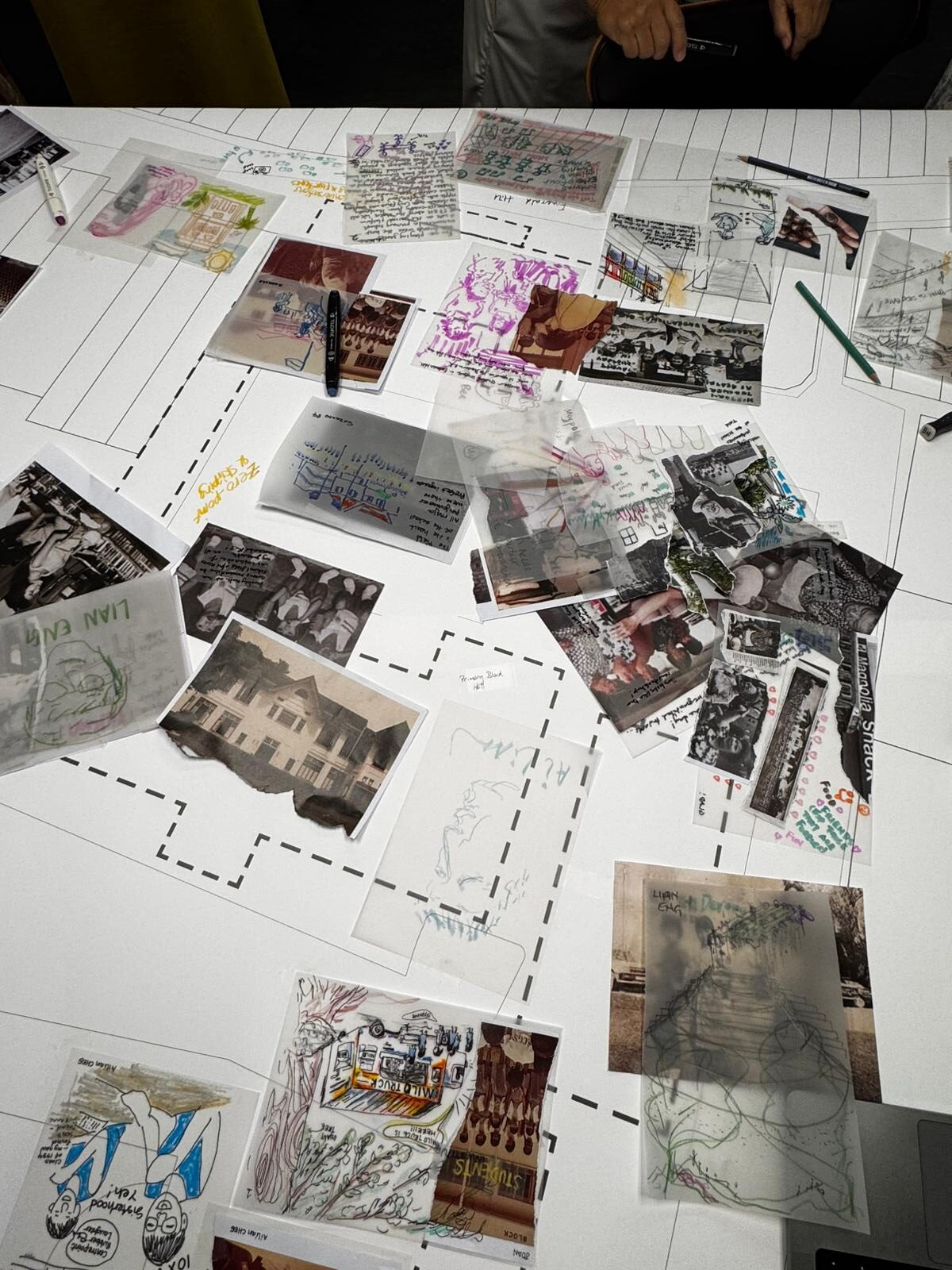
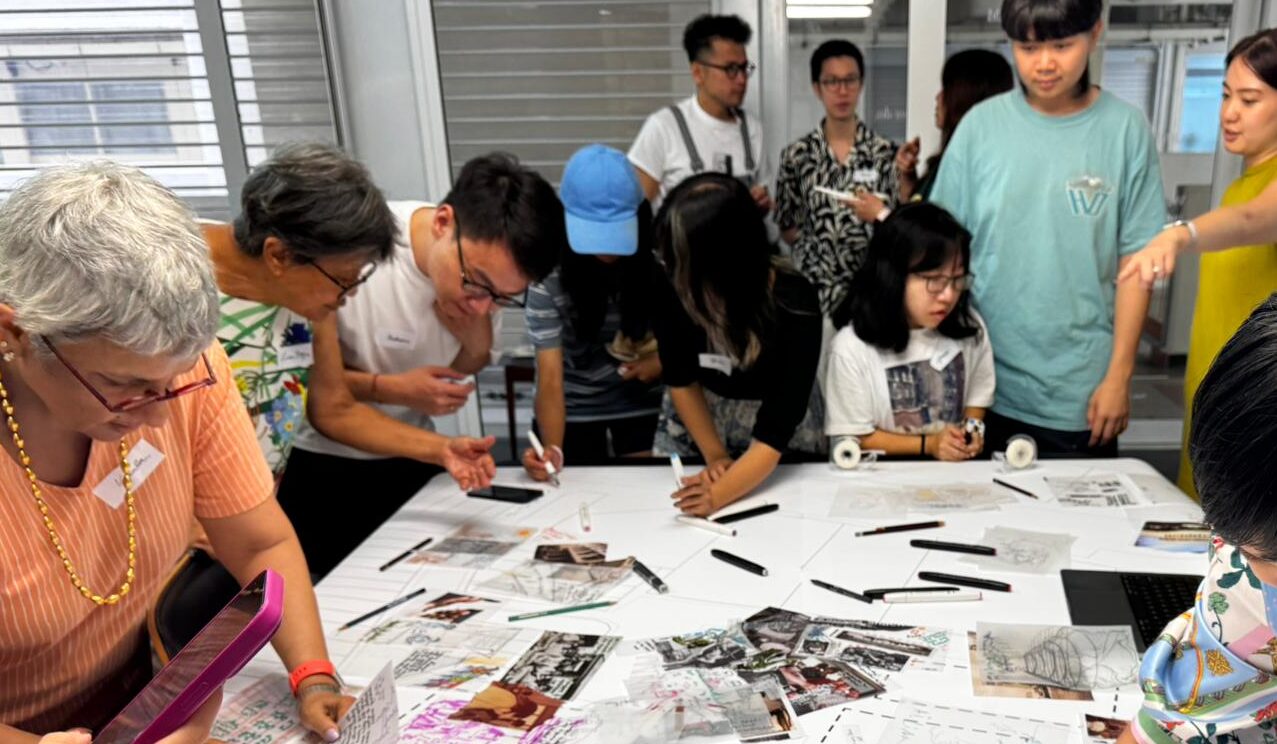
As a pilot study, the workshop tested emotional mapping as a participatory method for translating lived memory into spatial knowledge.Through emotional mapping and the W.D.C. (Write–Draw–Collage) framework, participants co-produced a layered representation of 37 Emerald Hill Road that integrates built form, social occupation and affective meaning.
The co-produced map of 37 Emerald Hill Road brought together physical form, patterns of social occupation, and affective associations in a single layered artefact, offering an exploratory complement to conventional architectural documentation.
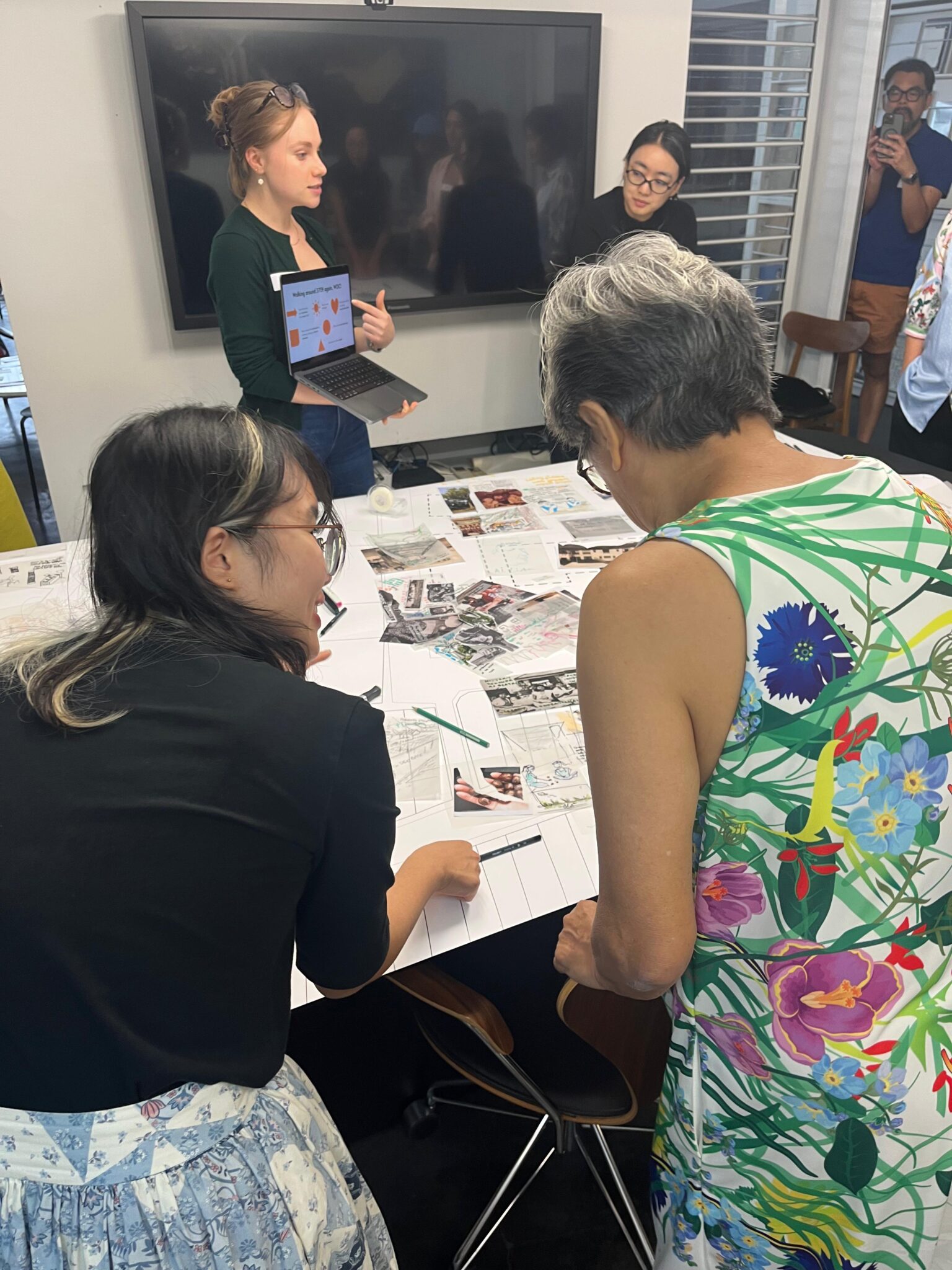
The W.D.C. (Write–Draw–Collage) framework functioned as a structured yet accessible scaffold, supporting participants in moving from individual recollection to collaborative mapping and negotiation. While modest in scale, the session demonstrated the feasibility of this approach as a tool that may be further refined and expanded in subsequent iterations.
The pilot also surfaced preliminary insights into the relationship between social density and spatial value, particularly in contrast to the commercial intensification of Orchard Road’s mall urbanism. These observations remain exploratory, but they indicate productive directions for future research into care-oriented spatial planning.
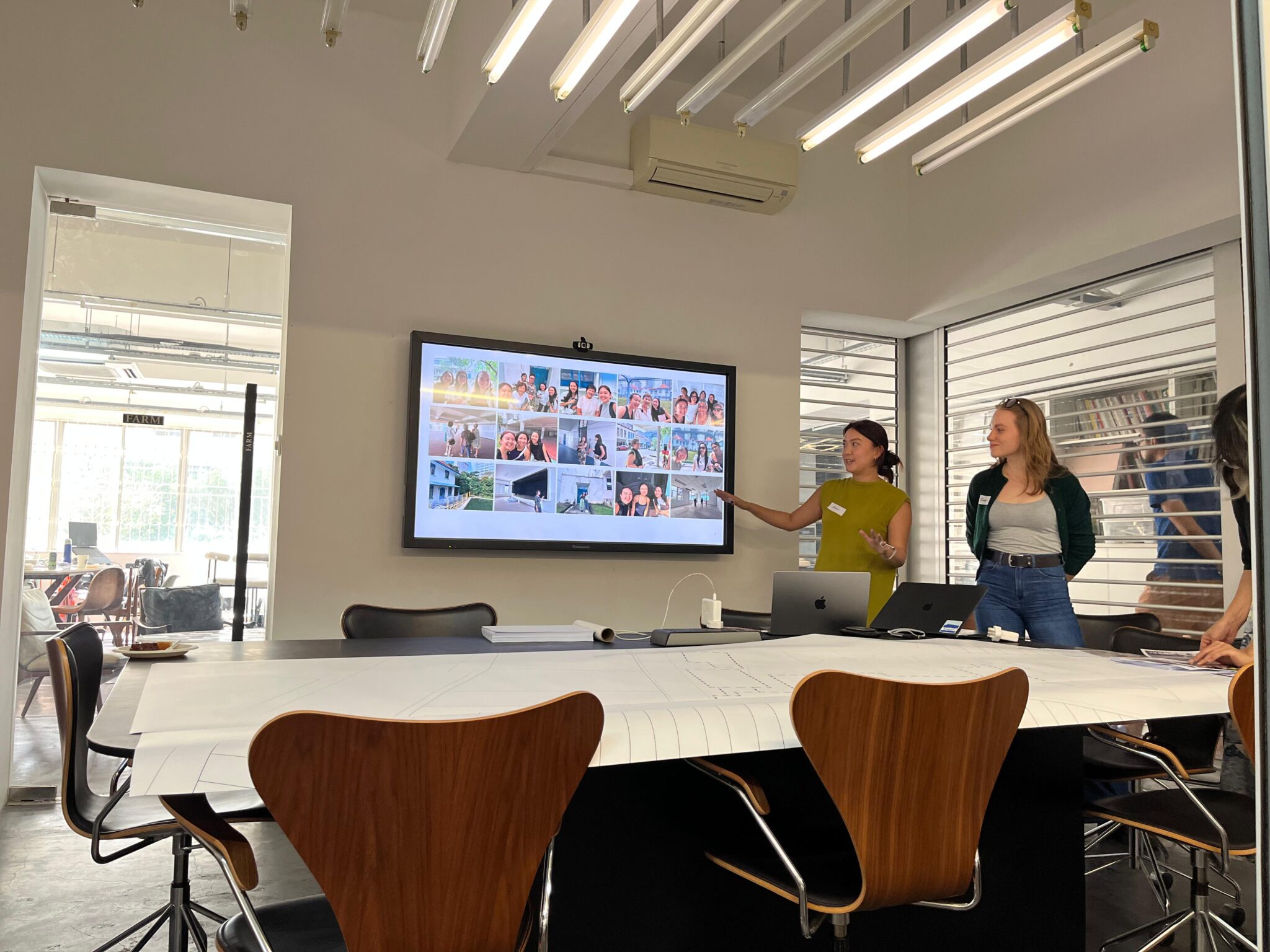
Bringing together 28 participants across age groups — including alumni from both the Emerald Hill and Dunearn campuses alongside non-alumni — the workshop fostered intergenerational dialogue and collective reflection. The outputs contribute to ongoing research within the Social Design Lab (SoDL) and Civic Resilience Lab (CiRe) at the National University of Singapore and will inform further methodological development and public dissemination.
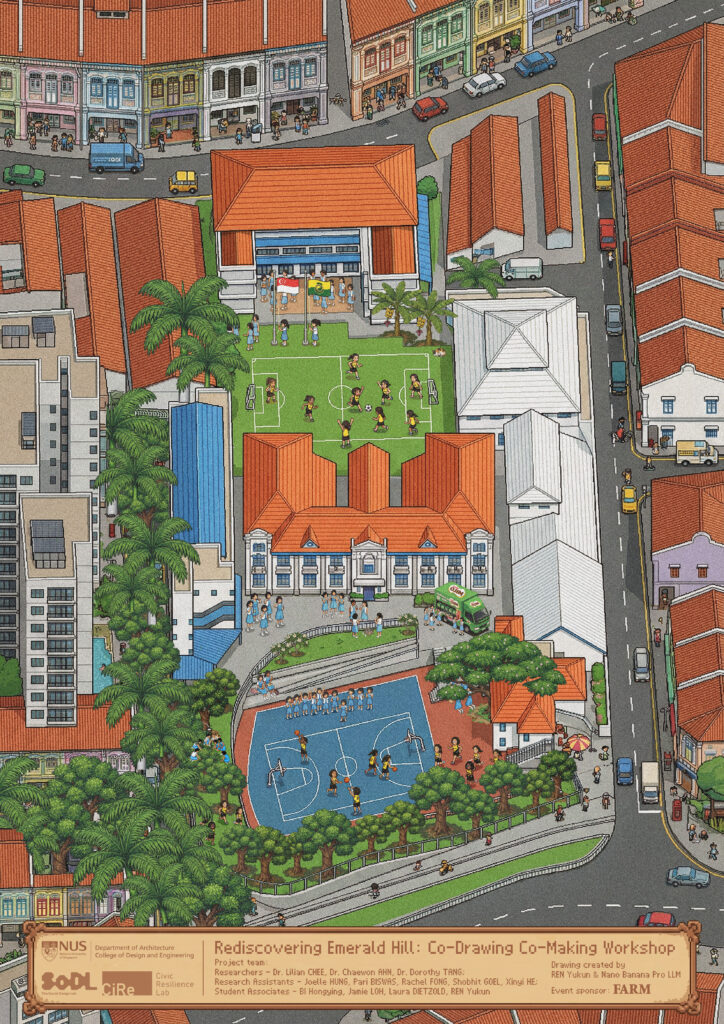
Poster for the Workshop, designed by ren yukun.