Conference :
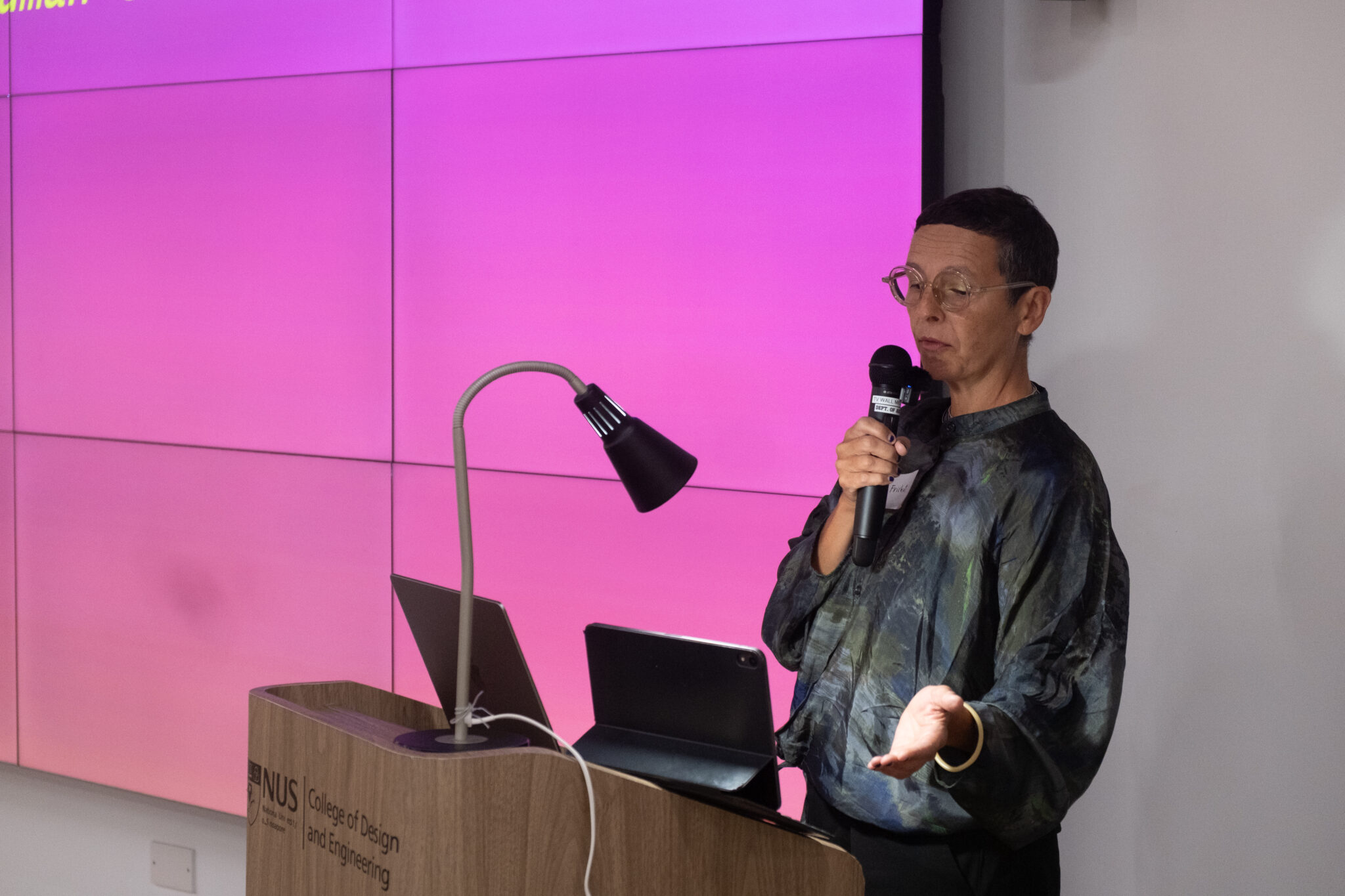
Hélène Frichot;
Jeff Hou;
John K. C. Liu;
Lilian Chee;
Lori Brown;
Marianna Janowicz;
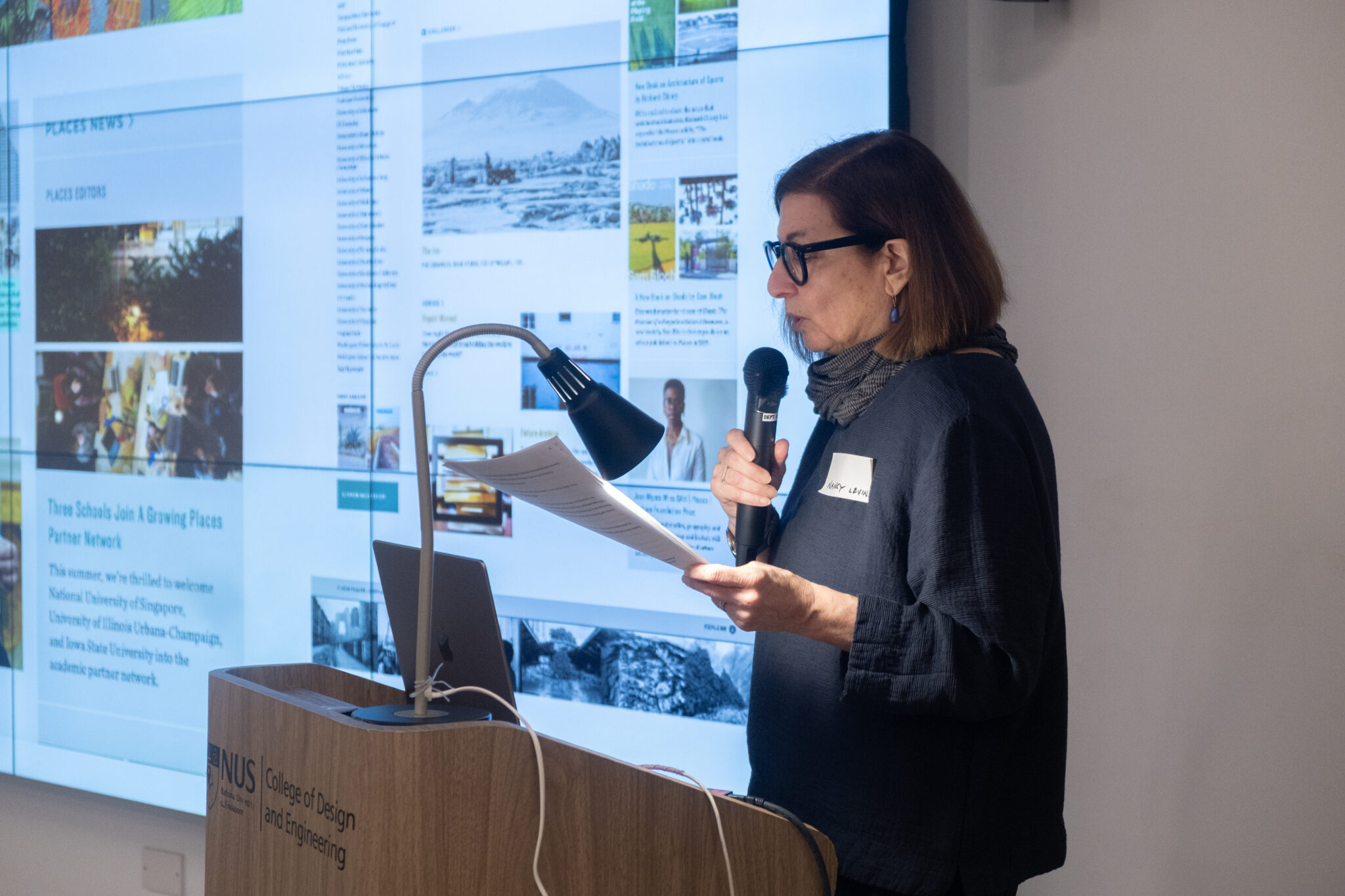
Nancy Levinson;
Peggy Deamer
MODERATORS
Dorothy Tang;
Joshua Comaroff
CONFERENCE TEAM
Lilian Chee, Conference Chair;
Joelle Hung, Rachel Fong,
Research Assistants;
Jamie Loh, Student Associate
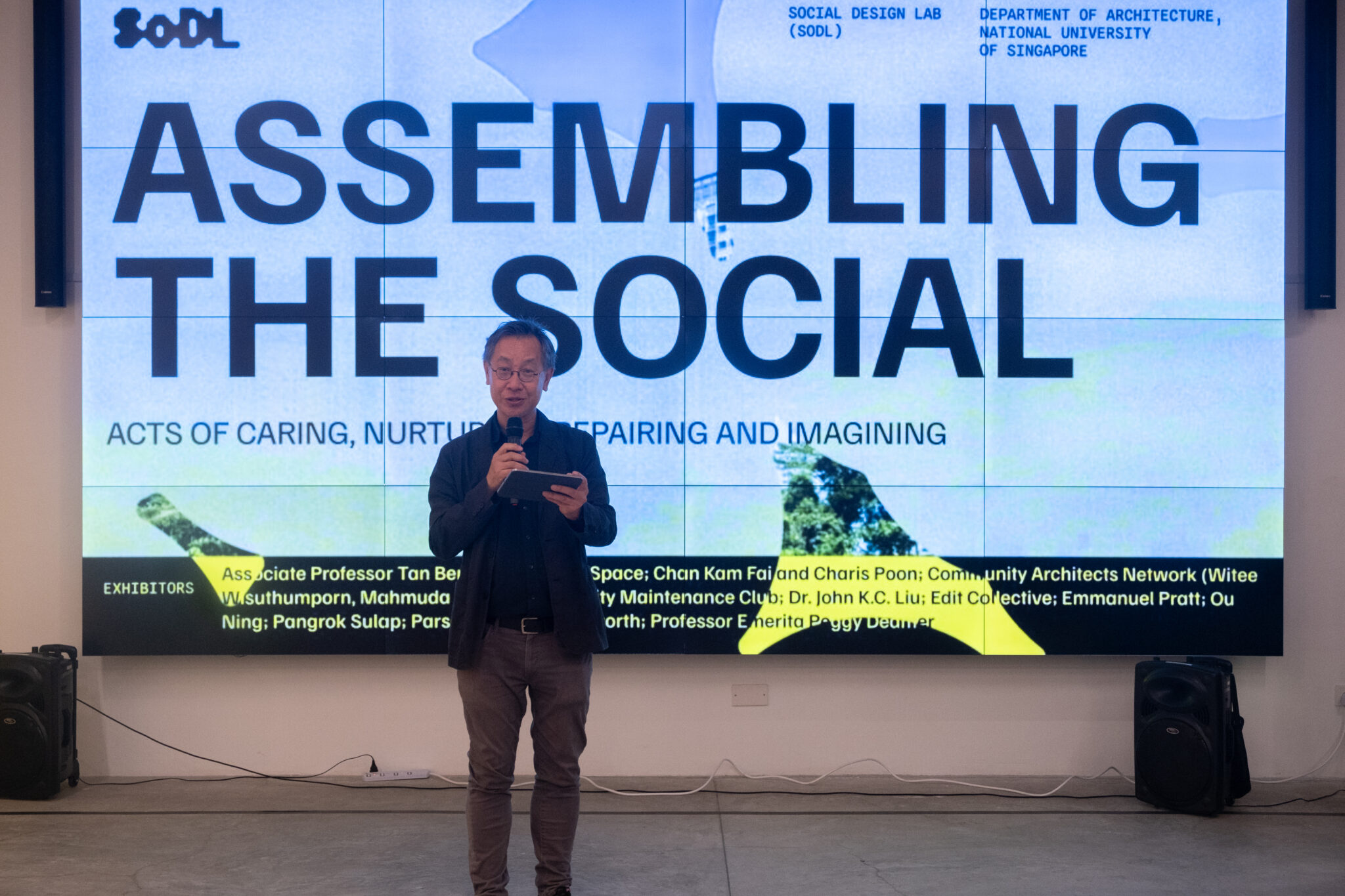
Interrogating what “the social” constitutes in the field of architecture, Designing the Social explores its philosophical, material, spatial and pedagogical limits. For its inaugural conference, the Social Design Lab (SoDL) at the National University of Singapore looks at how the social is activated through design, specifically how the raw material of social life might be transformed into accessible and actionable design frameworks.
Designing the Social
“Social Design is inherently messy. It resists tidy frameworks, requires patience with ambiguity, and thrives on the unpredictable dynamics of more-than-human relationships. It is precisely in this messiness that genuine creativity, adaptability and transformation can emerge.” – Assoc Prof Lilian Chee
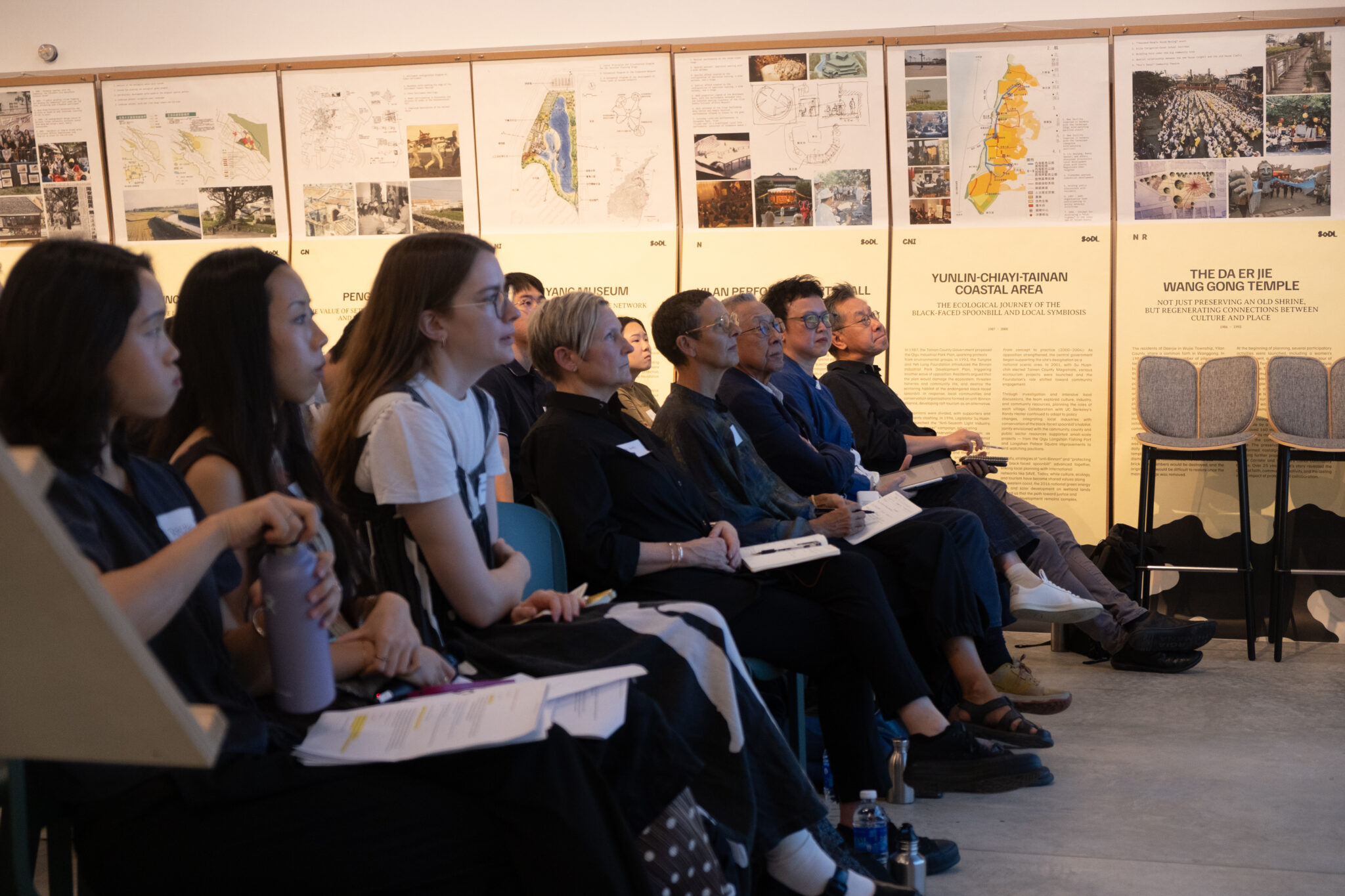
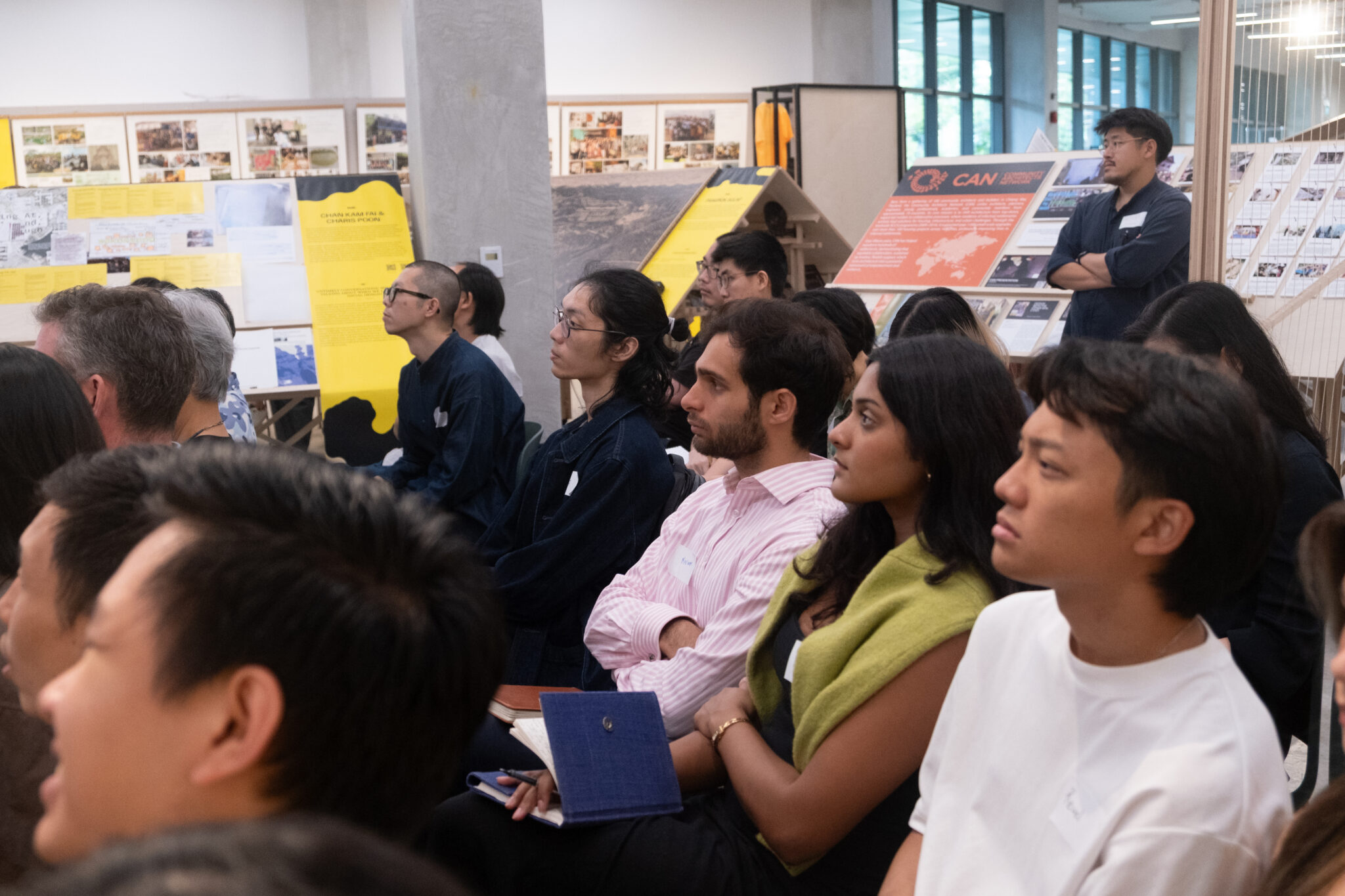
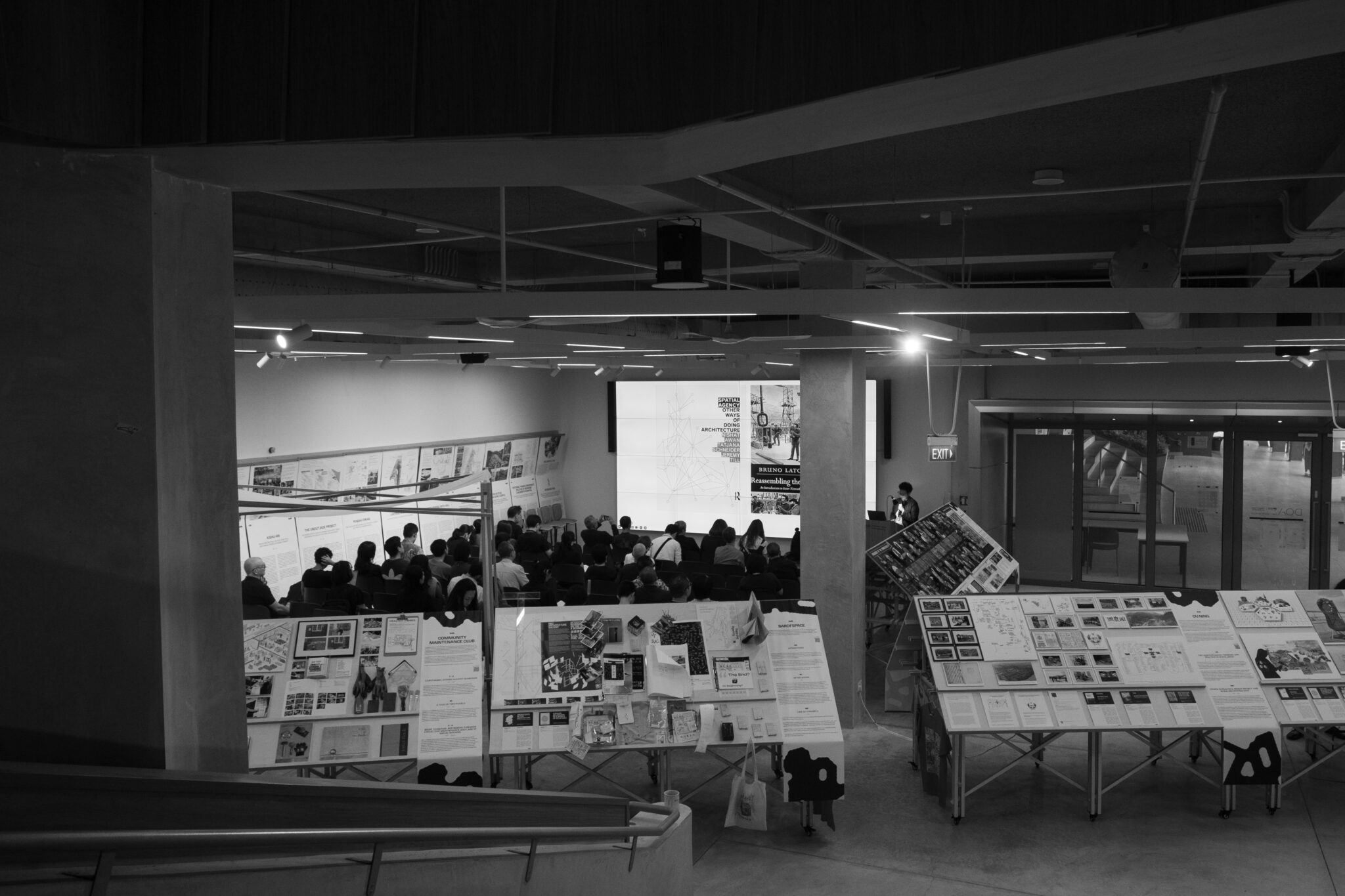
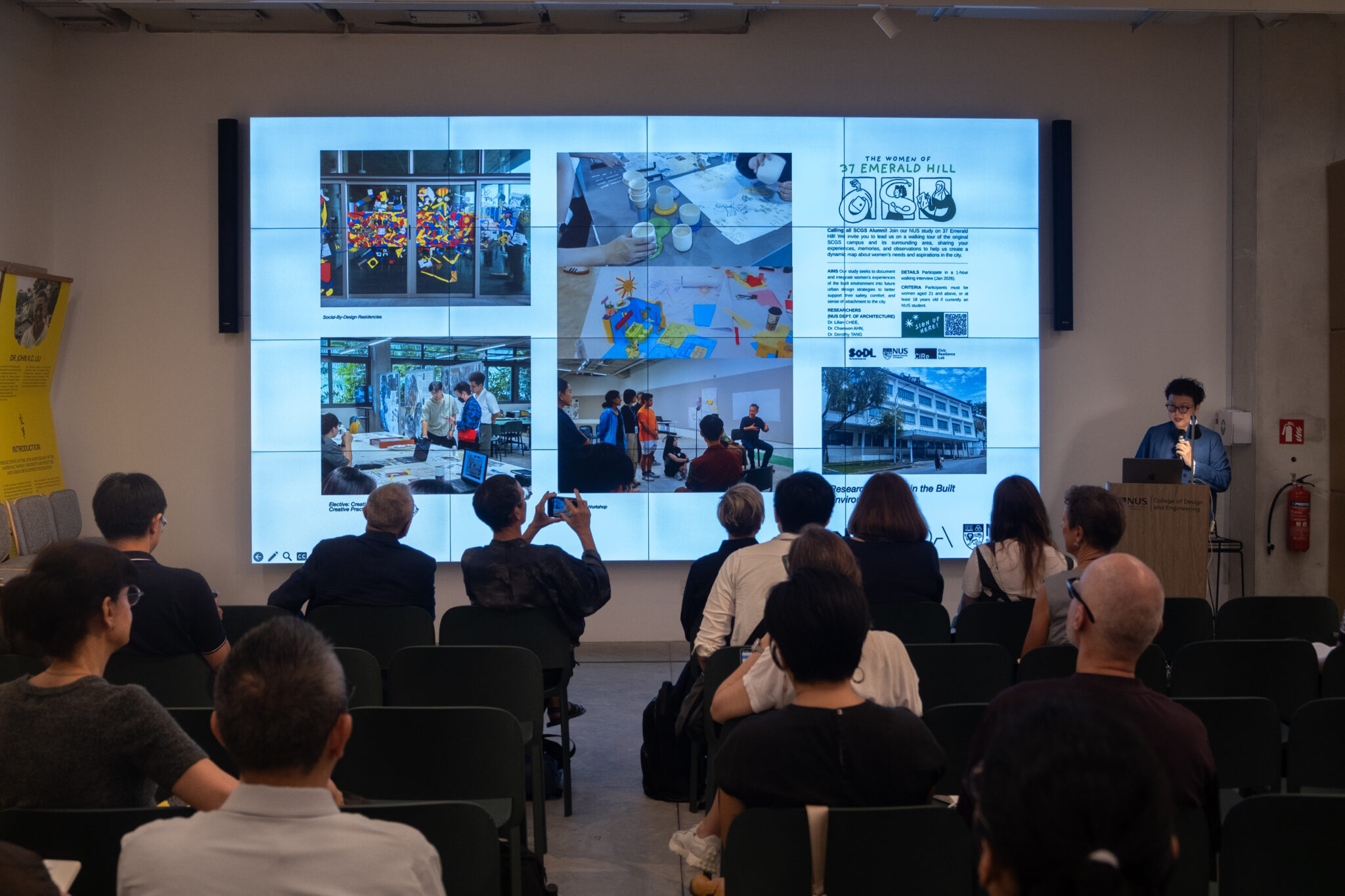
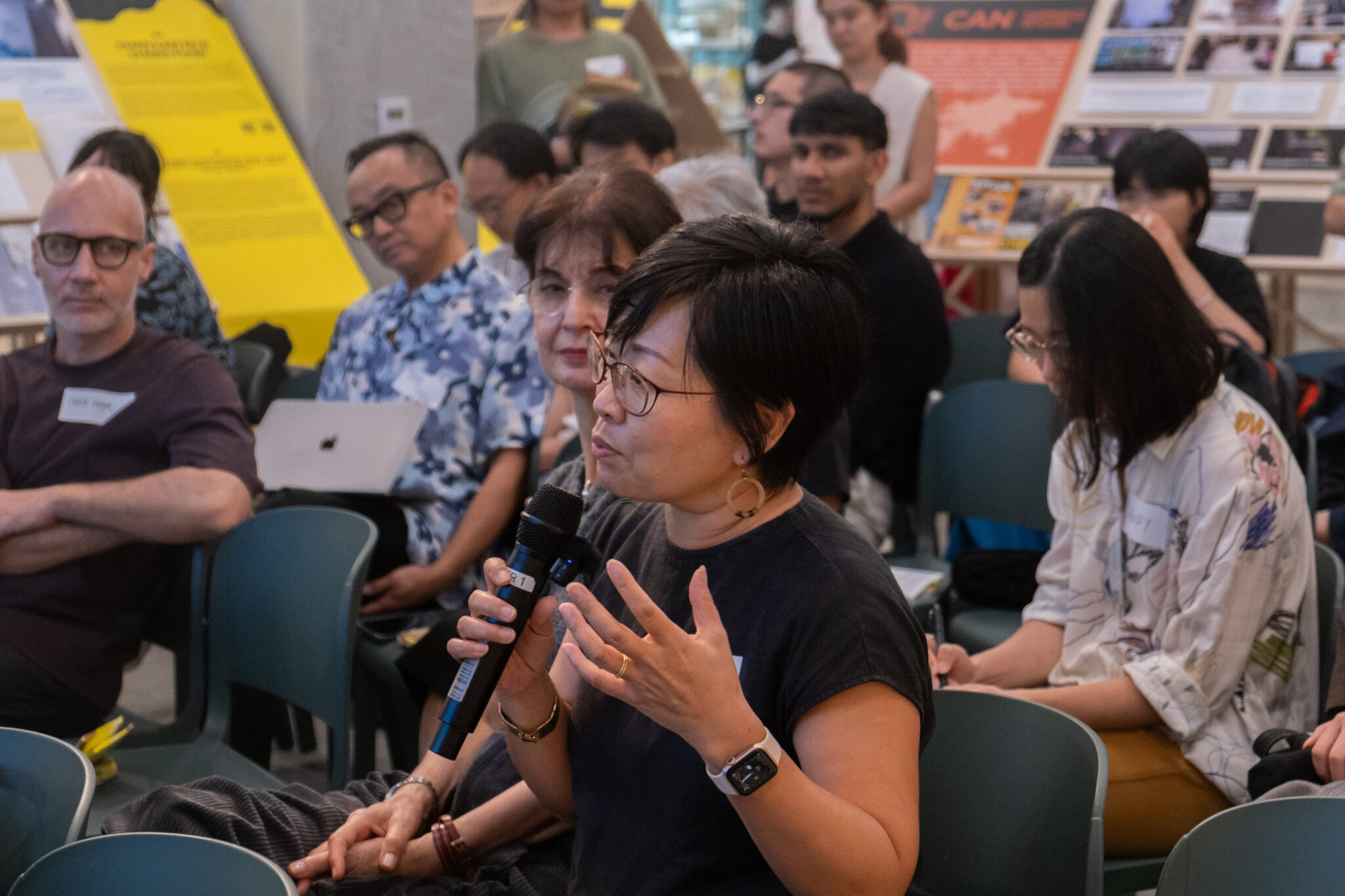
The inaugural Designing the Social conference convened 65 participants from universities, professional practice, community practitioners, and student cohorts, creating an interdisciplinary platform to interrogate what “the social” constitutes within architecture. Hosted by the Social Design Lab at the National University of Singapore, the conference examined how the raw material of social life might be transformed into accessible and actionable design frameworks. Invited international speakers delineated and debated how “the social” is shaped through multiple, and often contradictory, design practices. These practices involve the cultivation of communities, care and repair infrastructures, organisation of action-based collectives, and the visualisation of such practices through documentation and display. We asked how architecture, design and social practices can collectively manifest new forms of sociality.
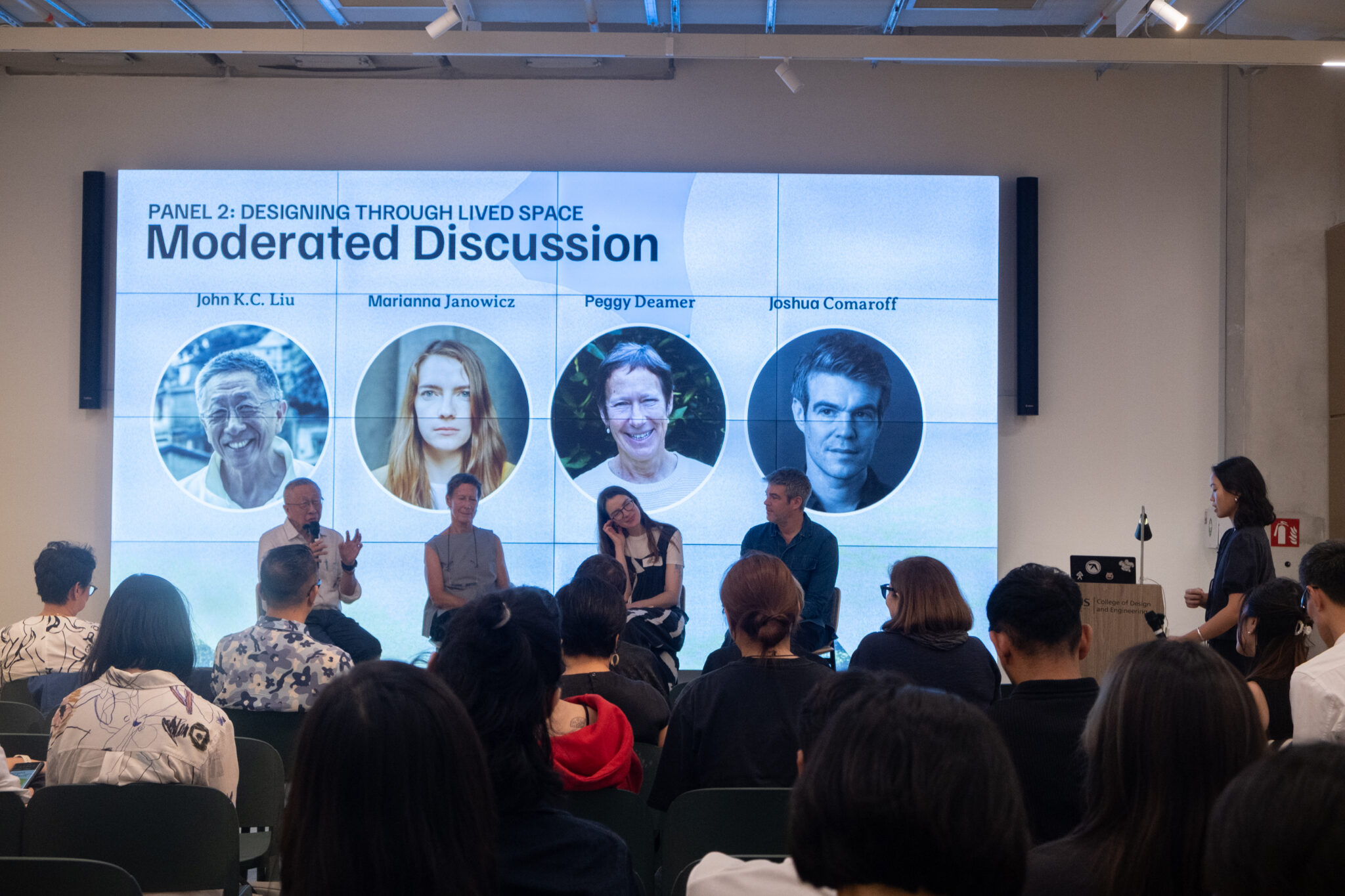
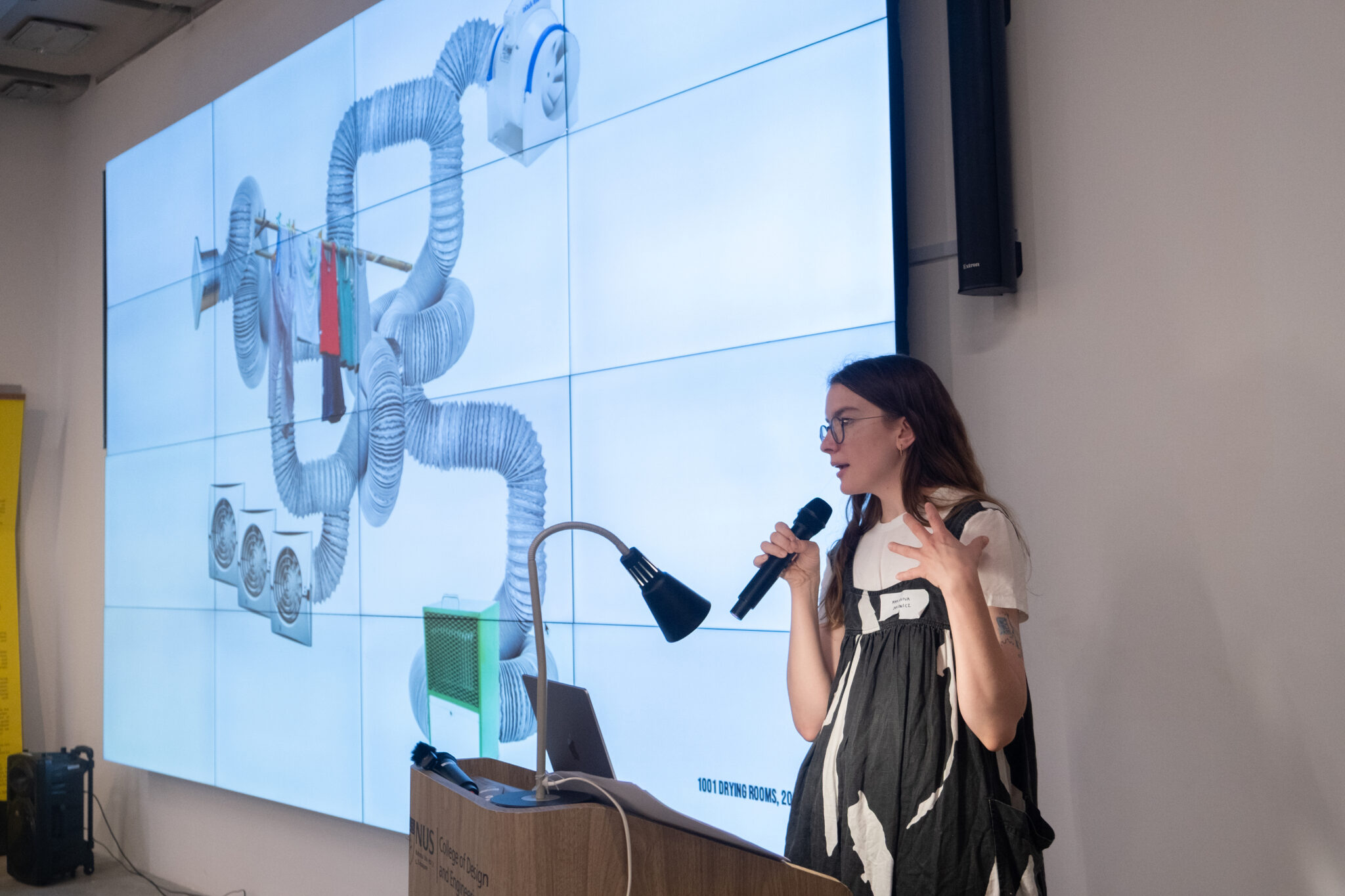
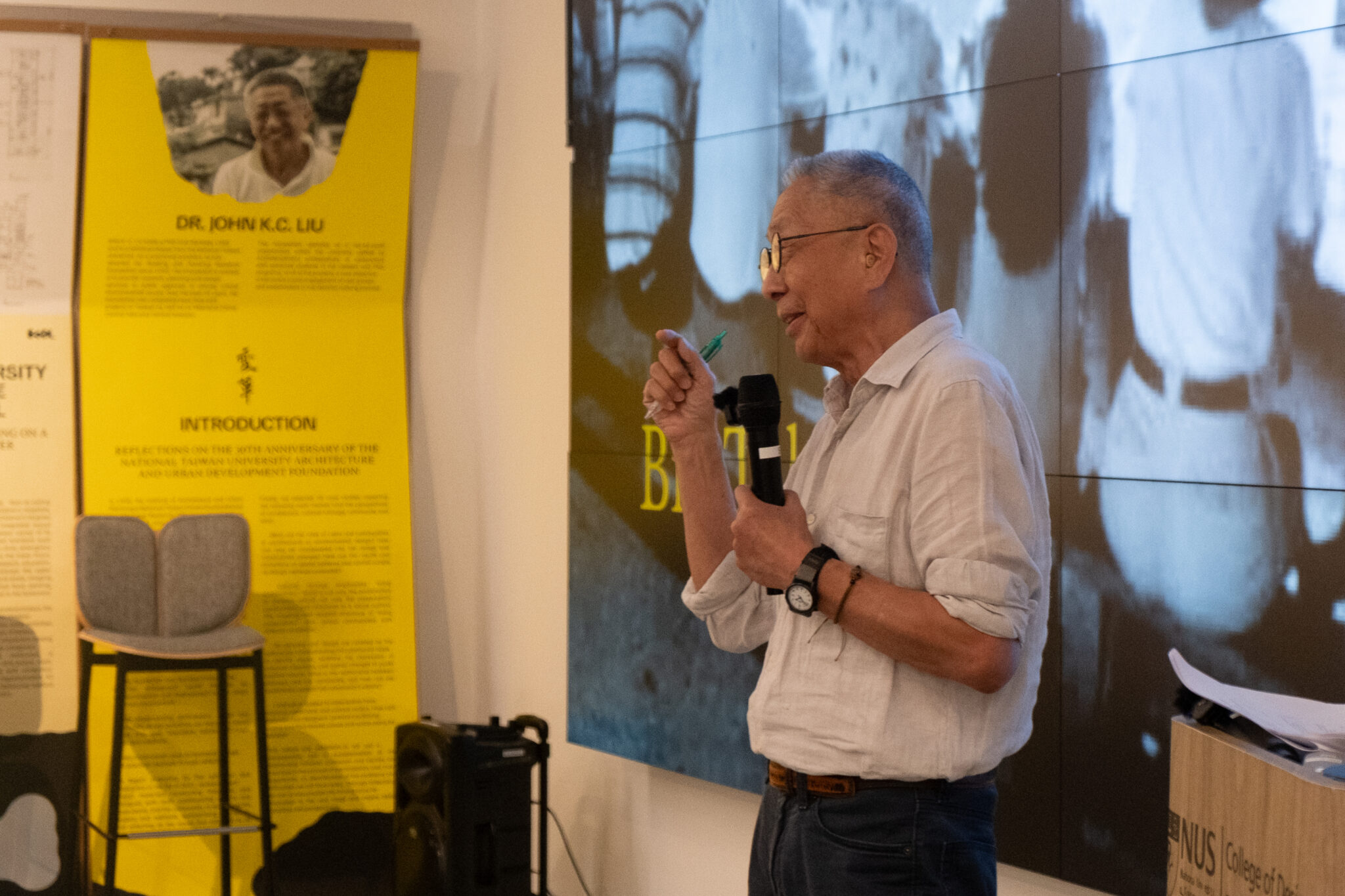
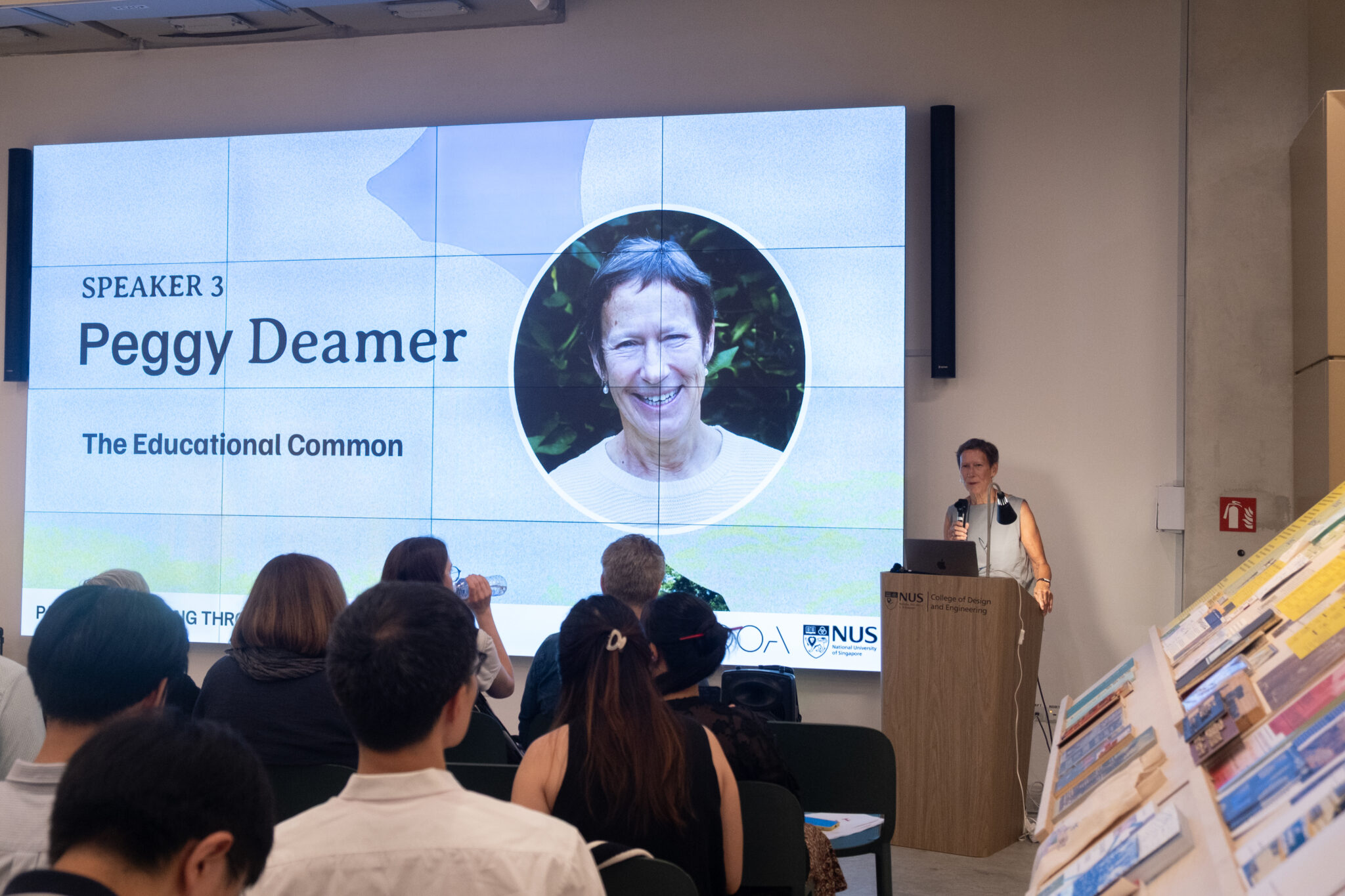
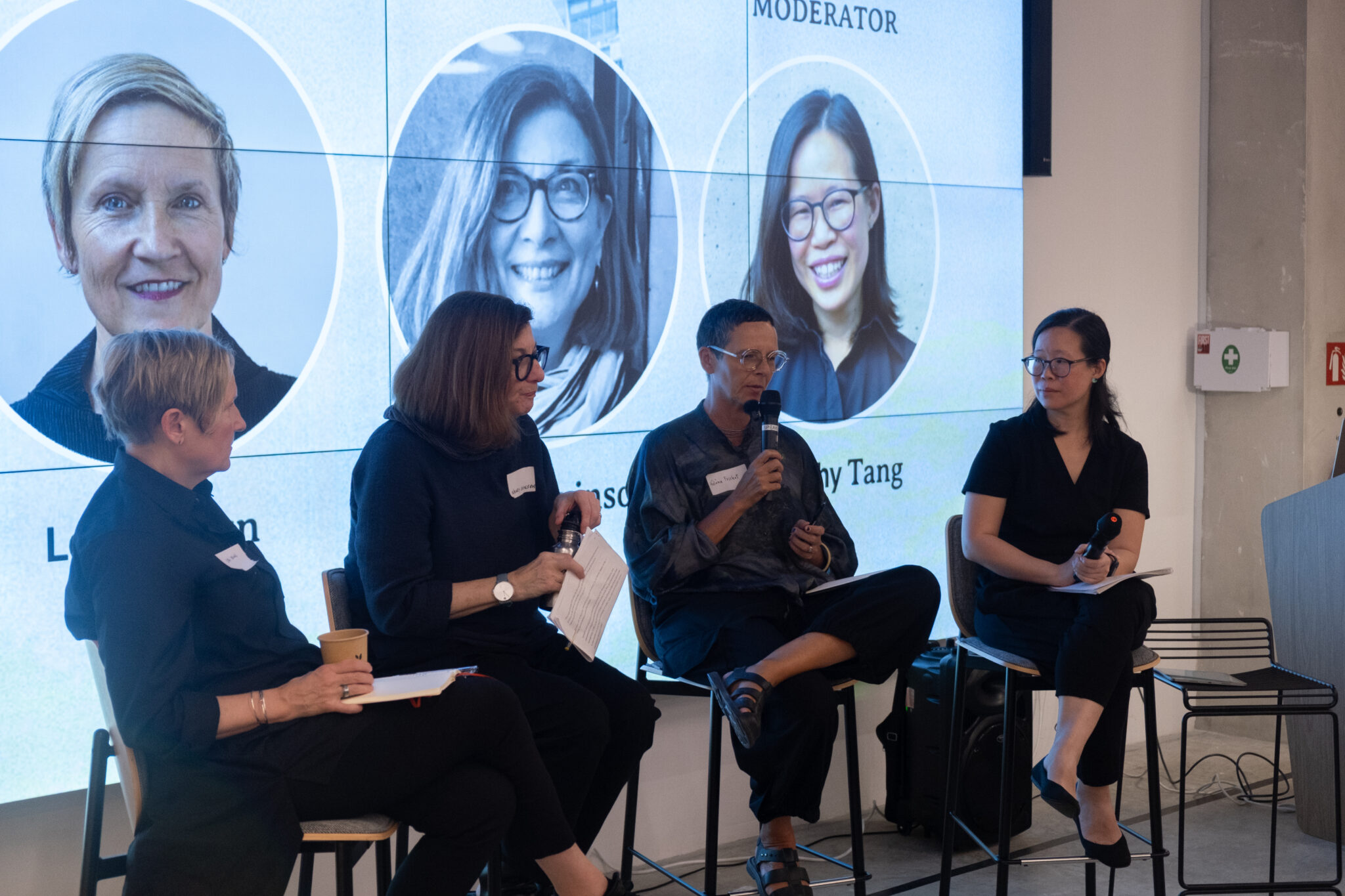
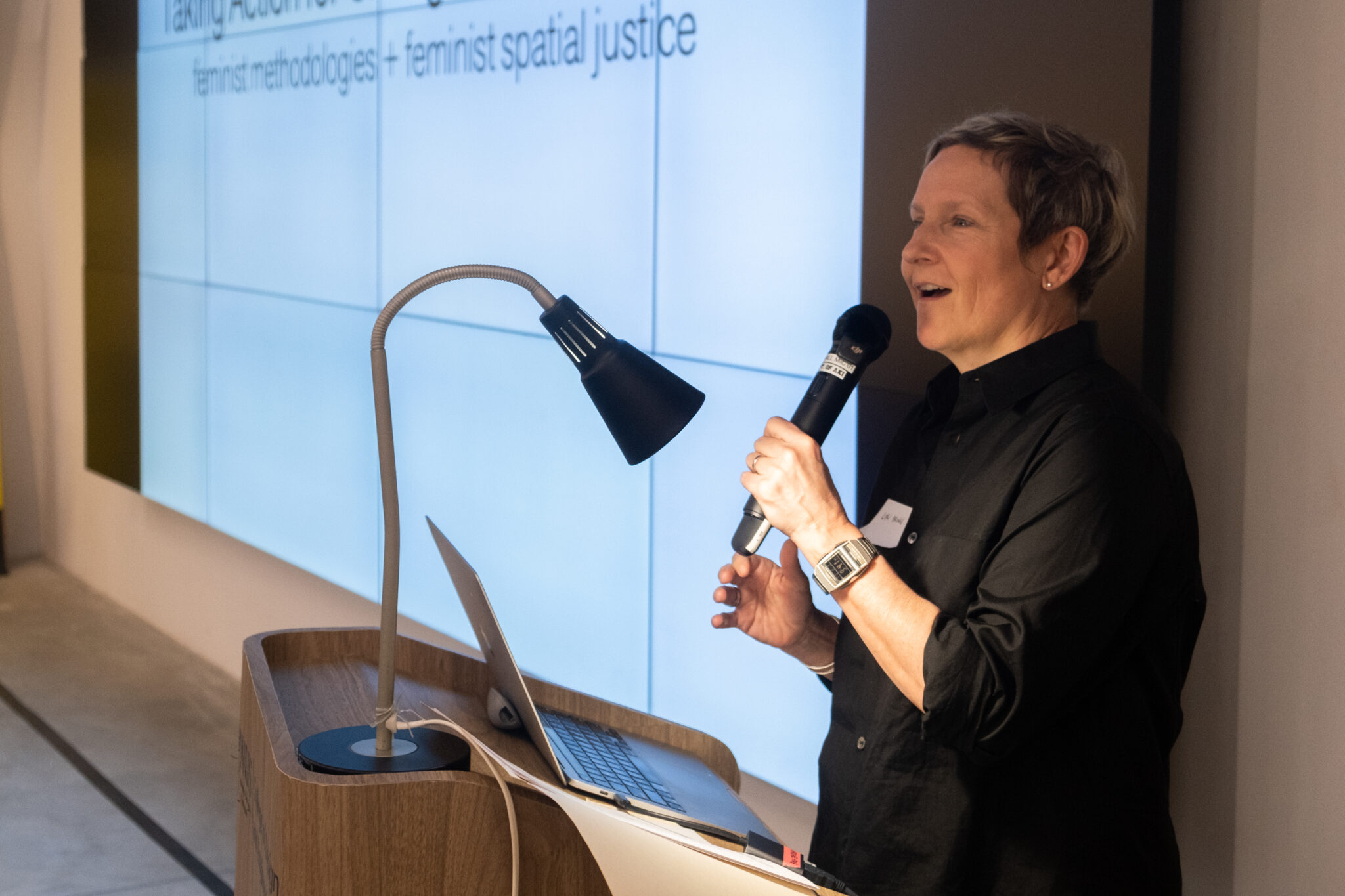
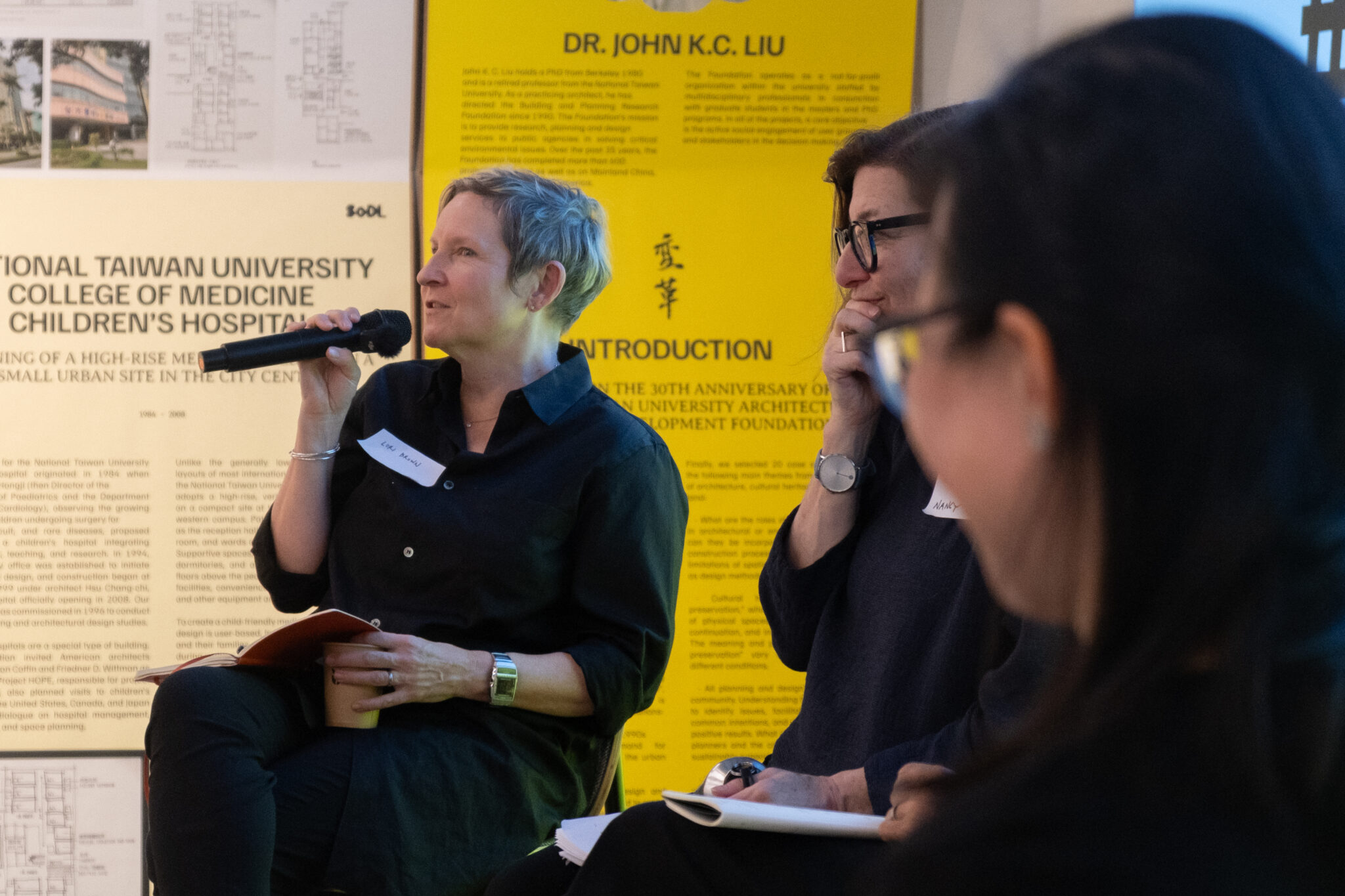
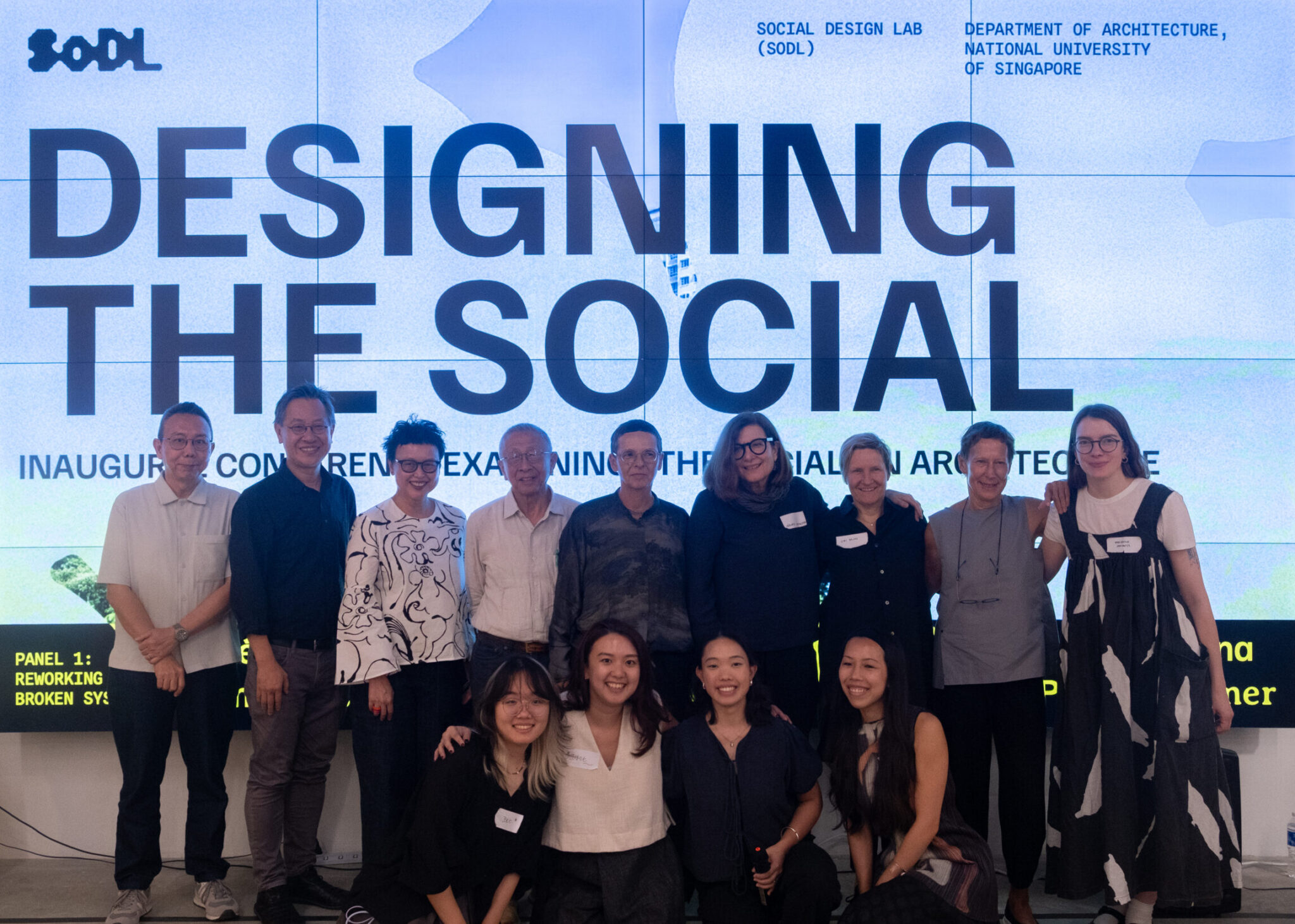
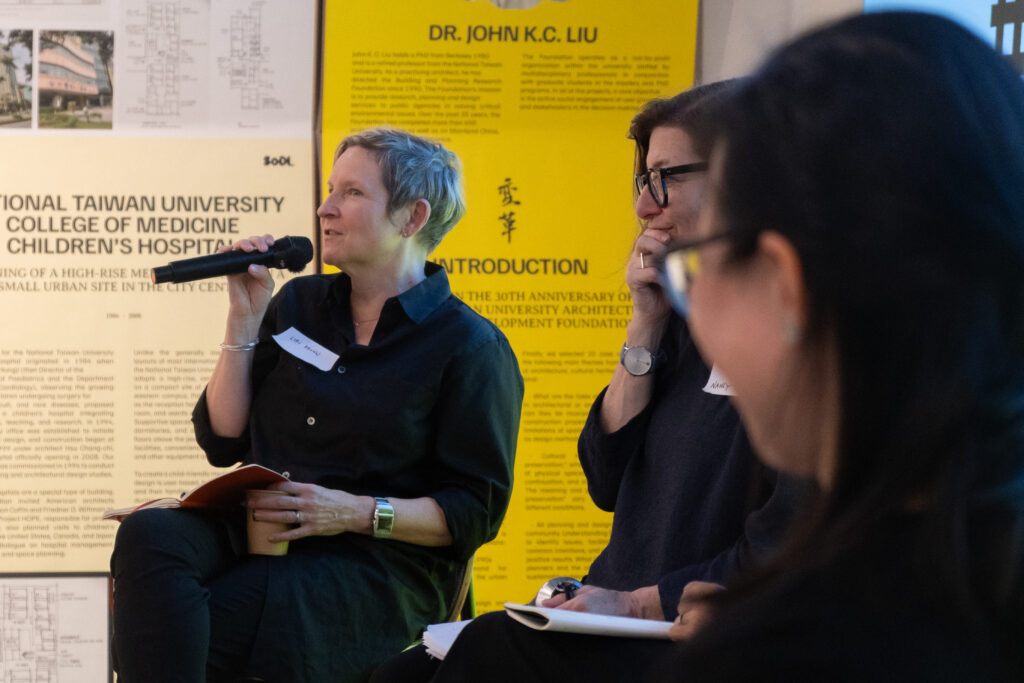
The programme featured internationally recognised scholars and practitioners whose work spans feminist spatial justice, political ecology, labour theory, community design, and socially engaged practice. The conference opened with an address by Lilian Chee and closed with reflections by Jeff Hou, grounding the day in questions of care, repair, and spatial agency. Panel 1, Reworking Broken Systems, included Hélène Frichot, Lori Brown, and Nancy Levinson, who addressed planetary expressionism, feminist methodologies, and repair as social design. Panel 2, Designing Through Lived Space, brought together John K. C. Liu, Marianna Janowicz, and Peggy Deamer, foregrounding community design, inclusive practice, and labour organisation in architecture. The discussions were moderated by Dorothy Tang and Joshua Comaroff, facilitating sustained exchange across perspectives.
Across presentations and dialogue, the conference explored how architecture participates in cultivating communities, building care and repair infrastructures, organising collectives, and documenting these practices. By foregrounding diverse epistemologies and global expertise, Designing the Social strengthened international networks while identifying future directions for research, pedagogy, and practice oriented toward more inclusive and relational socio-spatial futures.
Conference Programme
Opening Address
Associate Professor Lilian Chee
Towards an Architecture of Interdependence
Panel 1: Reworking Broken Systems
Speakers
- Professor Hélène Frichot
Lessons in Planetary Expressionism and Social Becoming - Professor Lori Brown
Taking Action for Change:
Feminist Methodologies and Feminist Spatial Justice - Nancy Levinson
Repair as Social Design
Discussion and Q&A
Professor Hélène Frichot, Professor Lori Brown and Nancy Levinson;
Moderated by Assistant Professor Dorothy Tang
Panel 2: Designing Through Lived Space
Speakers
- Dr. John K. C. Liu
Reimagining Community Design - Ar. Marianna Janowicz
Inclusive, public, democratic.
Social Design in the practice of Edit. - Professor Emerita Peggy Deamer
Organizing/Work
Discussion and Q&A
Dr. John K. C. Liu, Ar. Marianna Janowicz and Professor Emerita Peggy Deamer;
Moderated by Assistant Professor Joshua Comaroff
CLOSING ADDRESS
Professor Jeffrey Hou
Designing the Social