Speaker Lineup :
Hélène Frichot;
Jeff Hou;
John K. C. Liu;
Lilian Chee;
Lori Brown;
Marianna Janowicz;
Nancy Levinson;
Peggy Deamer
MODERATORS
Dorothy Tang;
Joshua Comaroff
CONFERENCE TEAM
Lilian Chee, Conference Chair;
Joelle Hung, Rachel Fong,
Research Assistants;
Jamie Loh, Student Associate
“Social Design is inherently messy. It resists tidy frameworks, requires patience with ambiguity, and thrives on the unpredictable dynamics of more-than-human relationships. It is precisely in this messiness that genuine creativity, adaptability and transformation can emerge.” – Assoc Prof Lilian Chee

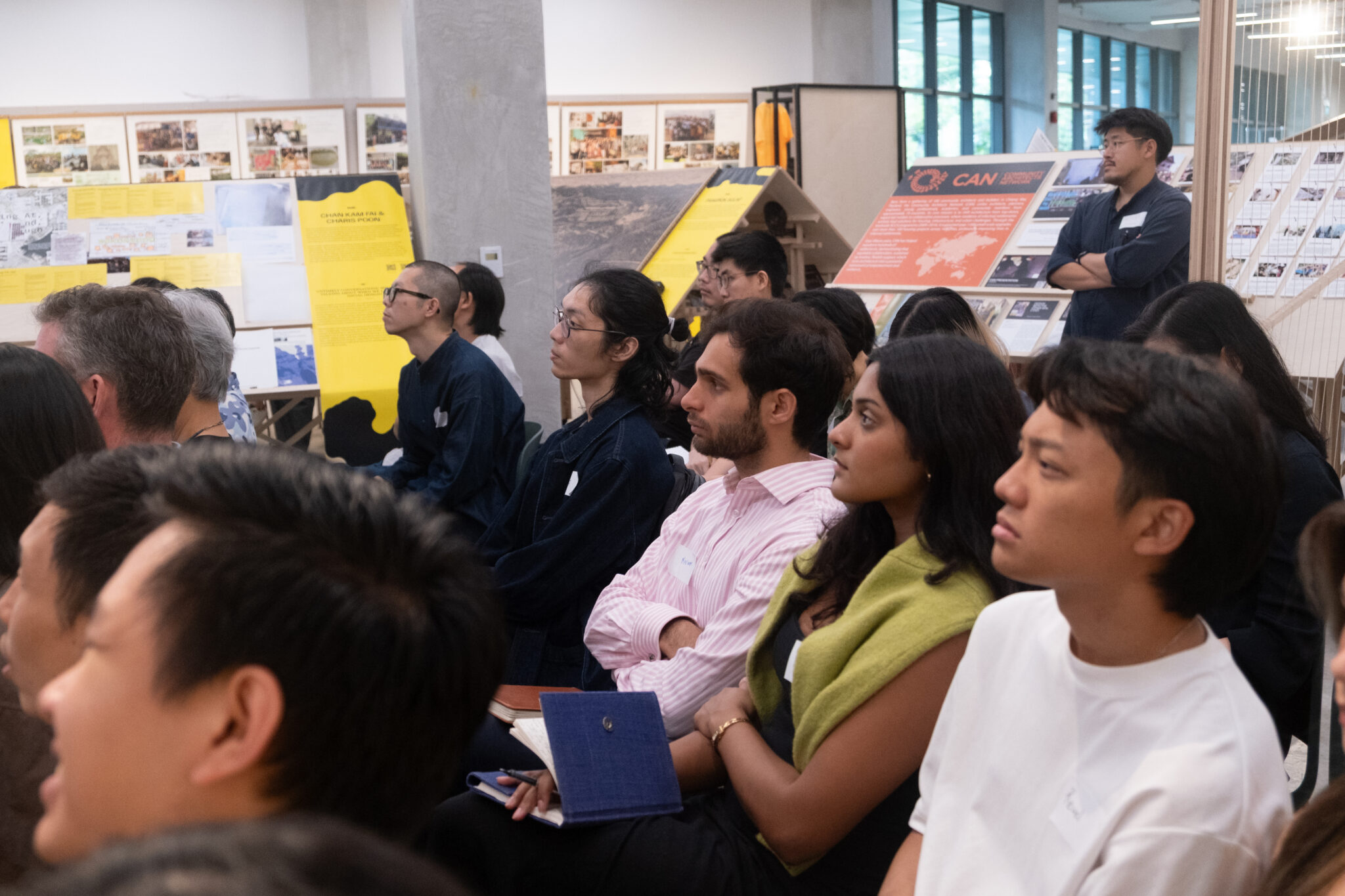
The Designing the Social Conference featured internationally recognised scholars and practitioners whose work spans feminist spatial justice, political ecology, labour theory, community design, and socially engaged practice.
In her opening address, Dr. Lilian Chee traced a trajectory for social design that moves away from a fixation on the “singular, heroic object” toward an understanding of architecture as a relational, negotiated, and socially embedded process. Drawing on feminist genealogies of design, spatial agency, and contemporary ethics of care, she argued that social design is defined by an openness to multiple ways of acting and knowing. This perspective challenges traditional hierarchies embedded in the profession, de-centering the architect as sole author and instead positions them as a facilitator working alongside “citizen experts”.
The Conference also brought together an esteemed lineup of international scholars and practitioners who led two pivotal thematic sessions. The first panel, “Reworking Broken Systems”, featured architectural theorist Prof. Helene Frichot from the University of Melbourne, who delved into “planetary expressionism”, where creative practice becomes an act of maintenance and repair for a planet under duress. She was joined by Prof. Lori Brown of Syracuse University, who detailed how feminist methodologies and advocacy for reproductive healthcare require architects to be politically engaged. Ms. Nancy Levinson, editor-in-chief of Places Journal, further expanded on the paradigm shift from building to repairing, conceptualising repair not just as a physical endeavour, but a politics that can achieve large-scale social and environmental change.
The second panel, “Designing through Lived Space”, shifted the focus from theory toward ground-up engagement. Dr John K.C. Liu from the National Taiwan University demonstrated, through decades of community design projects, that true intelligence resides within community storytelling and collective action. Ar. Marianna Janowicz of Edit Collective interrogated sites of reproductive labour through various projects, ranging from a communal vacuum cleaner to a comprehensive study of urban laundry practices. Finally, Prof. Peggy Deamer, visiting from Yale University, argued that radical change must begin in the educational “common”, through a pedagogy that looks beyond capitalism to produce a new “architectural citizen”.
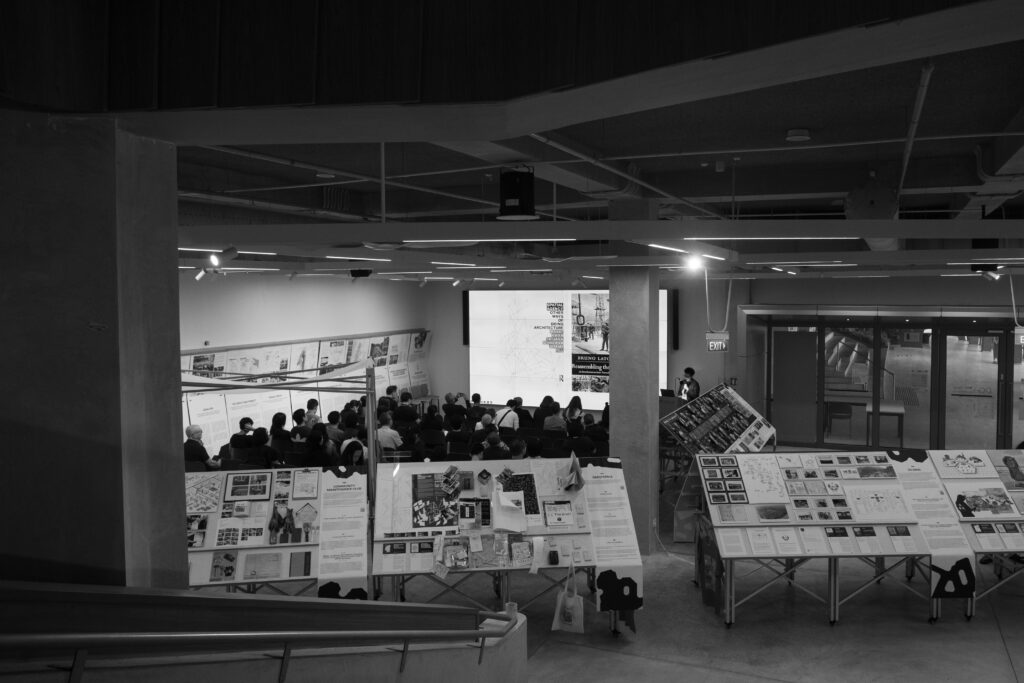
Conference Speakers
- Professor Hélène Frichot, University of Melbourne. A philosopher and architectural theorist renowned for her pioneering work on feminist spatial practices and the ecological dimensions of design.
- Professor Lori Brown, Syracuse University. A professor and architect whose research explores the intersections of architecture, social justice, and the political dimensions of reproductive space.
- Ms. Nancy Levinson, Editor-in-Chief of Places Journal. Her work as a writer and editor emphasises the critical importance of public scholarship and the ethics of repair within our built environment.
- Dr John K. C. Liu, National Taiwan University. A pioneer of community and participatory design, his work focuses on methods of collaboration in multi-disciplinary and multi-cultural settings.
- Ar. Marianna Janowicz, Edit Collective. An architect and lecturer whose practice focuses on how domestic and urban spaces can be reimagined to support social equity.
- Professor Emerita Peggy Deamer, Yale University. Founding member of The Architecture Lobby, renowned for her advocacy regarding the political economy of design and the rights of architectural workers.

A writer, curator, and award-winning educator, creative practitioner and researcher, she is recognised internationally for advancing architectural knowledge through feminist, creative, and socially engaged frameworks. Her career integrates research excellence, acclaimed creative practice, impactful design mentorship, and academic leadership. She serves as Assistant Dean (Outreach) at the College of Design and Engineering, Co-Director of the Social Design Lab, and Leader of the Research by Design Cluster. Her research addresses domesticity, affect, gender, and visual culture, with emphasis on social and housing equity, politics of everyday life, and care in the built environment. Notable works include the award-winning film 03-FLATS (2014), Objects for Thriving (2022), and At Home With Work (2025), as well as the monograph Architecture and Affect (Routledge, 2023). She has held prestigious fellowships at FCL-ETH Centre, Heyman Centre Columbia University, and the Bartlett, UCL.
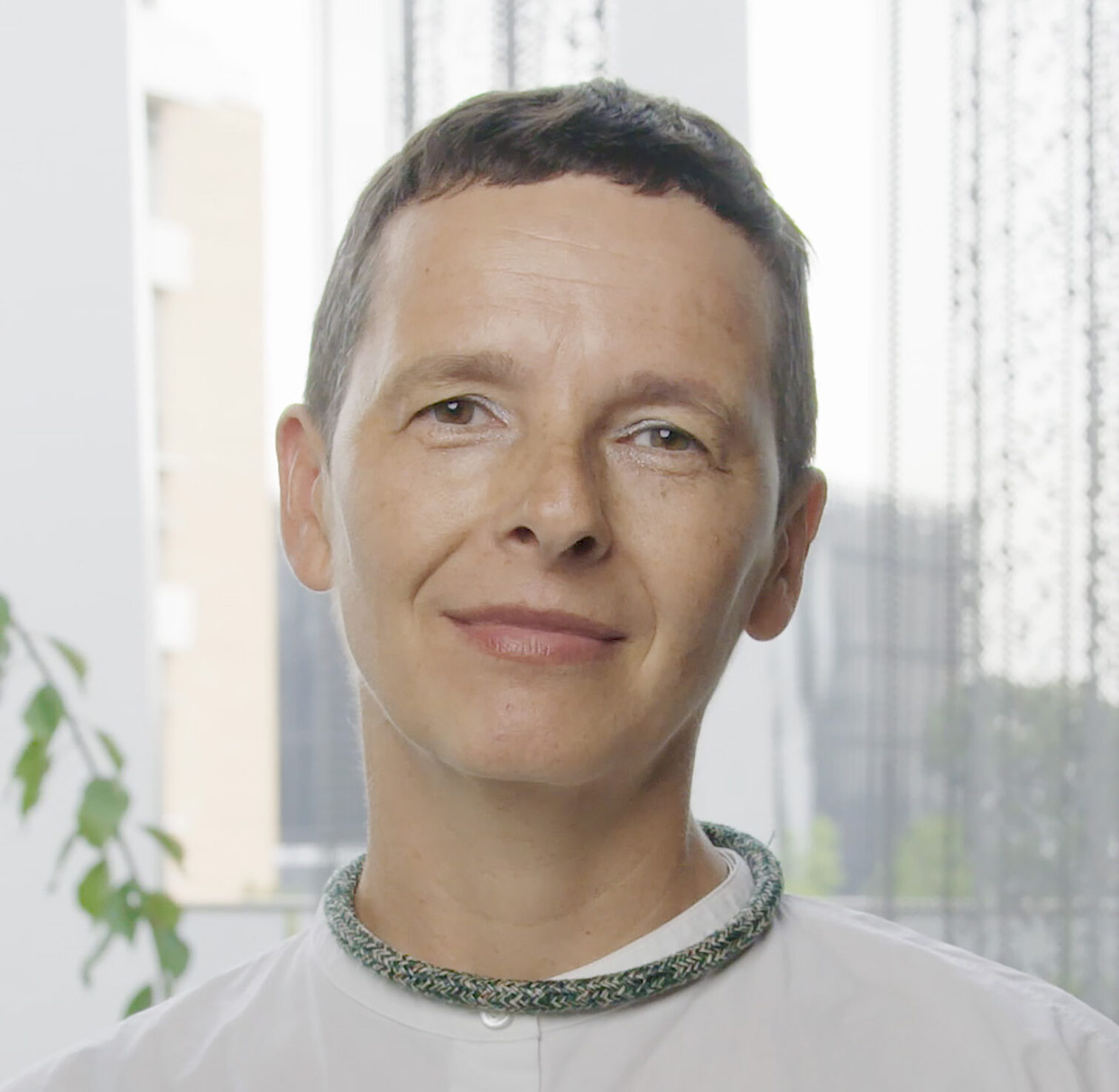
Recent publications include Creative Ecologies (Bloomsbury 2018) and Dirty Theory (AADR 2019) and the co-editing of many anthologies including: Infrastructural Love: Caring for Our Architectural Support Systems (Birkhauser 2022); Architectural Affects After Deleuze and Guattari (Routledge 2021); Ficto-Critical Approaches (Bloomsbury 2020) and special issues of the Journal of Architecture, Jennifer Bloomer: A Revisitation (2024) and Deleuze and Guattari Studies Journal, A Deleuzian Life – A People to Come (2025), celebrating 100 years since Gilles Deleuze’s birth.

She is the co-editor with Dr. Karen Burns of The Bloomsbury Global Encyclopedia of Women in Architecture, 1960-2020, author of Contested Spaces: Abortion Clinics, Women’s Shelters and Hospitals, and editor of Feminist Practices: Interdisciplinary Approaches to Women in Architecture. She co-founded ArchiteXX, a gender equity in architecture organization in New York City. Brown is a Fellow of the American Institute of Architects, a Distinguished Professor at the School of Architecture Syracuse University, and a registered architect in New York state.

Since arriving at Places in 2009, she has led its transition from print to digital and advanced the editorial mission of public scholarship on architecture, landscape, and urbanism. Previously Nancy was founding director of the Phoenix Urban Research Lab at the Design School at Arizona State University, and before that founding co-editor of Harvard Design Magazine at the Harvard Graduate School of Design.

As a practicing architect, he has directed the Building and Planning Research Foundation since 1990. The Foundation’s mission is to provide research, planning and design services to public agencies in solving critical environmental issues. Over the past 35 years, the Foundation has completed more than 600 projects in Taiwan as well as on Mainland China, Central Asia and Central America. The Foundation operates as a not-for-profit organization within the university staffed by multidisciplinary professionals in conjunction with graduate students in the masters and PhD programs. In all of the projects, a core objective is the active social engagement of user groups and stakeholders in the decision making process.
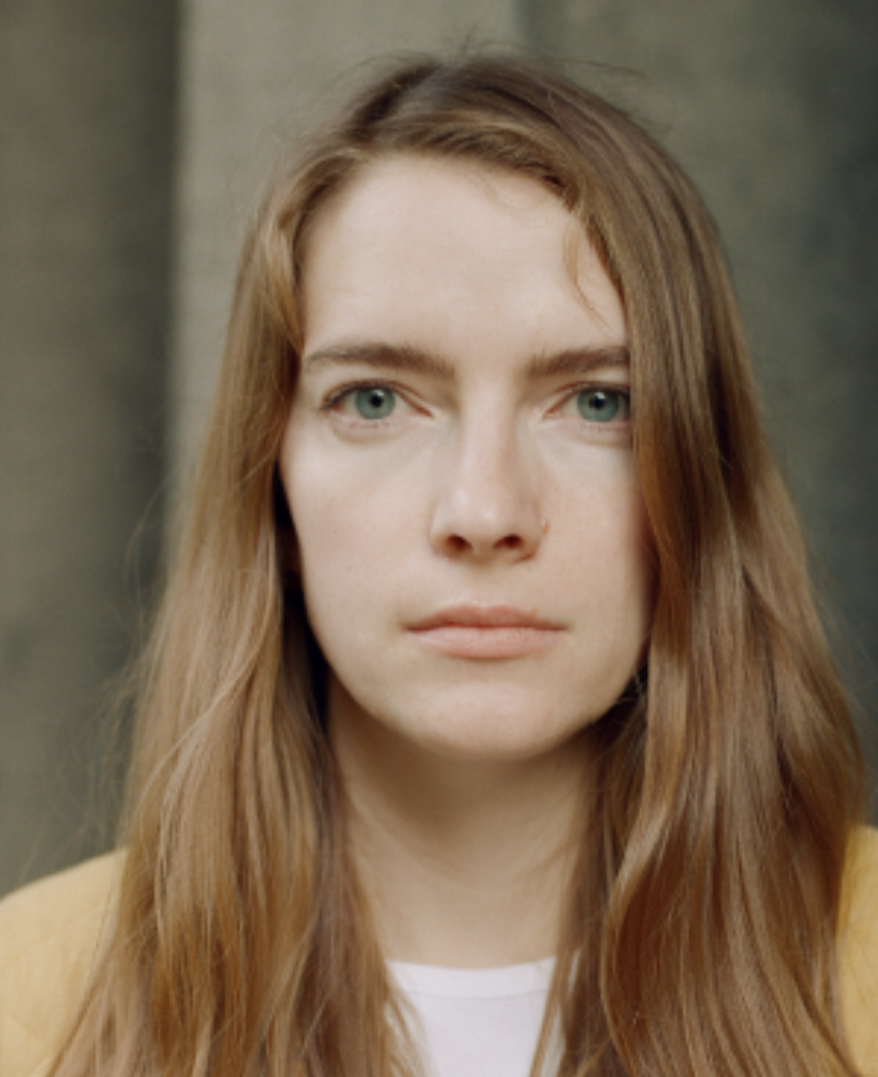
Edit is a feminist architecture collective working on design and research projects. They are interested in the enduring biases and hierarchies embedded in the built environment and we have designed projects spanning from objects and film to exhibition design and public spaces.
They are architects, project managers, set designers, tutors and researchers and have combined experience across projects of all scales and stages. Their work has been exhibited at the 2019 Oslo Architecture Triennale, MAXXI in Rome, the Design Museum, Akademie der Kunste and during the London Design Festival, among others. Their clients include the Barbican Centre, Science Gallery London, Camden Council, Farrell Centre and People’s Museum Somers Town. Edit was nominated for Manifestos: Architecture for a New Generation, highlighting emerging voices shaping architecture in London, and have recently been featured in the RIBA Journal Future Winners, and Architects’ Journal Architectural Antagonists.

She is a founding member of The Architecture Lobby (TAL), a group advocating for the value of architectural labor. She is the editor of Architecture and Capitalism: 1845 to the Present and The Architect as Worker: Immaterial Labor, the Creative Class, and the Politics of Design and the author of Architecture and Labor. Her theory work explores the relationship between subjectivity, design, and labor. She received the Architectural Record 2018 Women in Architecture Activist Award and the 2021 John Q. Hejduk Award.
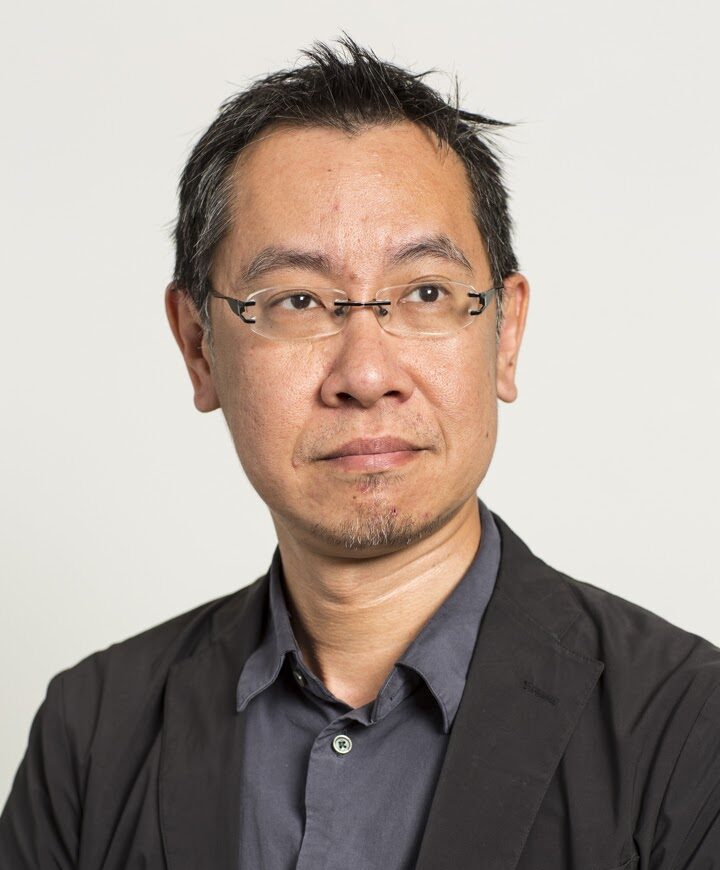
A pioneer in bottom-up placemaking and civic engagement, Hou’s published work includes Insurgent Public Space: Guerrilla Urbanism and the Remaking of Contemporary Cities (2010), Transcultural Cities: Border-Crossing and Placemaking (2013), Design as Democracy: Techniques for Collective Creativity (2017), and Emerging Civic Urbanisms in Asia (2022). His collaborative publications received the EDRA Places Book Award in 2010, 2012, and 2018.
Career recognitions include elevation to the Council of Fellows of the American Society of Landscape Architects (2023), CELA Outstanding Educator Award (2023), and Community Builder Award (2012) from Seattle’s Chinatown International District from the Organization of Chinese Americans Greater Seattle Chapter in appreciation for a lifelong contribution to the Chinese American and Asian American community and its heritage.
Hou received his Ph.D. in Environmental Planning and M Arch from the University of California, Berkeley, MLA from the University of Pennsylvania, and B Arch from the Cooper Union. He was the City of Vienna Visiting Professor at TU Wien (2013), a Fulbright Scholar in Taiwan (2015), a Landscape Architecture Foundation Fellow for Innovation and Leadership (2020), and a Visiting Professor at Awaji Landscape Planning and Horticulture Academy, Chiba University, National Taiwan University, Portland State University, and University of Southern Florida.
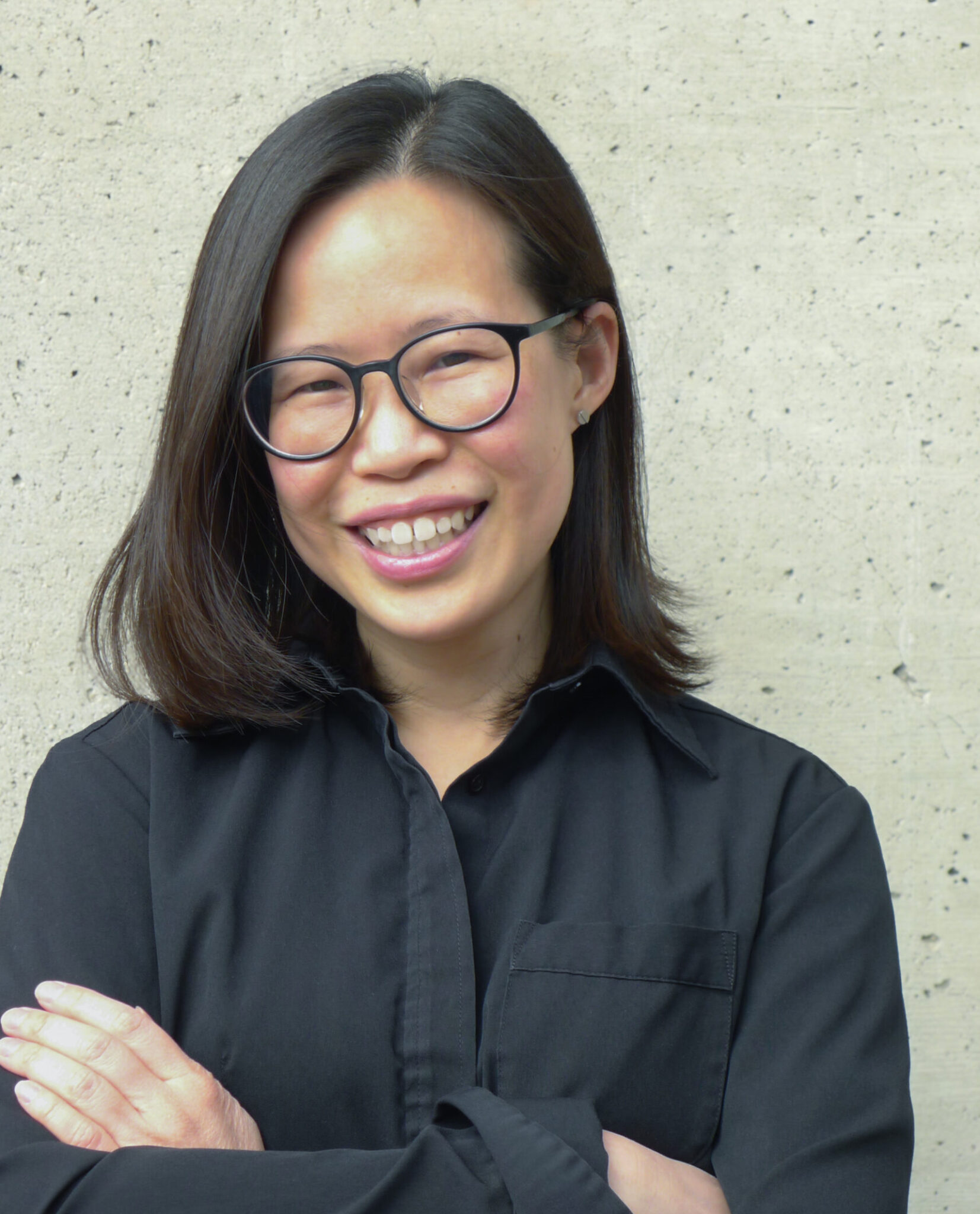
Her work is concerned with the intersections of infrastructure and everyday life, especially in communities confronting large-scale environmental change. Her current research explores the histories of water, infrastructure, and urbanization in East Asia, the infrastructural landscapes of foreign investments in Southeast Asia and Africa, and the geopolitics of transnational watershed management. Dorothy is an award-winning educator and was formerly the programme director of the Master of Landscape Architecture programme at NUS from 2022-2024. Prior to joining NUS, she was an assistant professor of landscape architecture at the University of Hong Kong where she also directed the undergraduate programme. She has published widely on the relationship between infrastructure development, resource extraction, and urbanization processes in various book volumes and journals. Her design work and research has been exhibited internationally, including the Venice Biennale and the Shenzhen-Hong Kong Bicity Biennale of Urbanism/Architecture.
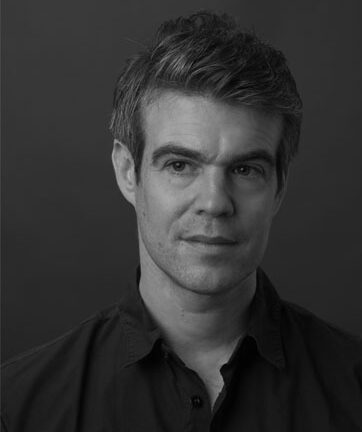
Joshua has published writing about architecture, urbanism, religion, and politics, with an Asian focus. In particular, his research focuses upon the effect of material and immaterial practices in the experience of the city, and the affective potentials of architecture. He is the author of Spectropolis: The Enchantment of Capital in Singapore (University of Minnesota Press, 2025) and with Associate Professor Ong Ker-Shing, co-author of Horror in Architecture (University of Minnesota Press, 2023).
Joshua is a founding design consultant with Lekker Architects, an award-winning practice focused on design innovation and qualitative research methods. The work of the practice has earned a President’s Design Award Design of the Year in 2023 for “Hack Care: Tips and Tricks for a Dementia-Friendly Home” and again in 2016 for “Caterpillar’s Cove Childcare and Development Centre.” He was also awarded the Wheelwright Fellowship in 2005-2006.