WRITINGS
& Practices
Writings and Practices by the Social Design Lab is a digital repository of the discourse, research, and reflections that the Lab is engaged in. We believe that social design is as much about the conversation as it is about the output. Browse this section for a variety of written pieces, including Articles, Essays, Student Writing, and Interviews.
BROWSE BY
Interview
Article
Essay
Student Writing
SORT BY A—Z CLEAR
Article
Orang Seletar’s Perspectives of the Tambrau Strait by Shijie
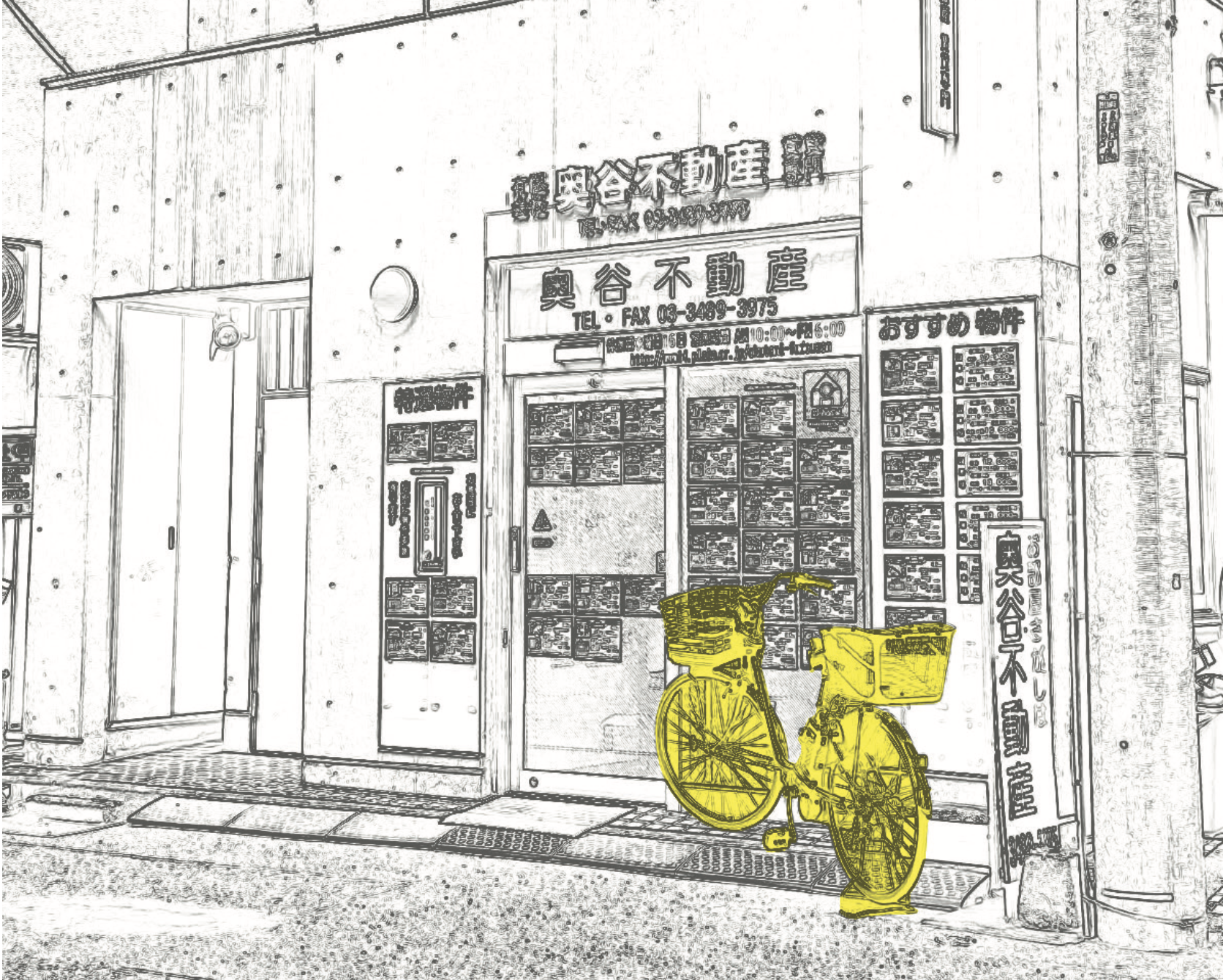
Orang Seletar’s Perspectives of the Tambrau Strait: A Field Guide to designing for the living Strait through their Objects and Practices
READ MORE
READ FULL PIECE
Student Writing
Reflection on Social Design by Shijie
“Social design” in this project begins with recognising that there are alternative and situated ways of perceiving the sea, particularly, the Tambrau Strait (Indigenous name for Tebrau Strait). It calls for an understanding of the Strait not merely as a border or a frontier for capitalistic speculation, but as a living space inhabited and cared for by the Orang Seletar, who perceive its natural environments in relational continuity with their culture and livelihoods. To design for a living Tambrau Strait, therefore, means to include these fundamental values when designing for their worldviews.
READ MORE
READ FULL PIECE
Article
Towards a Kinder City by Lo Heymans
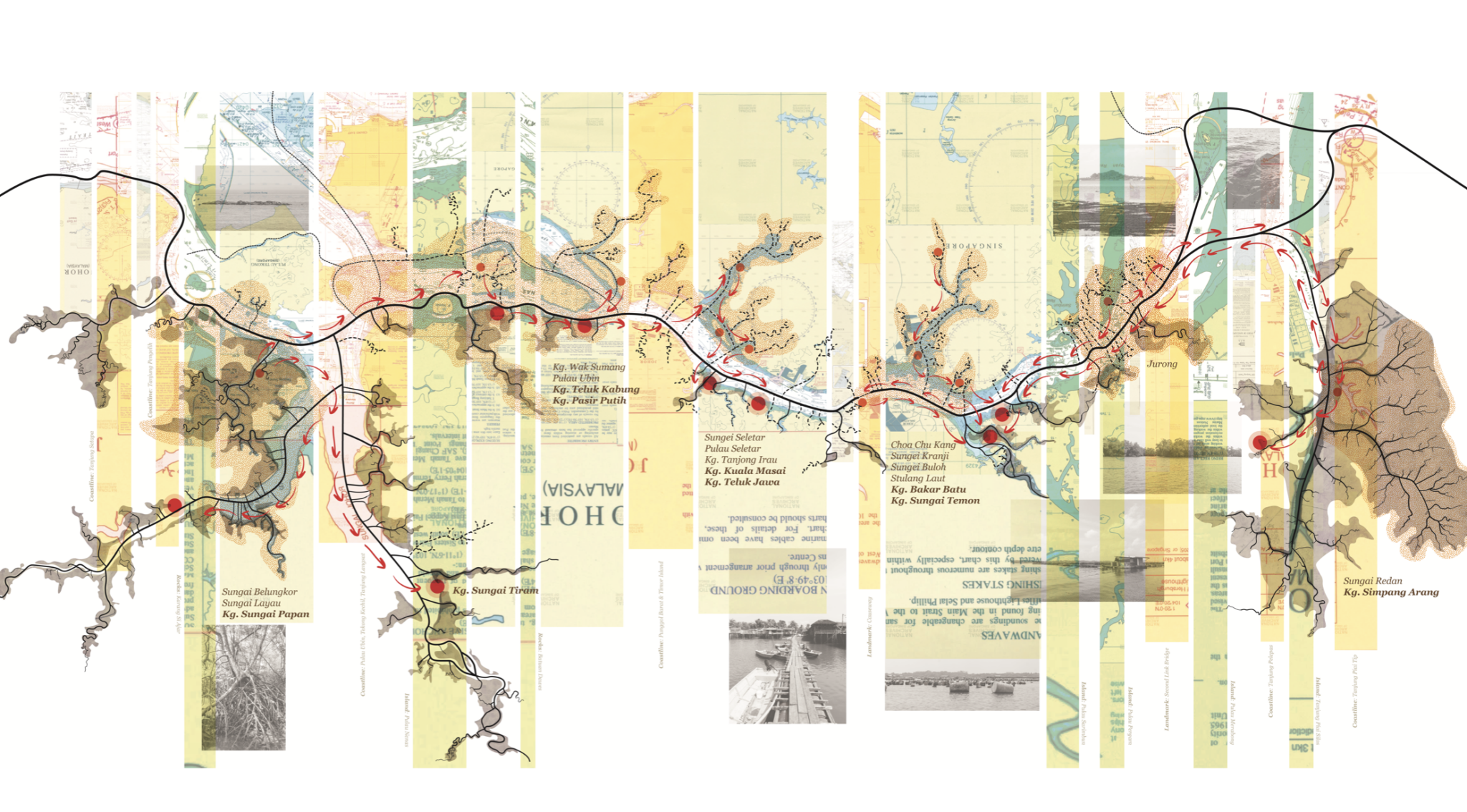
The project explores everyday objects within the Japanese urban context - trees, baskets, benches, and bicycles, forming a network of negotiations between people and the city. It repositions the role of the designer from constructing permanent spaces to recognising the acts of temporary arrangements and adaptations by inhabitants, where space is shared through care, tolerance, and adaptability. Through sub-biological and sub-social observations, the project focuses on how human and non-human agencies continuously interact and shape one another, for instance, how trees provide rest and shade, how baskets extend businesses into the street, and how bicycles choreograph movement. These configurations are never fixed; instead, they adjust, adapt, and weave into the rhythm of daily inhabitation, representing the city’s character through the evolving relationships between human and non-human agencies. Methodologically, the project begins with on-site studies and photographic mapping of small urban gestures, object usages, and spatial arrangements, followed by drawing and diagramming to trace their spatial logic and social interactions. These visual analyses are then translated into a Toolkit of Everyday Negotiations - a series of object studies and scenarios that illustrate how kindness and coexistence are practiced spatially. By recognising the city as a parliament of things, the project argues that design operates not through control, but through recognition, care, and the shared ethics of living together.
Key Words: Negotiation, Recognition, Everyday Object, Sub-Biological, Sub-Social
READ MORE
READ FULL PIECE